
Uncovering the Art and Science of Cereal Milling
In a world increasingly driven by innovation and technology, the humble grain often remains an unsung hero, quietly taking center stage in the age-old craft of milling. Beyond the rhythmic whirrs of machinery and the earthy aroma of freshly ground flour lies a fascinating interplay of art and science that transforms raw cereals into the essential ingredients of our daily bread. From the ancient stone mills of yore to today’s high-tech milling facilities, the process of cereal milling is a delicate balance of tradition and modernity, precision and creativity. As we delve into the intricate layers of this age-old practice, we uncover not only the techniques that define successful milling but also the stories of those who dedicate their craft to perfecting this vital link in the food chain. Join us as we explore the nuances of cereal milling, celebrating the craftsmanship behind the curtain and the science that ensures quality in every grain.
Exploring the Historical Roots of Cereal Milling Techniques
As we delve into the evolution of cereal milling, it is crucial to recognize the fundamental techniques that have shaped this craft over centuries. The earliest records suggest that primitive milling began with simple stone tools, where grains were crushed by hand or with rudimentary implements. This method, known as pounding, gradually evolved into grinding, where stones of varying sizes and shapes were used to produce a more refined product. Cultures across the globe, from the ancient Egyptians who harnessed the power of the Nile to the native tribes of the Americas employing mortar and pestle, contributed to the richness of milling practices.
Advancements in technology have played an equally significant role in this progression. The introduction of the watermill during the Middle Ages marked a turning point, as it mechanized the grinding process, significantly increasing productivity. With the subsequent rise of the windmill, milling spread rapidly across Europe, transforming local economies and fueling the growth of towns. By the 19th century, the industrial revolution brought forth steam-powered mills which further revolutionized grain processing. The development of roller milling established a new standard, allowing millers to produce finer flours with improved consistency and shelf life.
| Era | Milling Technique | Key Features |
|---|---|---|
| Ancient Period | Pounding | Manual, labor-intensive process using stones |
| Middle Ages | Watermill | Mechanical power, continuous grinding |
| 19th Century | Roller Milling | Refined flour, consistency, and efficiency |
Understanding the Grain: Types and Their Milling Properties
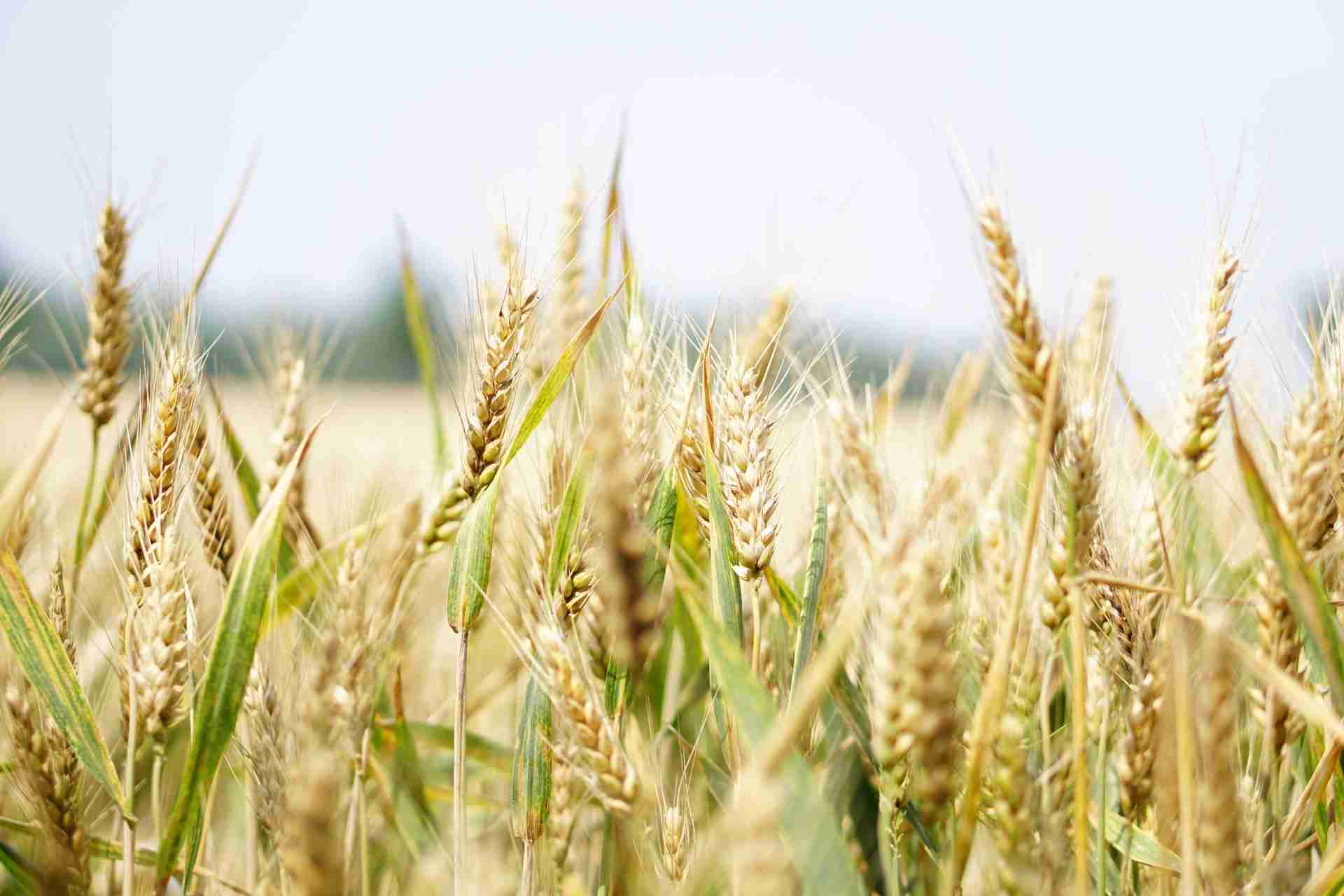
Different grains exhibit unique milling properties that profoundly influence their processing and texture. Understanding these characteristics is essential for optimizing the milling process. For instance, wheat is prized for its gluten content, making it ideal for bread production, while corn’s high starch levels contribute to its use in tortillas and breakfast cereals. Each grain type not only affects the quality of the final product but also dictates the suitable milling techniques, including crushing, grinding, and sifting.
To delve further into this complexity, consider the following factors that define milling suitability:
- Hardness: This determines how much force is needed to mill the grain. Hard grains require more energy.
- Moisture Content: Higher moisture levels can lead to clumping during milling, affecting efficiency.
- Kernel Structure: The outer bran layers vs. inner endosperm differentiate the type of flour produced.
- Protein Content: Vital for applications requiring elasticity, especially in baking.
| Grain Type | Milling Property | Common Uses |
|---|---|---|
| Wheat | High gluten strength | Bread, pastries |
| Corn | High starch content | Tortillas, popcorn |
| Barley | Low protein | Soups, beer |
| Rice | Delicate, low bran content | Steamed dishes, desserts |

Modern Innovations in Milling Technology and Efficiency
As the cereal milling industry evolves, it embraces cutting-edge technologies to enhance efficiency, yield, and quality. One of the most significant innovations is the integration of computerized control systems, which allow millers to monitor and optimize the milling process in real-time. This technology enables precise adjustments in parameters such as moisture content and particle size, resulting in a more consistent flour product. Additionally, automation has led to streamlined operations, with less reliance on manual labor and reduced chances of human error.
Furthermore, sustainable milling practices are gaining traction, with a focus on reducing waste and energy consumption. Advanced milling equipment now utilizes energy-efficient motors and recyclable components, significantly lowering the ecological footprint of the milling process. Notably, some mills implement batch-processing techniques that maximize output while minimizing downtime. The table below highlights some modern innovations in milling technology:
| Innovation | Description |
|---|---|
| Computerized Control Systems | Real-time monitoring for optimized milling parameters. |
| Automation | Reduces manual labor and human error. |
| Energy-Efficient Motors | Lower energy consumption for sustainable practices. |
| Batch-Processing Techniques | Maximizes output and minimizes downtime. |

Best Practices for Quality Control in the Milling Process
To ensure the highest quality in the milling process, adherence to best practices is crucial. A systematic approach to quality control not only enhances product consistency but also boosts overall efficiency. Start by implementing a comprehensive sampling strategy that includes consideration of grain moisture levels, particle size distribution, and foreign material detection. Regular testing and analysis should be part of the routine to catch any deviations early, helping maintain strict compliance with industry standards.
Additionally, fostering collaboration between different teams, such as production, quality assurance, and maintenance, is essential for a seamless quality control process. Different perspectives help in identifying potential issues before they escalate. Consider employing automated monitoring systems that can analyze key performance indicators in real-time, thus enabling timely interventions. This proactive approach can include:
- Regular calibration of milling equipment
- Conducting employee training programs
- Employing robust traceability systems
Utilizing these strategies ensures that the final product not only meets but exceeds customer expectations.
Final Thoughts
As we conclude our exploration of cereal milling, we find ourselves at the crossroads of tradition and innovation. The journey from golden grains to the finely milled flour that graces our kitchens is a testament to the delicate balance between art and science. Each stage of the milling process is a harmonious dance of centuries-old techniques interwoven with modern technology, revealing not just a method of production, but a craft that feeds cultures and nourishes communities.
In a world increasingly reliant on automation, the meticulous precision of milling remains a vivid reminder of our agricultural roots. It’s a process steeped in history, yet constantly evolving, adapting to meet the tastes and nutritional needs of a diverse population. As consumers, we can appreciate the intricate tapestry of labor and expertise that brings our favorite cereals and baked goods to life.
So, the next time you pour a bowl of cereal or whip up a batch of bread, take a moment to reflect on the unseen artistry and science that has made it all possible. From the fields to the milling room, and into our homes, the journey of cereal milling is not just about turning grains into products; it’s about connecting us to our food and the stories behind it. Embrace the knowledge, savor the flavors, and acknowledge the craft that continues to feed our bodies and our heritage.




