
Turning Corn into Gold: The Art of Maize Milling Explained
In the heart of countless kitchens and rustic bakeries, there lies a transformation both simple and intricate: the metamorphosis of humble maize into a versatile staple revered across cultures. Known as corn in some corners of the globe, this golden grain has been a source of sustenance for centuries, yet its journey from field to flour is often overlooked. In “Turning Corn into Gold: The Art of Maize Milling Explained,” we delve into the fascinating process that elevates this agricultural gem into a myriad of products ranging from fine flours to coarse grits. With each pass through the mill, raw kernels are reimagined, their potential unlocked to nourish, inspire, and sustain. Join us as we explore the historical roots, modern techniques, and the artisans who skillfully navigate this age-old craft, revealing how maize milling is not just a process, but an art form that continues to enrich our culinary landscape.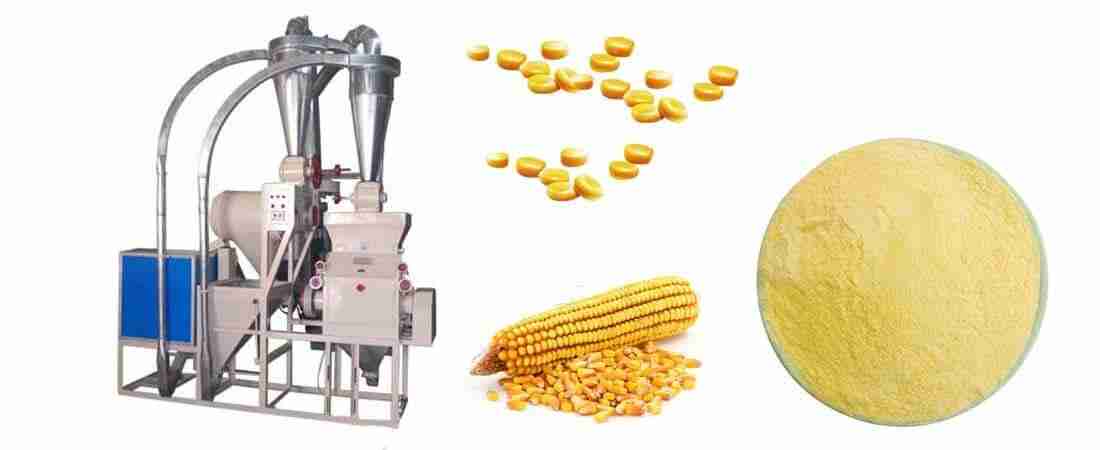
The Journey from Kernel to Powder: Understanding the Maize Milling Process
Transforming maize into a fine flour is a meticulous process that involves multiple stages, each contributing to the overall quality and texture of the final product. The journey begins with the selection of high-quality maize kernels, which are then cleaned to remove impurities and foreign materials. This ensures that only the best kernels enter the milling process. Following this, the kernels undergo conditioning, where they are dampened to facilitate easier milling. The next stage is the actual milling, a process that may involve several steps, including grinding, sifting, and separating. State-of-the-art machines break the kernels into smaller pieces, leading towards the flour consistency that consumers adore.
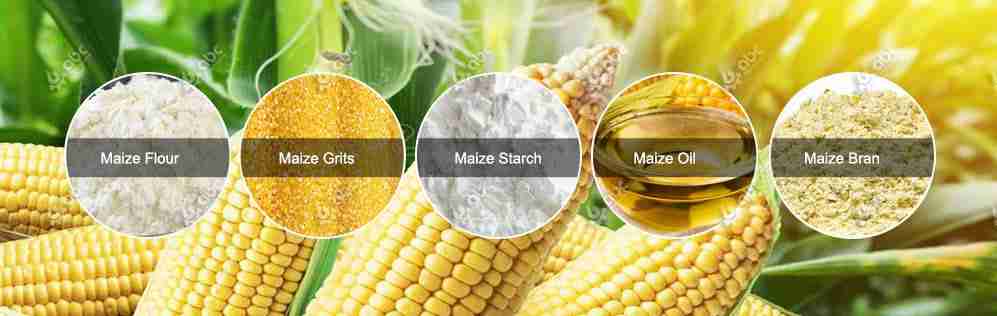
Meanwhile, the resulting flour can be categorized into various types depending on its fineness and intended use. Here’s a brief overview of these flour categories in a simple table format:
| Flour Type | Description |
|---|---|
| Coarse Flour | Ideal for polenta and grits, offers a hearty texture. |
| Fine Flour | Perfect for baking and creating delicate pastries. |
| Maize Starch | Used as a thickening agent, giving smoothness to sauces. |
As the process continues, the flour undergoes quality testing to ensure it meets industry standards. This includes moisture control, particle size analysis, and aflatoxin testing, among other factors. Once the flour passes all tests, it is packaged and distributed, ready to be transformed into everything from tortillas to cornbread, showcasing the versatility of this golden ingredient. This delicate balance of science and art in maize milling not only enhances the kitchen experience but also reflects the rich cultural heritage associated with this staple food.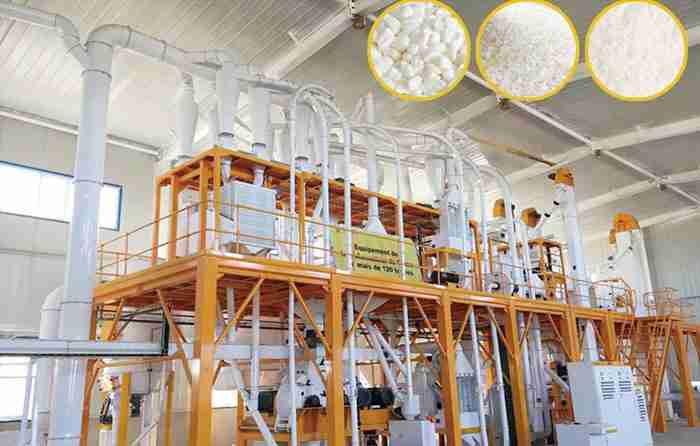
Essential Equipment for Mastering Maize Milling: A Guide to Key Tools
To embark on the journey of maize milling, having the right equipment is crucial in transforming your corn into high-quality flour or meal. A robust milling machine serves as the heart of this process, allowing you to crush, grind, and refine maize grains efficiently. In addition, sifters separate the fine particles from larger ones, ensuring a consistent texture. Don’t overlook the importance of bin storage for keeping your milled products fresh and preventing contamination. Lastly, consider investing in grain scales to measure batches accurately, which will help maintain quality control in your milling operations.
Beyond the essential machinery, additional tools can significantly enhance your milling setup. Moisture meters are indispensable for assessing the moisture content of your maize, a critical factor affecting milling performance. Having a reliable dust collection system ensures a safe working environment by minimizing airborne particles, which can be both a health hazard and a nuisance. It may also be beneficial to incorporate manual tools, such as scoops and funnels, to facilitate the movement of grains and flour during the milling process. Together, these tools create a well-rounded arsenal that will elevate your maize milling to craft a product of remarkable quality.
Enhancing Quality and Flavor: Techniques for Optimal Maize Processing
Achieving the perfect balance of quality and flavor in maize processing requires a deliberate approach that embraces both modern techniques and traditional wisdom. One key method is selective harvesting, which involves choosing the right time to harvest maize based on its moisture content and maturity. This ensures that the kernels retain their natural sugars and nutrients, resulting in a sweeter, richer flavor profile. Additionally, temperature control during drying processes is crucial; maintaining optimal heat levels can prevent the degradation of essential oils and flavors that contribute to the corn’s overall quality.
Another vital technique is grinding consistency. The size of the maize particles can significantly impact both the texture and flavor of the final product. A finer grind often enhances the sensory experience by creating a smoother mouthfeel, while coarser grinds may impart a more robust corn flavor in certain dishes. Furthermore, fermentation has been increasingly embraced in maize processing to enhance flavor complexity. This age-old technique introduces beneficial microorganisms that not only contribute to the taste but also improve the nutritional profile of maize products.

Sustainability in Maize Milling: Innovations and Practices for the Modern Mill
In the quest for sustainable maize milling, innovative practices have emerged that not only enhance productivity but also minimize environmental impact. Modern mills are increasingly adopting renewable energy sources, such as solar and wind, to power their operations, thereby reducing their carbon footprint. The implementation of energy-efficient machinery has also played a significant role, optimizing processes to use less electricity while maintaining high output and quality. By investing in water recycling systems, mills are minimizing water wastage, ensuring that the vital resource is reused in various stages of production, from cleaning to cooling.
Additionally, the integration of smart technology is revolutionizing maize milling. Advanced sensors monitor energy use and operational efficiency in real-time, helping to identify areas for improvement. Many mills are now utilizing biomass waste from maize processing as an alternative energy source, converting what was once considered refuse into a valuable asset. This not only helps in waste reduction but also contributes to a circular economy. Through these innovative measures, modern maize milling is crafting a future where efficiency and sustainability go hand in hand, ensuring that the art of turning corn into flour remains viable and eco-friendly for generations to come.
Concluding Remarks
As we conclude our exploration into the fascinating world of maize milling, it is evident that this time-honored process is more than just a means to an end; it is a blend of tradition, innovation, and artistry. Turning corn into gold is not merely a metaphor but a testament to the ingenuity and craftsmanship that lies behind every kernel transformed into flour, grits, or meal.
From understanding the intricacies of grain selection to the delicate balance of moisture content, each step in milling reflects a rich tapestry of knowledge passed down through generations. As we look ahead, embracing modern technologies and sustainable practices will no doubt shape the future of maize milling, ensuring that this ancient grain continues to provide nourishment and inspiration.
In the heart of every mill lies the potential to create, to elevate, and to sustain. As we savor the many delights that come from maize—be it a warm bowl of polenta or freshly baked cornbread—let us appreciate the journey from field to table and the artistry that makes it all possible. The next time you enjoy a dish featuring this versatile ingredient, remember the alchemical transformation of corn into gold, where hard work and creativity meet to serve both tradition and innovation.




