
In the heart of every bustling kitchen and the foundations of countless cultures lies a humble yet powerful staple: cereal grains. From the ancient practices of grinding wheat between stones to the sophisticated machinery of modern milling, the transformation of grains is both an art and a science. This intricate process not only supports the global food supply but also shapes the textures, flavors, and nutritional profiles of the foods we consume daily. In this article, we will explore the fascinating journey of grains as they transition from field to flour, uncovering the technical innovations and traditional methods that have defined cereal milling through the ages. Join us as we delve into the meticulous craftsmanship and technological advancements that have revolutionized an industry, celebrating the unseen beauty in each morsel we enjoy.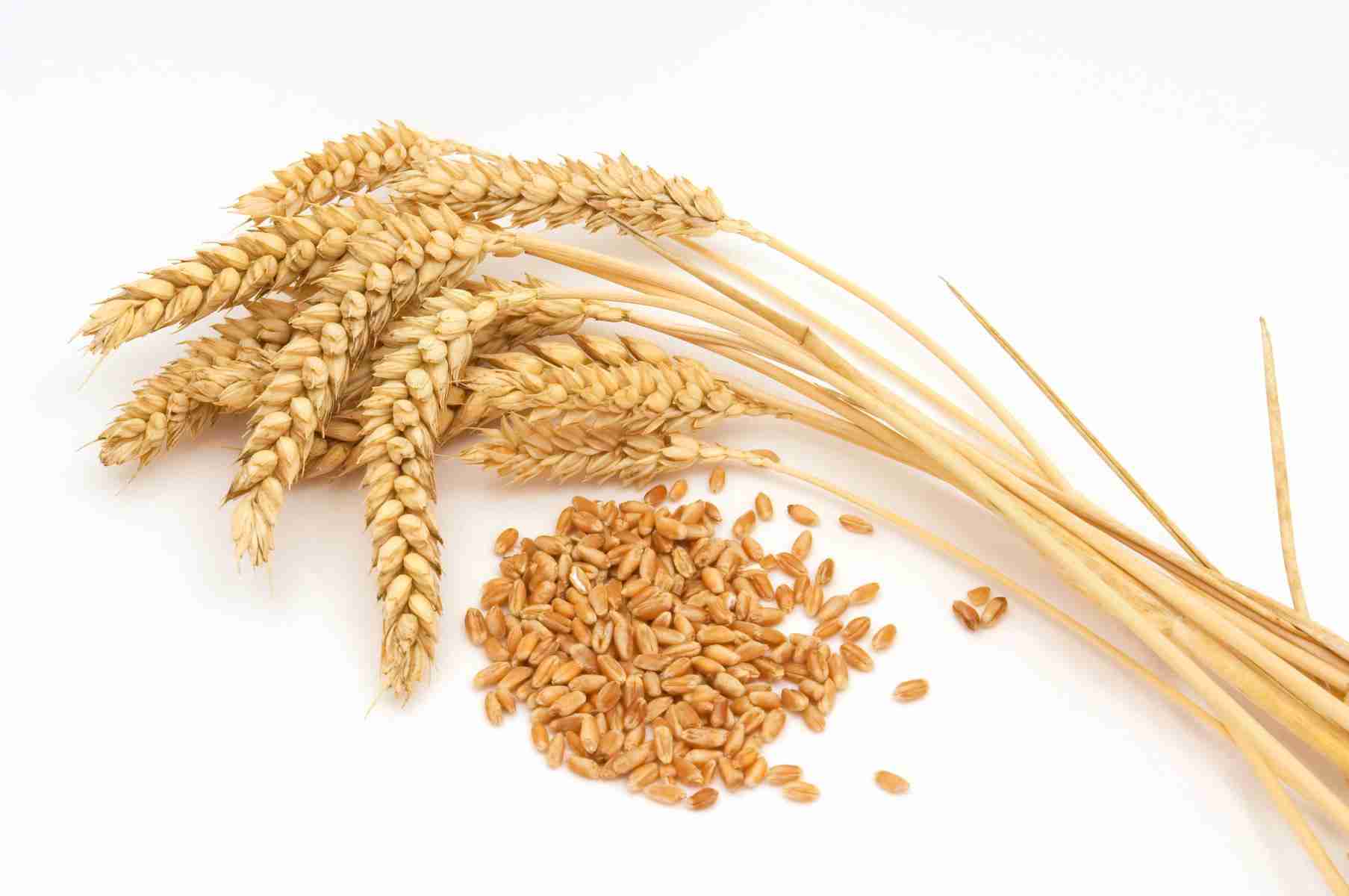
Exploring the Journey from Grain to Flour in Cereal Milling
The path from grain to flour is a fascinating interplay of art and science, where ancient techniques meet modern innovations. Milling begins with the selection of high-quality grains, which could range from wheat and rye to corn and barley. Once harvested, these grains undergo a cleaning process to remove impurities, such as stones and dirt. This crucial step ensures that only the best grains are milled. Following cleaning, the grains are conditioned with water to toughen the outer coat, allowing for a more efficient milling process. This conditioning phase is essential, as it prepares the grains to be broken down into finer particles without losing their nutritional value.
As the milling process progresses, the grains are subjected to a series of grinding and sifting actions. The grains are first passed through roller mills, which crush and break them into smaller pieces. This is typically followed by a separation process using sifters that classify the particles into different sizes. A table below illustrates the key processes involved in milling:
| Process | Description |
|---|---|
| Cleaning | Removal of impurities from the grains. |
| Conditioning | Adding moisture to toughen grains for milling. |
| Grinding | Crushing the grains into smaller particles. |
| Sifting | Separating ground particles by size. |
Ultimately, the transformation results in a range of flour types tailored to different culinary needs. This intricate blend of craftsmanship and scientific precision not only yields flour but also preserves the inherent health benefits of the grains, paving the way for delicious baked goods and nutritious meals. The journey from grain to flour encapsulates a rich history of agricultural practices and technological advancements, reminding us of the intricate connection between food and sustenance.
Unveiling the Role of Technology in Enhancing Milling Efficiency
In the world of cereal milling, technology acts as a transformative catalyst, streamlining processes and optimizing outcomes. Advanced machinery, such as high-efficiency roller mills, has revolutionized grain processing. These mills utilize precision engineering to produce consistent flour quality while minimizing waste. With integrated technologies like automated monitoring systems, mill operators can track and adjust parameters in real-time, ensuring that every batch meets rigorous standards for fineness and purity. Robotics and AI-driven analytics further enhance accuracy, allowing mills to predict equipment failures and maintain a continuous workflow, which is essential for meeting rising consumer demand.
Moreover, the adoption of cloud-based platforms facilitates remote management and collaboration, bringing a wealth of data right to decision-makers’ fingertips. By leveraging insights from big data analytics, milling companies can fine-tune their operations, adjusting milling strategies based on market trends and ingredient properties. The following table summarizes key technological advancements in cereal milling and their impacts:
| Technology | Impact |
|---|---|
| High-Efficiency Roller Mills | Improved flour quality with reduced waste |
| Automated Monitoring Systems | Real-time tracking and adjustments to ensure consistency |
| Robotics and AI | Enhanced precision and predictive maintenance capabilities |
| Cloud-Based Platforms | Streamlined remote management and data accessibility |

Nutritional Perspectives: How Milling Methods Impact Whole Grain Benefits
Milling methods play a crucial role in determining the nutritional quality of whole grains, greatly influencing their health benefits. Different milling techniques, such as stone milling, steel roller milling, and hammer milling, can produce varying degrees of flour refinement and functionality. These methods not only affect the texture and flavor of the final product but also retain or diminish essential nutrients. By preserving the bran and germ, certain milling processes can enhance the nutritional profile, ensuring that vital elements like fiber, vitamins, and minerals are more accessible for consumption.
When exploring the impact of milling on whole grains, consider the following aspects:
- Nutrient Retention: Stone milling typically retains more of the grain’s natural nutrients compared to steel roller milling, which can remove some of the bran and germ.
- Antioxidant Levels: Innovations in milling technology have shown that specific methods can enhance the bioavailability of antioxidants found in whole grains.
- Glycemic Index: The type of milling technique employed can influence the glycemic index of the flour, impacting blood sugar levels more positively when whole grain integrity is maintained.
| Milling Method | Nutrient Preservation | Texture |
|---|---|---|
| Stone Milling | High | Coarse |
| Steel Roller Milling | Moderate | Smooth |
| Hammer Milling | Variable | Fine |
Ultimately, the choice of milling method not only influences the culinary attributes of grains but can also significantly impact their health benefits. This connection underscores the importance of understanding the art and science of cereal milling in our quest for healthier, whole grain options. By embracing more traditional or innovative milling techniques, we can promote better dietary habits and enjoy the full spectrum of nutrients that whole grains have to offer.

Sustainability in Cereal Milling: Strategies for Eco-Friendly Practices
As the world increasingly prioritizes sustainability, the cereal milling industry is stepping up to adopt eco-friendly practices that not only benefit the environment but also enhance business viability. One of the key strategies lies in optimizing energy consumption throughout the milling process. By implementing energy-efficient machinery and employing advanced technologies, mills can significantly reduce their carbon footprint. Additionally, investing in renewable energy sources such as solar or wind power allows mills to operate sustainably while potentially lowering energy costs in the long run.
Another important aspect of sustainable cereal milling is minimizing waste. By adopting a circular economy approach, mills can repurpose byproducts from the milling process. For instance, bran and germ can be transformed into nutritious flour or animal feed, thereby reducing landfill contribution. Furthermore, engaging in robust waste management practices — such as recycling packaging materials and utilizing biodegradable options — contributes to a cleaner environment. Here are some targeted actions that can enhance sustainability in cereal milling:
- Reduce Water Usage: Implement closed-loop systems to minimize freshwater intake.
- Source Local Grains: Decrease transportation emissions by sourcing from nearby farms.
- Employee Training: Educate staff on sustainable practices and encourage innovative problem-solving.
- Monitor Supply Chain: Work with suppliers who share a commitment to environmental stewardship.
| Strategy | Benefit |
|---|---|
| Energy Efficiency | Reduced operational costs and lower emissions |
| Waste Repurposing | Minimized landfill waste and new revenue streams |
| Renewable Energy | Long-term sustainability and energy independence |
In Retrospect
In the intricate dance between art and science, the world of cereal milling emerges as a captivating spectacle. From the golden fields of wheat swaying in the breeze to the rhythmic hum of milling machinery, each grain tells a story of transformation. As we’ve journeyed through the centuries of milling techniques—from ancient stone grinding to cutting-edge technology—it’s evident that this process is not merely a necessity, but a blend of tradition and innovation.
Today, the cereal milling industry stands at the forefront of culinary and nutritional advancement, continually adapting to meet the evolving needs of society. This subtle yet profound transformation shapes not just the grains we consume, but the entire landscape of food production and sustainability. As we embrace this duality of art and science, we are reminded that every bowl of cereal, every loaf of bread, carries with it the legacy of craftsmanship and the promise of progress.
As we reflect on the role of milling in our lives, let us appreciate the expertise that breathes life into grains. It invites us to consider the journey from farm to table—a journey rich with history, innovation, and the potential for a thriving future. In this ever-evolving story, the art and science of cereal milling will undoubtedly continue to inspire and nourish generations to come.




