
Transforming Grain: The Art and Science of Maize Milling
In the heart of bustling markets and quiet countryside, a humble grain holds the power to transform not only diets but also traditions and economies. Maize, or corn as it is known in many parts of the world, has been a staple for centuries, revered for its versatility and nutritional value. Yet, to unlock its potential, one must embark on a journey through the intricate process of maize milling—a fusion of artistry and precision that has evolved over generations.
This exploration delves into the nuanced techniques that blend time-honored practices with modern innovations, revealing how each step in the milling process shapes not just the final product, but also the lives of those who depend on it. From artisanal mills in rural villages to large-scale operations in industrial landscapes, we unveil the many ways in which maize transforms—from golden cobs in the field to finely ground flours in the baker’s pantry. Join us as we uncover the symbiotic relationship between grain and grist, and celebrate the age-old craft that continues to nourish and inspire.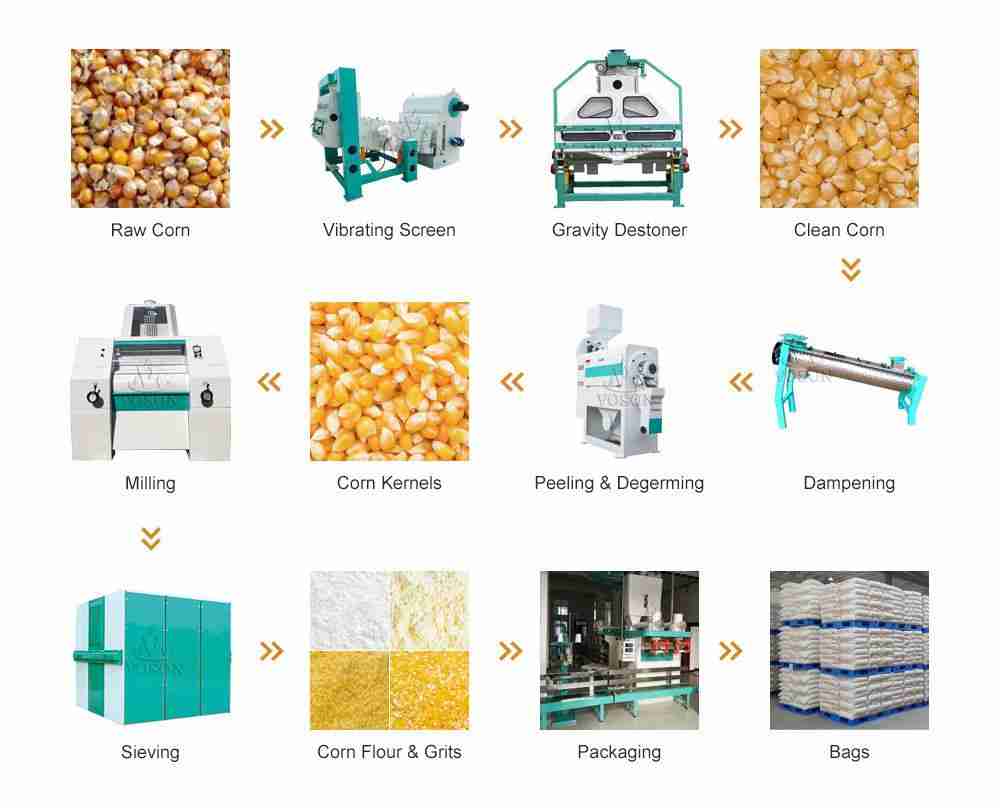
Exploring the Historical Journey of Maize Milling Techniques
The journey of maize milling is a fascinating tale that intertwines culture, technology, and tradition. Initially, indigenous communities utilized simple tools made from stone to grind maize for their sustenance. This early method, while rudimentary, laid the foundation for the diverse techniques that would follow. The advent of the mortar and pestle enabled a more efficient means of milling, allowing for a finer and more consistent flour. As time progressed, the introduction of water mills marked a significant technological leap, harnessing natural forces to speed up the grinding process and increase production. This evolution not only transformed local economies but also influenced culinary practices, enabling communities to develop a myriad of maize-based dishes.
With the Industrial Revolution came the mechanization of maize milling, shaping the industry into what it is today. Steam-powered mills emerged, revolutionizing the speed and scale of production. These mills incorporated advanced features like sifters and separators, leading to a greater degree of control over the final product. Today, modern milling technologies utilize innovations such as digital monitoring systems and automated processes. This blend of art and science serves to maintain the integrity of the grain while maximizing efficiency, ensuring that maize remains a staple in diets worldwide. The table below illustrates the key milestones that have defined maize milling techniques over the centuries:
| Era | Technique | Key Feature |
|---|---|---|
| Prehistoric | Hand Grinding | Use of Stone Tools |
| Ancient Civilizations | Mortar and Pestle | Increased Output |
| Middle Ages | Water Mills | Utilization of Natural Resources |
| Industrial Revolution | Steam-Powered Mills | High Volume Production |
| Modern Era | Automated Milling | Precision and Efficiency |

Understanding the Science Behind Grain Structure and Processing
Understanding the intricacies of grain structure is essential when it comes to milling maize. At the core of this grain is the kernel, which consists of three main parts: the pericarp, endosperm, and germ. Each of these components plays a vital role in the milling process. The pericarp, or hull, is the protective outer layer that safeguards the kernel’s inner structures. The endosperm, rich in starch, is the primary source of energy, while the germ contains the embryo for new plant growth, packed with nutrients, oils, and enzymes. The interplay of these parts not only determines the nutritional profile of the final product but also influences its processing methods, texture, and flavor.
Processing maize requires a deep understanding of how these components react to different milling techniques. Methods like dry milling and wet milling exploit these variances in structure to produce distinct products. Dry milling typically focuses on separating the endosperm to create cornmeal or grits, utilizing friction and impact forces. Conversely, wet milling involves soaking the kernels to break down starches and extract valuable components like glucose and germ oil. A comparison of these methods highlights their unique applications:
| Method | Output | Purpose |
|---|---|---|
| Dry Milling | Cornmeal, Grits | Food products, Snacks |
| Wet Milling | Starch, Ethanol, Oil | Industrial Applications |

Innovative Technologies Revolutionizing the Milling Process
The milling process is undergoing a transformation fueled by cutting-edge technologies that enhance efficiency, precision, and sustainability. One of the most significant advancements is the integration of smart sensors, which provide real-time monitoring of grain moisture levels and particle size distribution. This data allows millers to optimize their parameters, ensuring the highest quality of flour while minimizing waste. Additionally, the implementation of automation and robotics in milling operations reduces labor costs and increases production speed, allowing mills to keep pace with the ever-growing demand for maize products.
Another prominent innovation is the adoption of artificial intelligence (AI) and machine learning algorithms, which analyze large datasets to predict maintenance issues and improve process control. By using AI, mills can make informed decisions that lead to better product consistency and quality. Furthermore, the use of energy-efficient machinery not only lowers operational costs but also significantly reduces the carbon footprint, aligning the milling process with global sustainability goals. With these advancements, the maize milling industry is embracing a future where technology and tradition harmoniously coexist, producing food with minimal environmental impact.
| Technology | Benefits |
|---|---|
| Smart Sensors | Real-time monitoring for optimal grain quality |
| Automation | Reduced labor costs and improved production speed |
| AI & Machine Learning | Predictive maintenance and enhanced process control |
| Energy-efficient Machinery | Lower operational costs while minimizing carbon footprint |

Best Practices for Sustainable and Efficient Maize Milling Operations
To ensure sustainable and efficient operations in maize milling, adopting a holistic approach is essential. One key aspect is energy efficiency; integrating renewable energy sources such as solar or wind can significantly reduce dependency on fossil fuels. Additionally, adopting energy-efficient milling equipment not only lowers operational costs but also minimizes environmental impact. Regular maintenance of machinery helps in optimizing performance and extending the lifespan of the equipment. Implementing a waste reduction strategy goes hand-in-hand with energy efficiency. By recycling by-products, such as maize husks and bran, millers can create additional revenue streams while promoting sustainability.
An effective milling operation should also focus on water conservation. Employing advanced water management systems, including rainwater harvesting and recycling, can greatly diminish water consumption, which is critical in regions facing drought. Furthermore, ensuring that milling residues are utilized for animal feed or biofuel production can create a circular economy within the supply chain. It’s important to engage with local communities to support sustainable sourcing practices, fostering an environment where both the milling industry and local agriculture thrive. Maintaining transparency in these practices can also enhance brand reputation and encourage consumer trust.
| Practice | Description |
|---|---|
| Energy Efficiency | Integrate renewable energy and use energy-efficient machinery. |
| Waste Reduction | Recycle by-products for additional revenue and sustainability. |
| Water Management | Utilize rainwater harvesting and recycling systems. |
| Community Engagement | Support local sourcing and sustainable practices. |
In Retrospect
As we conclude our exploration of maize milling, it becomes evident that the transformation of grain is not merely a mechanical process; it is a harmonious blend of art and science. Each kernel of maize holds potential, waiting for skilled hands and innovative technologies to unlock its myriad possibilities. From the rhythmic whir of the mill to the delicate aroma that wafts through the air, every step in the milling process is a testament to human ingenuity and respect for nature’s bounty.
This journey through the intricacies of maize milling has shed light on the profound impact it has on our diets, economies, and culinary traditions. As we reflect on this age-old craft, may we appreciate not only the nourishment it provides but also the rich heritage it embodies. The next time you indulge in a bowl of polenta, savor a tortilla’s warmth, or enjoy a cornbread’s crumb, remember the blend of artistry and precision that brought it to your table.
In a world increasingly focused on innovation, let us not forget the lessons of tradition that continue to inform the future of food production. The art of maize milling stands as a bridge between our past and our future, inviting us to embrace both nostalgia and progress. As we look ahead, may we celebrate the continued evolution of this vital craft, ensuring that every grain of maize finds its rightful place in our global tapestry of flavors.




