
In the heartland of America, fields of gold stretch as far as the eye can see, not in the form of shimmering coins or sparkling jewelry, but in the humble yet mighty crop of corn. This versatile grain has been a staple of diets and economies for centuries, but few truly understand the intricate process of turning raw corn into the golden treasure that graces our plates and fuels our industries. In this comprehensive guide to corn processing, we delve into the world of harvested gold and uncover the secrets behind transforming this humble grain into an essential ingredient in our everyday lives.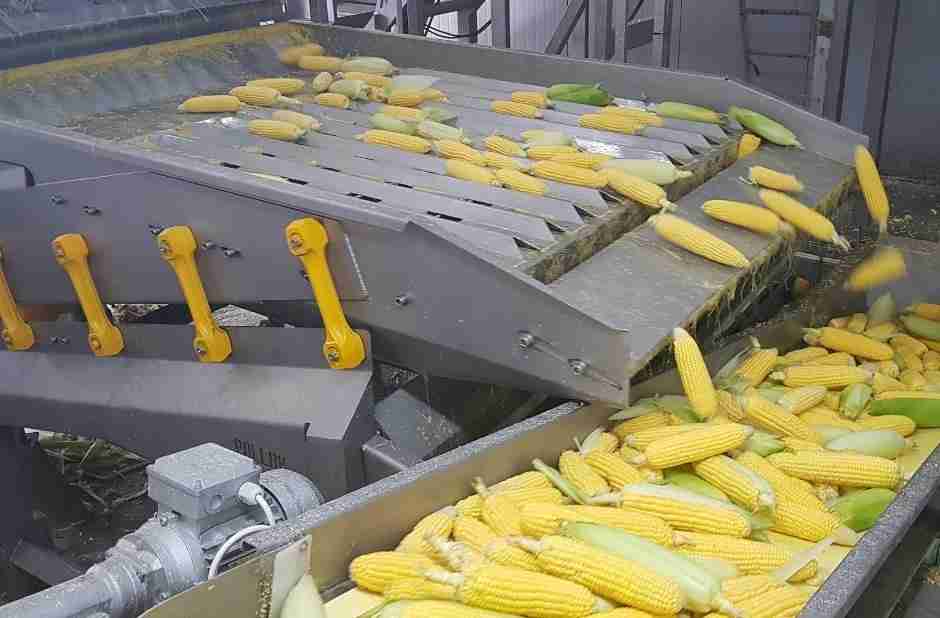
Introduction to Corn Processing Techniques
Corn processing techniques have been honed and perfected over centuries, transforming this golden harvest into a versatile ingredient used in a myriad of dishes. Understanding the methods by which corn is processed is essential for anyone looking to unlock its full culinary potential. From extracting the flavorful kernels to grinding them into fine flour, each step in the process plays a crucial role in delivering the distinct taste and texture that corn is known for.
Whether you’re a home cook looking to experiment with new recipes or a food enthusiast eager to delve deeper into the world of corn processing, this guide is here to help you navigate the intricate techniques involved. From traditional methods like nixtamalization to modern approaches such as wet milling, each technique offers unique insights into the art of processing corn. Join us on a journey through the fascinating world of corn processing, where innovation meets tradition in a harmonious blend of flavor and culture.
The Best Practices for Corn Harvesting and Drying
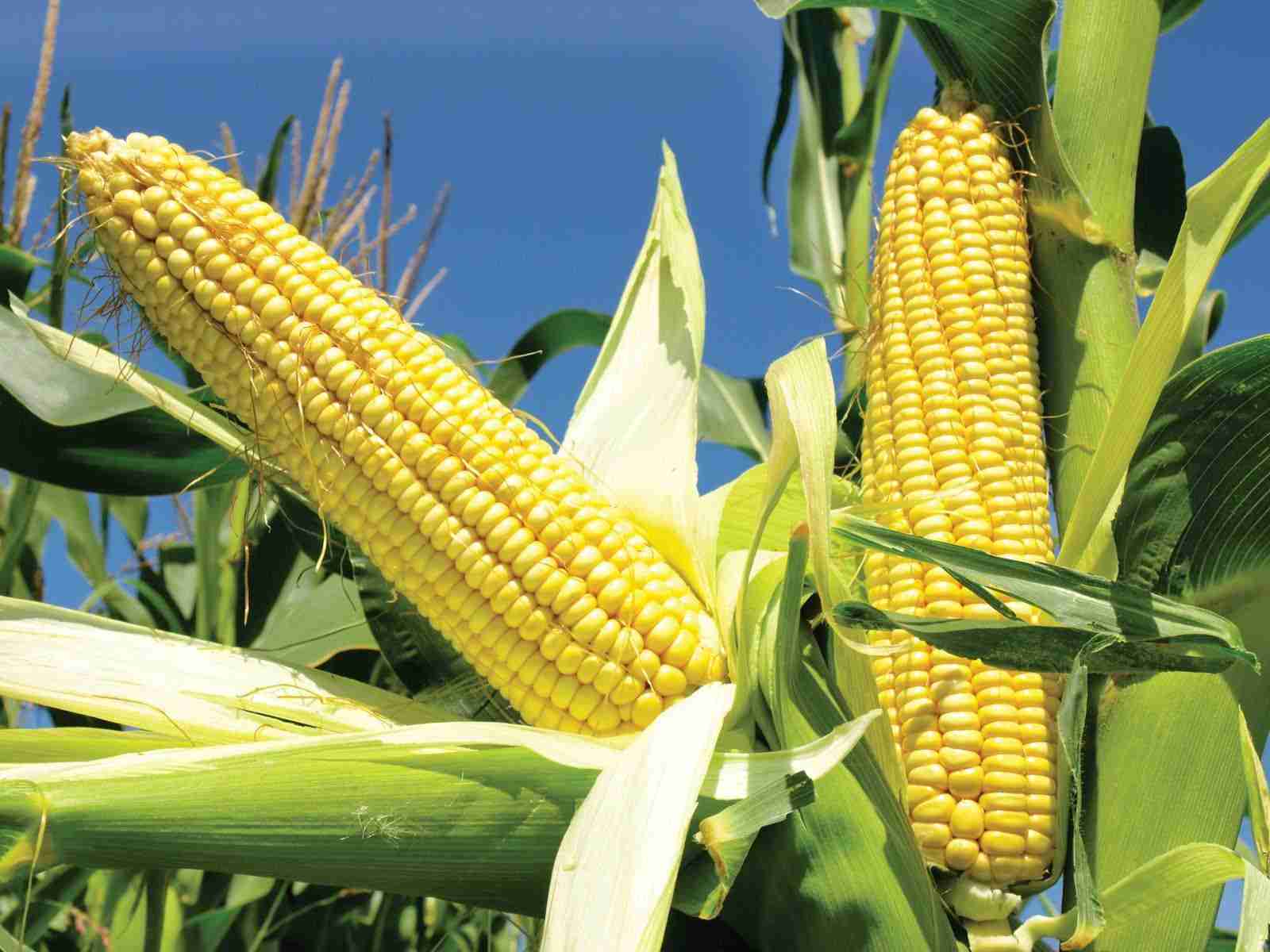
Corn harvesting and drying are crucial processes that can greatly impact the quality and value of your crop. To ensure a successful harvest and drying season, it’s important to follow the best practices to maximize yield and maintain the quality of the corn. One important practice is to harvest corn at the right moisture content to prevent spoilage and ensure proper drying.
Another best practice is to properly dry the harvested corn to reduce the risk of mold and mycotoxins. Utilizing aeration bins or dryers can help facilitate the drying process and maintain the quality of the corn. It’s also important to regularly monitor the moisture levels during drying to prevent over-drying or under-drying. By following these best practices, you can ensure a successful corn harvest and drying season that will yield high-quality corn for storage or sale.

From Kernel to Product: Understanding Corn Milling Procedures
Corn milling procedures involve a series of steps that transform raw kernels into a wide variety of products used in the food and beverage industry. The journey from kernel to product is a fascinating one, filled with intricate processes and innovative techniques that ensure each final product meets the highest quality standards.
From cleaning and degermination to grinding and packaging, corn milling procedures require precision and expertise at every stage. By understanding the intricacies of each step, manufacturers can create a diverse range of corn-based products that cater to different consumer preferences and market demands. Whether it’s producing cornmeal, corn flour, or corn starch, the corn milling process is truly a testament to the art and science of food production.

Tips for Maximizing Efficiency in Corn Processing Operations
In order to maximize efficiency in corn processing operations, it is essential to implement key strategies that can streamline the entire process. One important tip is to invest in high-quality equipment that is specifically designed for corn processing. This can help to reduce downtime and improve overall productivity.
Additionally, optimizing workflow and organization within the processing plant is crucial for efficiency. This can be achieved by implementing clear labeling systems, streamlining communication between team members, and regularly evaluating and adjusting processes for maximum efficiency. By following these tips, corn processing operations can run smoothly and effectively, ultimately leading to increased output and profitability.
Key Takeaways
As we conclude our journey through the process of harvesting gold from the fields, we hope this guide has shed light on the intricate and fascinating world of corn processing. From planting to harvesting, each step plays a crucial role in producing the versatile and essential crop that feeds so many around the world. Whether for food, fuel, or industrial use, corn processing is a vital industry with a rich history and promising future. So next time you enjoy corn on the cob, popcorn, or a soda sweetened with corn syrup, remember the hard work and dedication that goes into bringing that golden goodness to your plate. Thank you for joining us on this exploration of the harvested gold.




