
In a world where maize holds a special place at the dinner table, the process of maize milling is both an art and a science. Welcome to the captivating world of maize milling, where the golden grain is transformed into a multitude of products that sustain communities across the globe. Join us as we delve into the intricate process of turning maize into flour, exploring the craftsmanship and innovation behind the timeless tradition of milling.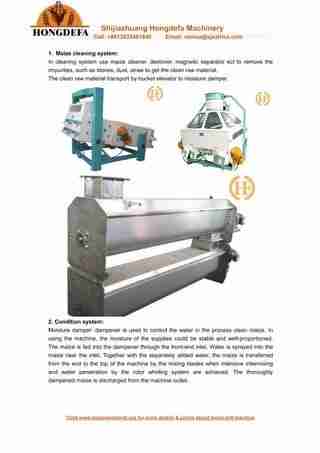
Introduction: Unveiling the Ancient Tradition of Maize Milling
Welcome to the ancient world of maize milling, where centuries-old traditions meet modern technology to produce the staple food of millions around the globe. Maize, also known as corn, has been a dietary staple for civilizations dating back to the ancient Mesoamerican cultures. The process of maize milling has evolved over time, but its importance in providing sustenance remains unchanged.
Join us on a journey through the golden grind of maize milling, where we will explore the history, cultural significance, and modern practices of this age-old tradition. From hand-operated stone mills to high-tech industrial machinery, maize milling has come a long way, yet its essence remains rooted in the rich heritage of generations past. Discover the world of maize milling and gain a newfound appreciation for the art and science of transforming a simple grain into a versatile culinary delight.

The Modern Evolution of Maize Milling Technology
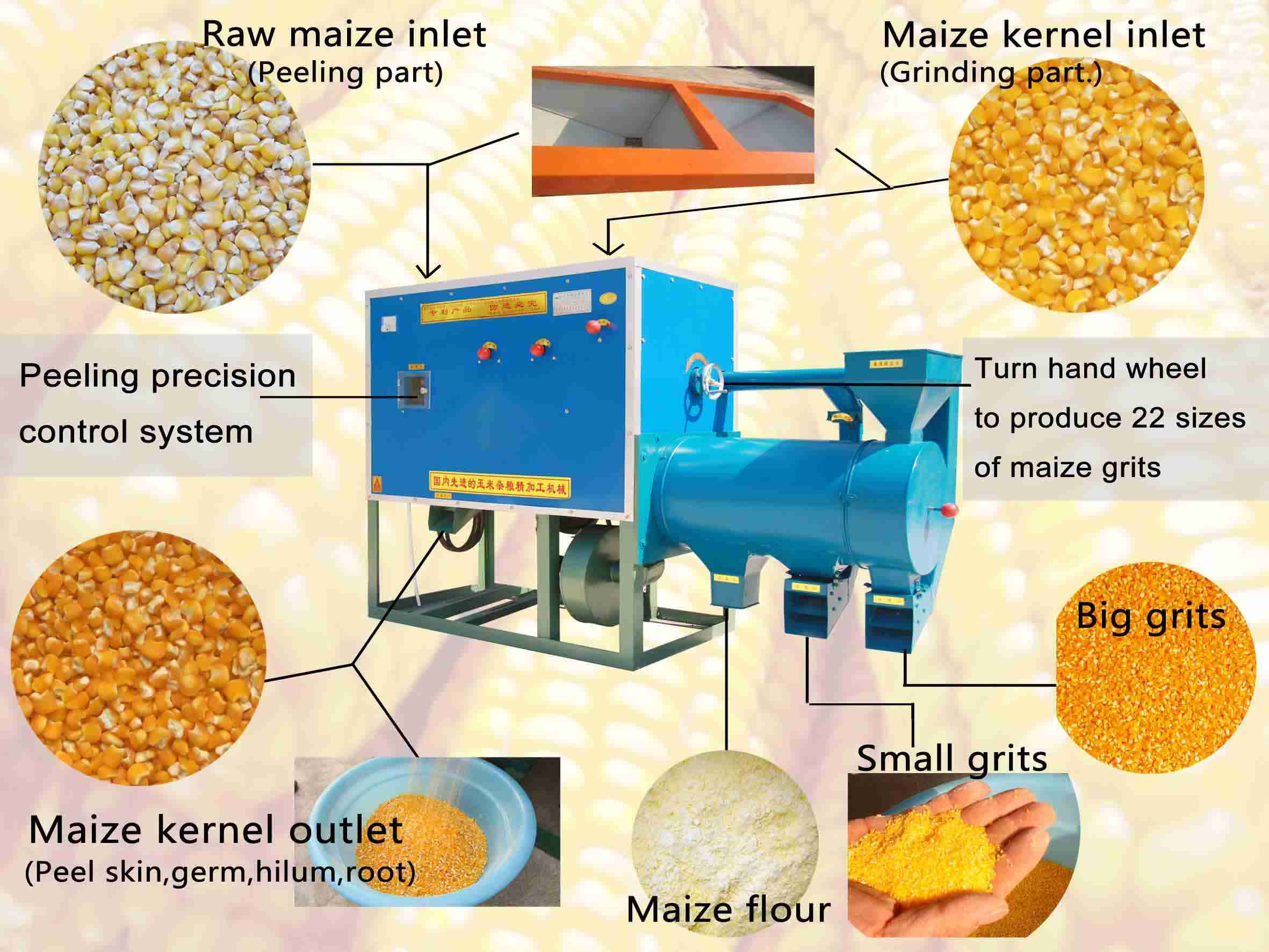
Maize milling has come a long way since its humble beginnings, evolving into a sophisticated process that maximizes efficiency and quality. One of the most prominent advancements in maize milling technology is the utilization of advanced machinery and equipment. Modern milling facilities are equipped with state-of-the-art machines that can handle large quantities of maize with precision and speed.
Another key innovation in maize milling technology is the development of specialized milling techniques that extract the maximum amount of nutrients from the maize kernels. These techniques ensure that the final product is not only finely ground but also retains its nutritional value. Additionally, modern milling technology has focused on reducing waste and increasing sustainability by utilizing every part of the maize kernel in the milling process.
Maximizing Efficiency: Tips for Enhancing Maize Milling Operations
When it comes to enhancing maize milling operations, there are several key tips that can help maximize efficiency and output. One important factor to consider is the maintenance of milling equipment. Regular inspections and upkeep can prevent breakdowns and downtime, ensuring smooth operations.
Another crucial aspect is optimizing the milling process itself. This can involve adjusting settings to achieve the desired particle size, ensuring consistent quality in the final product. Additionally, implementing automation and technology can streamline operations and increase productivity. By following these tips, maize milling operations can run more efficiently and effectively, ultimately leading to improved results and profitability.

Innovative Applications of Maize Milling By-Products
Maize milling is a vital process in the agricultural industry, producing not only staple food products but also valuable by-products that often go unnoticed. These maize milling by-products have the potential to be used in innovative ways, adding value to the industry as a whole. One such application is the use of maize bran as a nutritious and high-fiber ingredient in animal feed formulations, providing a sustainable solution for livestock farmers.
Another innovative application of maize milling by-products is the production of biodegradable packaging materials using maize stalks. By utilizing this often-discarded part of the maize plant, manufacturers can create eco-friendly alternatives to traditional plastic packaging, reducing the environmental impact of the packaging industry. The possibilities for the creative use of maize milling by-products are endless, highlighting the importance of exploring new ways to maximize the potential of this golden grain.
In Conclusion
As we conclude our exploration into the world of maize milling, it becomes clear that this age-old practice holds a special place in the history and culture of many communities around the world. From the ancient civilizations of the Americas to the bustling millhouses of modern-day industries, maize milling continues to play a vital role in sustaining both livelihoods and traditions. As we marvel at the golden grains being transformed into flour through the intricacies of machinery and the skill of the miller’s hand, we are reminded of the beauty and importance of this age-old craft. So the next time you enjoy a warm tortilla or a hearty bowl of polenta, take a moment to appreciate the golden grind that brings maize from the fields to your plate.




