
In the heart of every kernel of corn lies the potential for transformation. Maize milling is not merely a technique of grinding, but a true art form that has been perfected over generations. From humble cornfields to bustling mills, join us as we delve into the world of maize milling and unlock the hidden treasures of this versatile crop.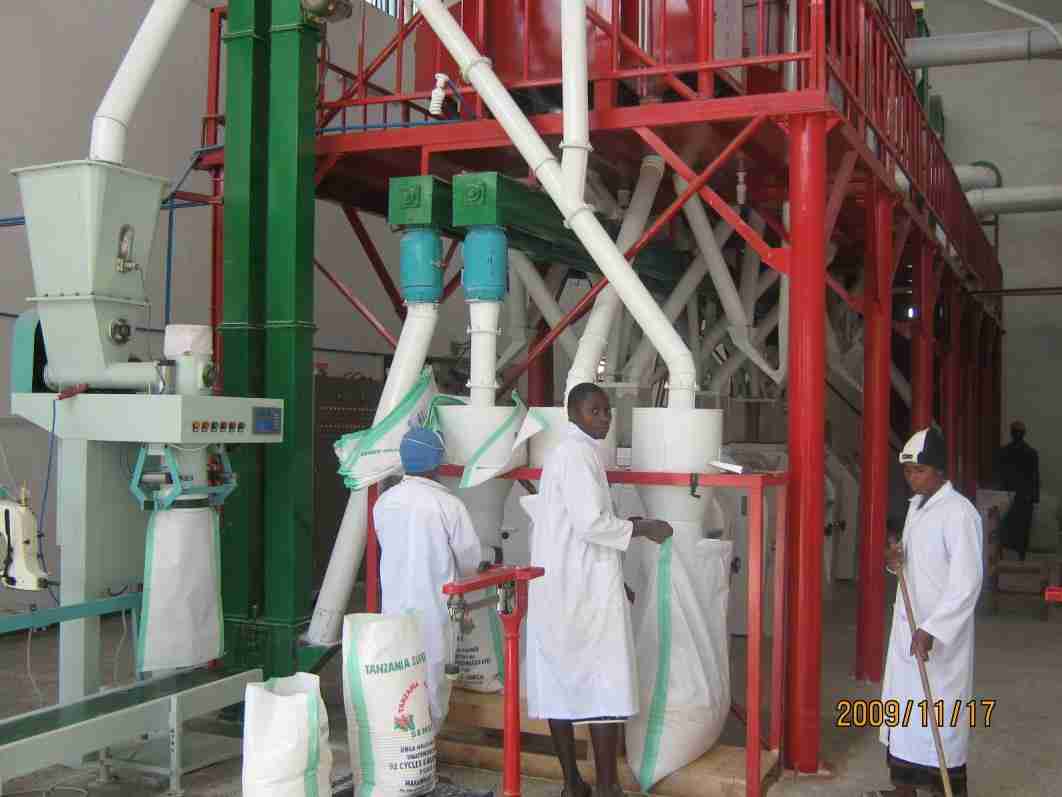
Understanding the Importance of Maize Milling
Maize milling is a crucial process that involves grinding corn into flour, which can be used for various purposes such as making bread, porridge, and other food products. is essential for maximizing the potential of corn and unlocking its nutritional value. By milling maize, we can transform this versatile crop into a staple ingredient that forms the basis of many traditional and modern dishes.
Maize milling not only provides a practical solution for preserving and utilizing corn but also offers economic opportunities for farmers and millers. The process of maize milling involves several key steps, including cleaning, grinding, sifting, and packaging. Each step plays a vital role in producing high-quality maize flour that can be used in a wide range of food products. By investing in efficient maize milling technology and techniques, we can enhance the value of corn and promote sustainable agriculture practices.

Maximizing Efficiency in Corn Processing
Unlocking the full potential of corn processing involves a careful balance of innovation and tradition. By implementing efficient milling techniques, corn can be transformed into a wide range of products with various applications. One key aspect of is the utilization of modern machinery and technology, which can improve production rates and overall quality.
Additionally, incorporating sustainable practices into the milling process can further enhance efficiency. By utilizing every part of the corn kernel and minimizing waste, processors can maximize their output while reducing their environmental impact. Embracing the art of maize milling involves a deep understanding of the intricacies of corn processing, along with a commitment to continuous improvement and innovation.

Enhancing Nutritional Value through Modern Milling Techniques
Milling is an essential process in the production of corn-based products, such as cornmeal, corn flour, and cornstarch. Through modern milling techniques, we can effectively enhance the nutritional value of corn, unlocking its full potential. By using advanced equipment and processes, we are able to retain more nutrients and produce higher quality products that are not only delicious but also beneficial for our health.
One of the key benefits of modern milling techniques is the ability to control the particle size of the final product. This allows us to create a variety of corn-based products with different textures and flavors. Additionally, modern milling techniques help to preserve the natural vitamins and minerals present in corn, making our products more nutritious. With continuous innovation and improvement in milling technology, we can further optimize the nutritional value of corn and provide consumers with healthier options for their diet.
Exploring Innovative Uses for Maize By-products
Milling maize is not just a process, it’s an art form that holds limitless potential for unlocking the various uses of corn by-products. When maize is milled, it goes through a series of intricate steps that transform it into a range of products that can be utilized in innovative ways. From maize flour and cornmeal to grits and masa, the possibilities are endless.
By exploring the innovative uses for maize by-products, we can tap into the diverse applications of corn in industries such as food, livestock feed, biofuels, and beyond. Utilizing every part of the maize kernel not only reduces waste but also maximizes its economic and nutritional value. From corn oil and starch to corn fiber and gluten, each by-product has its own unique properties that can be harnessed for various purposes.
Key Takeaways
As we conclude our exploration into the art of maize milling and the vast potential of corn, it is evident that this humble grain holds a wealth of possibilities waiting to be unlocked. From traditional methods to cutting-edge technology, the art of maize milling continues to evolve, offering a glimpse into the rich history and future prospects of this important staple crop. So, next time you enjoy a delicious corn-based dish, take a moment to appreciate the intricate process that brought it to your table. Let us continue to celebrate the artistry and innovation behind maize milling, recognizing its vital role in shaping our culinary landscape and nourishing communities around the world.




