
In the heart of every corn kernel lies the secret to a staple as ancient as civilization itself: maize milling. The intricate process of transforming these humble grains into the nourishing flour that sustains communities worldwide is a testament to the artistry and innovation of mankind. Join us on a journey through the fascinating world of maize milling, where tradition and technology converge to create a vital ingredient that has stood the test of time. Let’s explore the intricate steps involved in bringing maize from kernel to flour, and unravel the mysteries behind this essential culinary craft.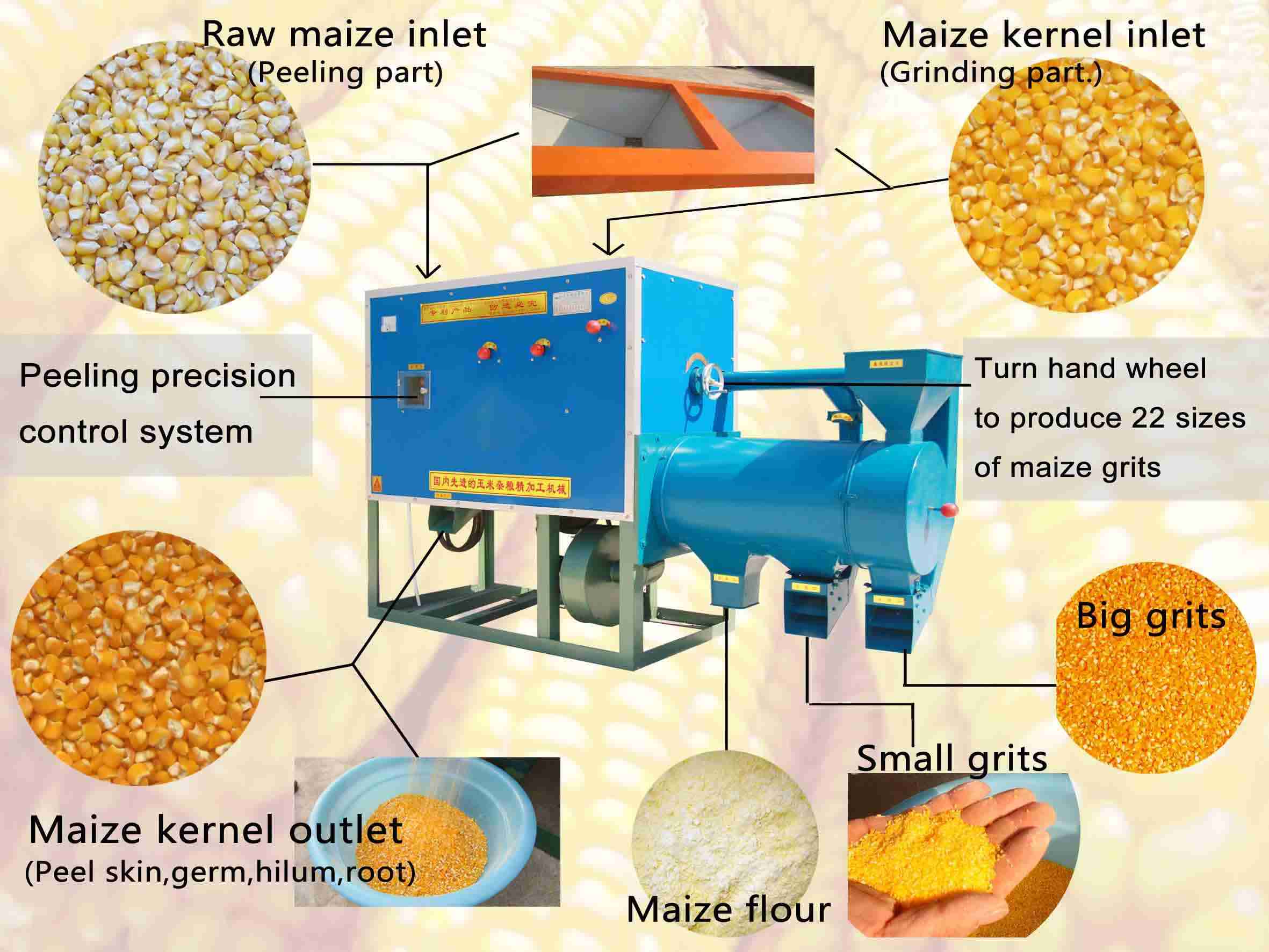
The Essential Steps in Maize Milling
Milling maize is a craft that has been passed down through generations, from knowing how to select the best kernels to transforming them into fine flour. require precision and skill to achieve the perfect end product. The journey from kernel to flour involves a series of carefully executed processes that bring out the best in every grain.
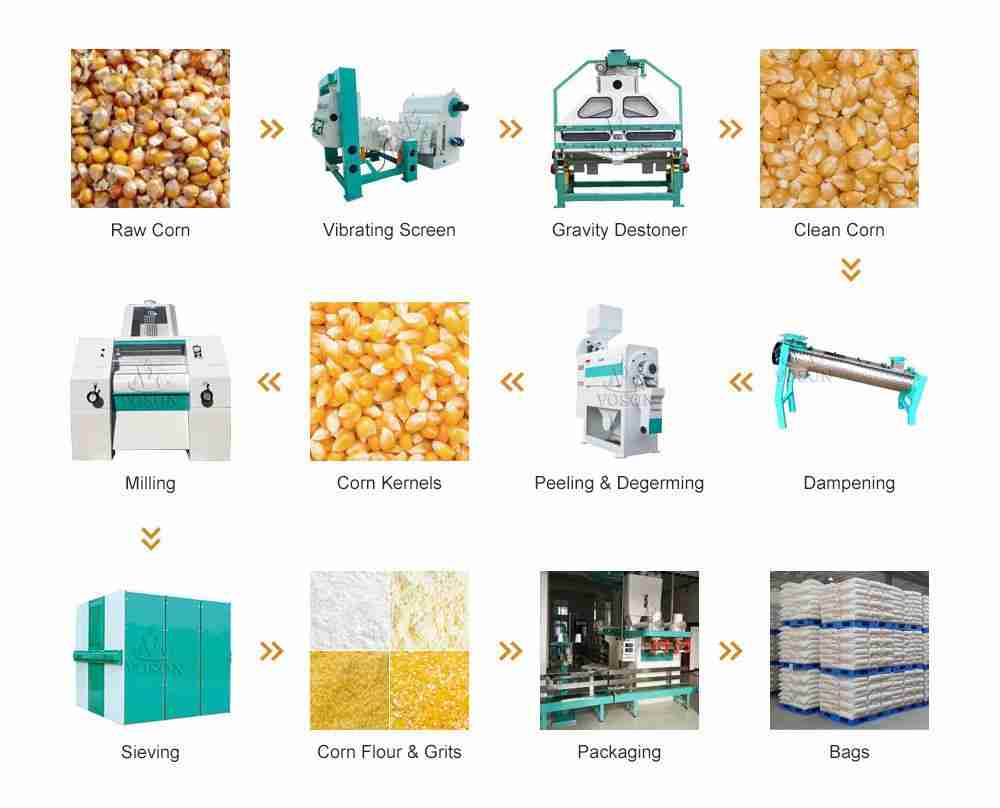
One crucial step in maize milling is cleaning the kernels to remove any impurities or debris. This ensures that only the best quality maize is used in the milling process. After cleaning, the maize is then conditioned to achieve the optimal moisture content for milling. The conditioned kernels are then ground into coarse particles before being sifted to separate the bran and germ from the endosperm. Through a series of grinding and sifting, the maize is finally milled into fine flour ready to be used in a variety of culinary creations.

Unlocking the Nutritional Potential of Maize Flour
The Art of Maize Milling: From Kernel to Flour
Maize, also known as corn, is a versatile grain that has been a staple food for centuries. When properly processed, maize flour can be a valuable source of essential nutrients such as carbohydrates, fiber, vitamins, and minerals. begins with the process of maize milling – transforming maize kernels into fine, powdery flour that can be used for a variety of culinary purposes.
Maize milling involves several steps that are crucial in preserving the nutritional value of the grain. From cleaning and conditioning the maize kernels to grinding and sifting the flour, each stage plays a vital role in ensuring that the final product is rich in nutrients and free from contaminants. By understanding the art of maize milling, we can appreciate the craftsmanship and precision that goes into producing high-quality maize flour that is both nutritious and delicious.
Mastering the Techniques of Maize Milling
Maize milling is a centuries-old practice that transforms raw corn kernels into a versatile and essential ingredient – maize flour. To truly master the techniques of maize milling, one must understand the intricate process from kernel to flour. This artful process involves several key steps that are crucial in achieving high-quality maize flour.
First and foremost, the selection of the maize kernels plays a significant role in the final product. The maize kernels chosen should be of the highest quality and free from any impurities. Next, the kernels must undergo thorough cleaning to remove any dirt, debris, or foreign materials. Once cleaned, the kernels are then processed through a milling machine to grind them into a fine powder. This powder is then sifted to remove any coarse particles, resulting in the smooth and fine maize flour that is a staple in many culinary dishes around the world.

Choosing the Right Equipment for Efficient Maize Milling
When it comes to efficient maize milling, selecting the right equipment is crucial for achieving quality results. From processing kernels to producing fine flour, each step requires the right tools for the job. One essential piece of equipment is a maize degerminator, which helps remove the germ from the grain, resulting in a more refined product. Additionally, a hammer mill is ideal for grinding maize into the desired consistency, whether it be coarse or fine.
Another key component in the maize milling process is a sifter, which helps separate the bran from the flour, ensuring a clean final product. Additionally, a maize polisher can be used to remove any remaining impurities and give the flour a smooth texture. By investing in high-quality equipment designed specifically for maize milling, producers can ensure efficiency and consistency in their operations, ultimately leading to a superior end product.
Key Takeaways
As we conclude our exploration of the art of maize milling, we have delved into the intricate process that transforms kernels into fine flour. From the initial cleaning and conditioning of the maize to the final grinding and sifting, each step requires precision and expertise. The rich history and cultural significance of maize milling remind us of the importance of this age-old practice. So, the next time you enjoy a warm tortilla or a hearty bowl of maize porridge, take a moment to appreciate the craftsmanship and artistry that goes into producing the flour that nourishes us. Thank you for joining us on this journey through the fascinating world of maize milling. Stay tuned for more captivating insights into the culinary arts.




