
In the heart of every thriving community lies a humble maize mill, pulsating with the rhythmic hum of milling stones and the intoxicating aroma of freshly ground corn. Join us on a journey through the intricate process of maize milling, where grains are transformed into flour with the precision and skill of a true artisan. From the raw kernel to the fine powder that graces our tables, discover the artistry and science behind this age-old practice that has sustained civilizations for centuries. Welcome to the world of maize milling – where tradition meets innovation in a symphony of simplicity and sophistication.
The Importance of Proper Cleaning and Sorting Techniques in Maize Milling
Proper cleaning and sorting techniques are crucial steps in the maize milling process, ensuring the quality and safety of the final product. By removing impurities such as dirt, stones, and foreign materials, the milling equipment can operate efficiently and effectively, resulting in higher yields and better quality flour. Through meticulous sorting, maize grains can be separated based on size, shape, and color, ensuring a consistent and uniform product.
Implementing the art of cleaning and sorting in maize milling not only improves the overall quality of the flour but also contributes to food safety and customer satisfaction. By eliminating contaminants and unwanted materials, the risk of spoilage and contamination is greatly reduced, ensuring that consumers receive a safe and wholesome product. Investing in proper cleaning and sorting equipment and techniques is essential for any maize milling operation looking to produce high-quality flour consistently.
Understanding the Role of Moisture Content in Achieving Quality Flour
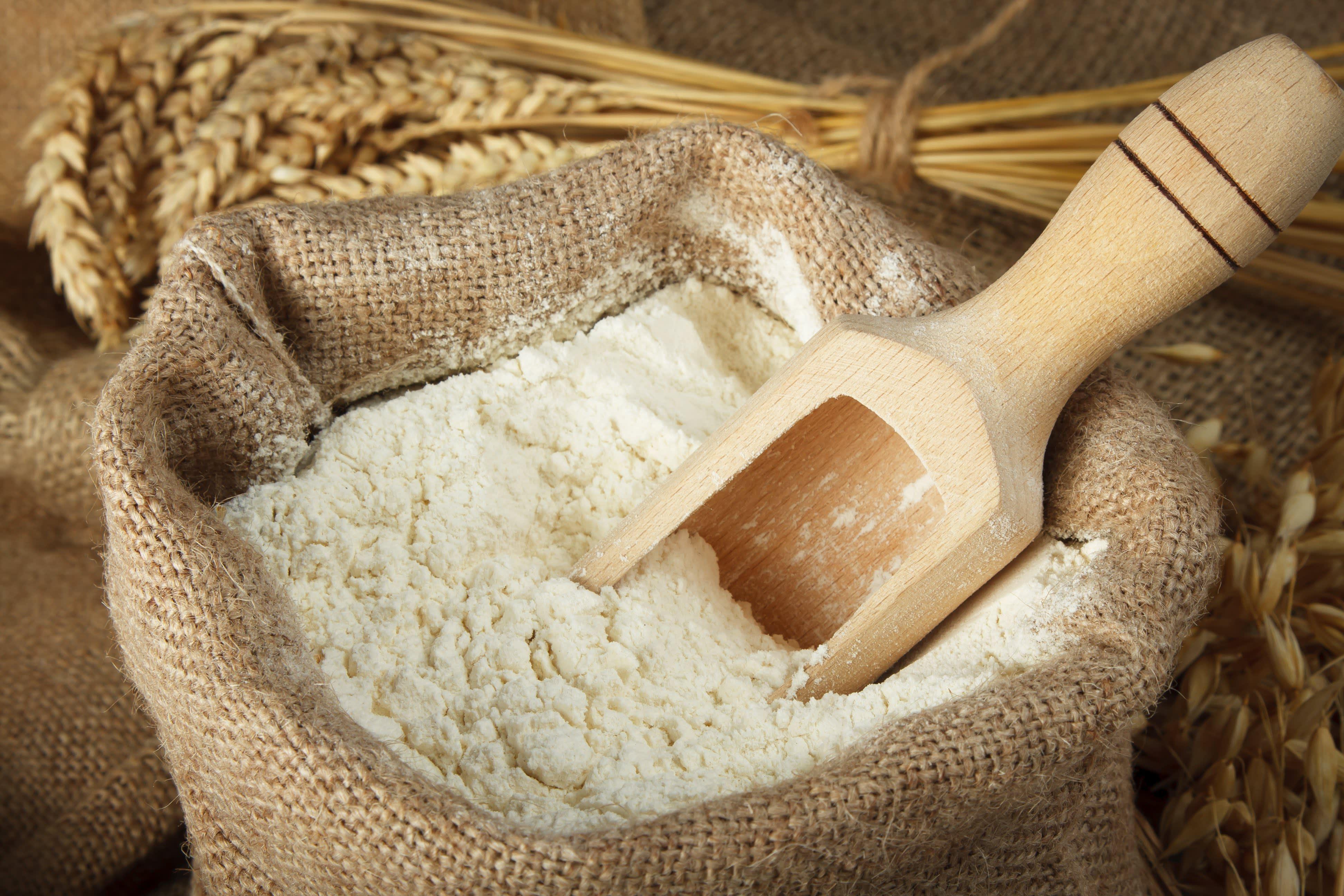
When it comes to achieving high-quality flour through maize milling, understanding the role of moisture content is essential. The moisture content of the grain plays a crucial role in determining the quality of the flour produced. **Maintaining the ideal moisture content throughout the milling process is key to producing flour that meets the desired standards.**
**Here are a few key points to consider regarding moisture content in maize milling:**
- Optimal moisture content ensures proper grinding and prevents overheating of the grain.
- Too much moisture can lead to mold growth and affect the shelf life of the flour.
- On the other hand, insufficient moisture content can result in a lower yield and poor flour quality.
Keeping a careful eye on the moisture content at each stage of the milling process is crucial for producing top-notch flour.

Optimizing Grinding Techniques for Different Maize Varieties
When it comes to maize milling, one size does not fit all. Each variety of maize requires a specific grinding technique to achieve the desired consistency and texture of flour. By understanding the unique characteristics of different maize varieties, millers can optimize their grinding techniques to produce high-quality flour.
For example, dent maize, with its hard endosperm, benefits from a finer grind to break down the tough outer layer and release the starch inside. On the other hand, flint maize, with its softer endosperm, requires a coarser grind to prevent the flour from becoming too fine. By adjusting factors such as grinding speed, moisture content, and screen size, millers can tailor their techniques to the specific needs of each maize variety, resulting in superior flour quality.

Exploring the Impact of Milling Equipment on Flour Quality
When it comes to the world of maize milling, the impact of milling equipment on flour quality cannot be understated. Each step in the milling process plays a crucial role in determining the final quality of the flour produced. From cleaning and conditioning the grain to grinding and sifting the flour, every stage requires precision and expertise to achieve the desired result.
One of the key factors in ensuring high-quality flour is the type of milling equipment used. Different types of mills, such as roller mills, hammer mills, and stone mills, each have their own unique impact on the final product. Roller mills, for example, are known for producing uniform, finely ground flour, while stone mills are prized for their ability to retain the natural flavors and nutrients of the grain. By understanding the intricacies of each type of milling equipment, millers can optimize their processes to produce flour of the highest quality.
In Retrospect
As we conclude our journey through the art of maize milling, we have explored the intricate process of transforming grain into flour, highlighting the skill and expertise required to achieve the perfect product. From the sourcing of high-quality maize to the precision of the milling process, every step is a testament to the craftsmanship and dedication of those involved in this age-old tradition. Whether you are a seasoned miller or simply curious about the ancient art of grain processing, we hope this article has provided valuable insights into the fascinating world of maize milling. Next time you enjoy a delicious meal made with maize flour, take a moment to appreciate the journey it took to reach your plate. Thank you for joining us on this exploration of the art of maize milling.




