
In the heart of rural America, nestled among the golden waves of cornfields, lies a centuries-old tradition that transforms humble kernels into the cornerstone of a beloved culinary staple. Join us on a journey through the art of maize milling, where the ancient alchemy of grinding and sifting turns nature’s bounty into the nourishing essence of cornmeal. Step inside the rustic mills and modern factories that uphold this timeless craft, and discover the rich history and meticulous process behind the creation of this kitchen essential. From farm to table, explore the intricate path that corn travels to become a versatile ingredient that has fed generations.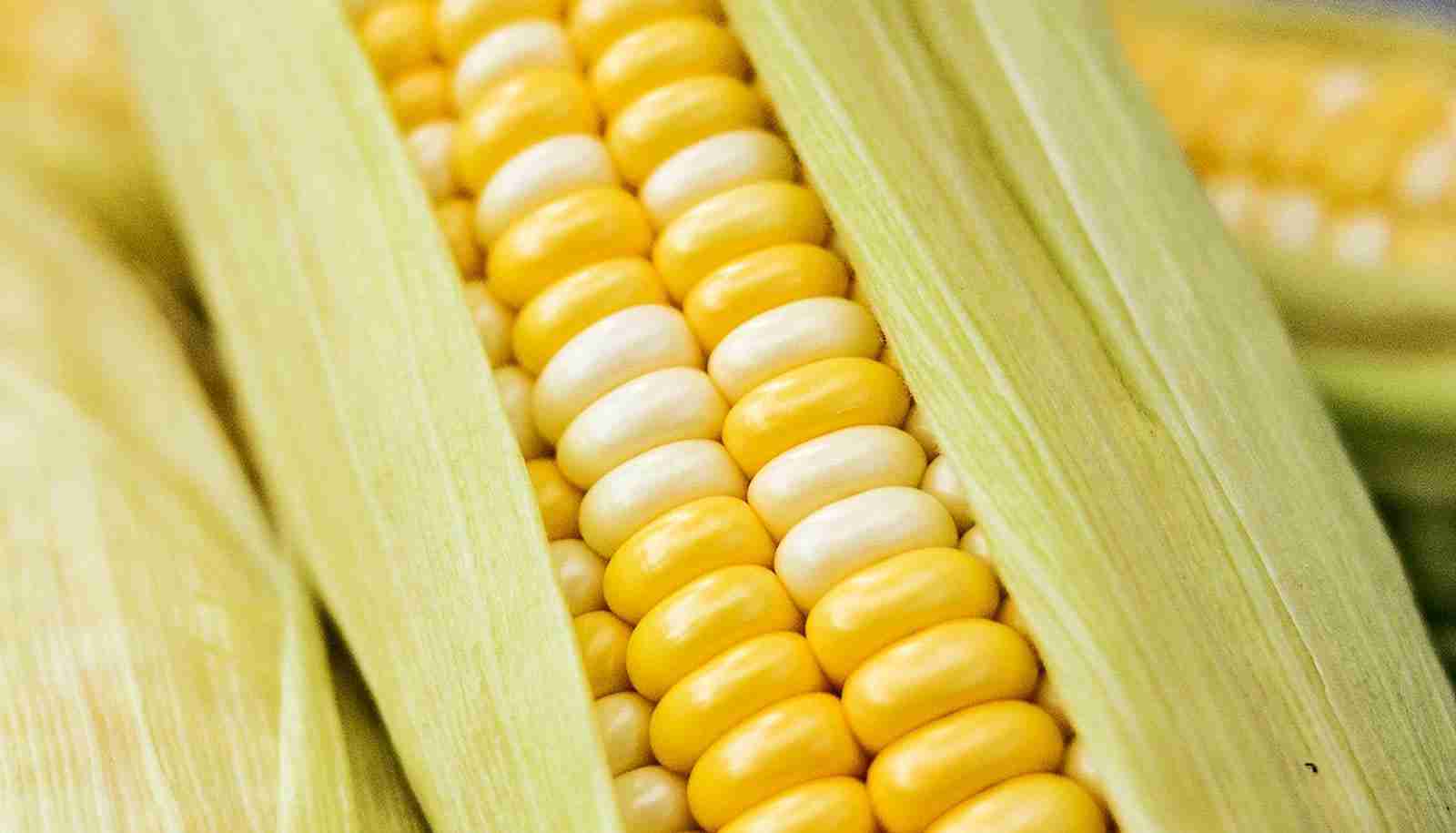
The Journey of Maize From Field to Mill
Once the golden maize fields have been harvested, the journey of maize begins its transformation from raw kernels to fine cornmeal. The process starts with thorough cleaning and sorting of the kernels to remove any impurities or foreign particles, ensuring only the highest quality maize is used for milling.
Next, the maize kernels are carefully milled using specialized machinery to break them down into various textures, from coarse grits to fine flour. The art of maize milling lies in achieving the perfect balance of grinding techniques to produce a range of versatile corn products that can be used in an array of culinary delights. From savory cornbreads to sweet corn muffins, the possibilities are endless with the versatile cornmeal produced from this meticulous process.

Techniques and Tools for Efficient Maize Milling
When it comes to efficiently milling maize, there are a variety of techniques and tools that can be utilized to ensure a smooth and successful process. From the cornfields to the final product of cornmeal, each step requires precision and expertise to achieve the desired results.
One essential technique for efficient maize milling is proper cleaning and sorting of the maize kernels. This helps to remove any impurities or foreign objects that may affect the quality of the final product. Utilizing tools such as air screen cleaners and magnetic separators can aid in this process. Additionally, employing the correct milling equipment, such as hammer mills or roller mills, can help to efficiently grind the maize into the desired consistency. By following these techniques and using the right tools, the art of maize milling can be mastered, resulting in high-quality cornmeal for various culinary applications.
Exploring the Diversity of Cornmeal Products
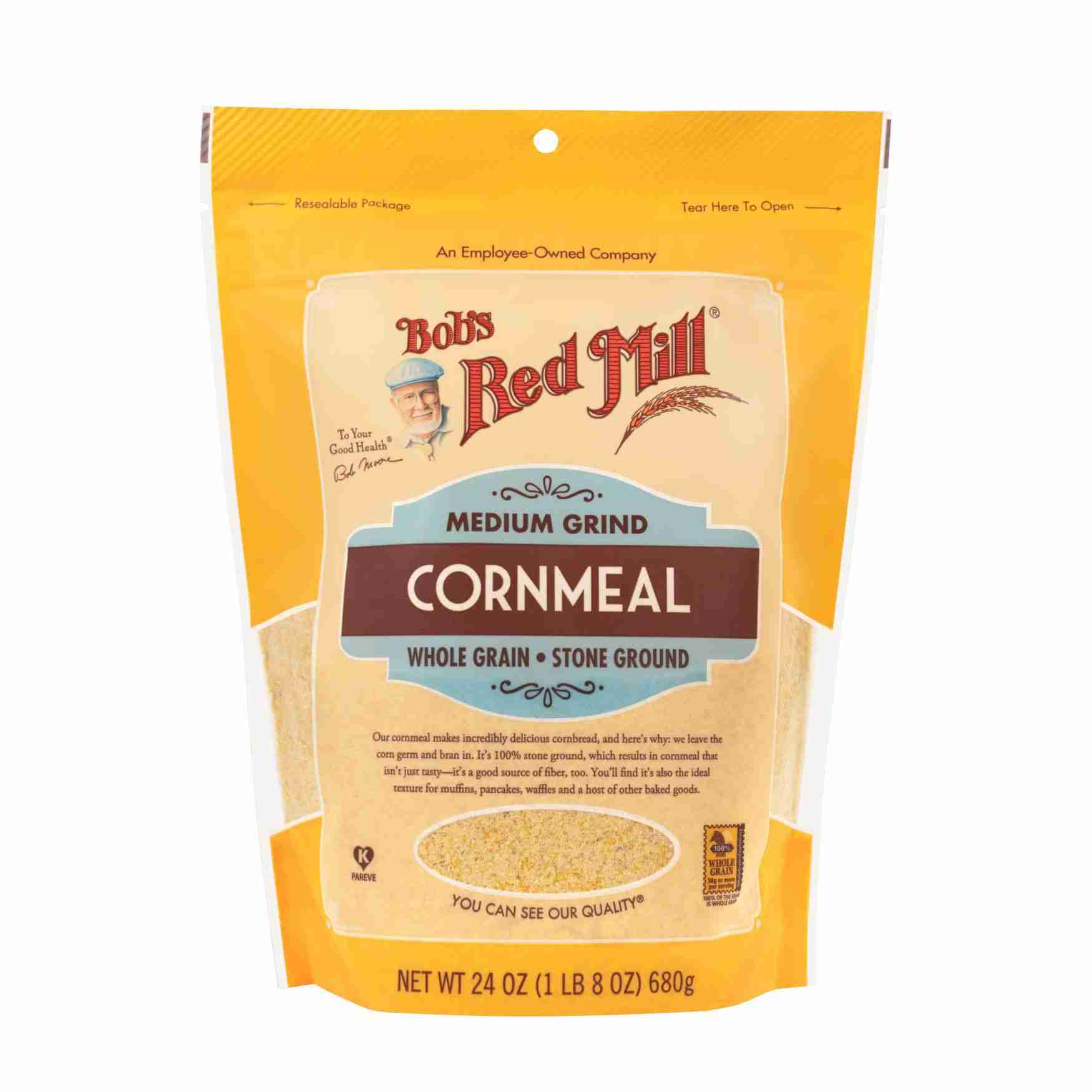
Cornmeal is a versatile ingredient that has been a staple in many cultures for centuries. From traditional cornbread to exotic tamales, this humble grain can be transformed into a wide variety of delicious dishes. The diversity of cornmeal products is truly remarkable, with each region and culture putting its own unique spin on the milling process and culinary applications.
When it comes to maize milling, there is an art to creating the perfect cornmeal. From hand-grinding in traditional stone mills to modern industrial processing techniques, each method imparts its own distinct flavor and texture to the final product. Whether you prefer the coarser grind of polenta or the fine consistency of corn flour, there is a cornmeal product out there to suit every taste and recipe. So next time you reach for a bag of cornmeal, take a moment to appreciate the journey it has taken from the cornfields to your kitchen table.

Tips for Preserving Nutrients During the Milling Process
When it comes to maize milling, it’s crucial to pay attention to preserving nutrients throughout the process. One key tip is to choose the right milling equipment that allows for minimal heat generation, as excessive heat can destroy essential nutrients. Additionally, consider using a finer milling setting to help retain more nutrients in the final product.
Another important tip is to store the maize meal properly after milling to prevent nutrient loss. Keep the cornmeal in an airtight container in a cool, dark place to maintain its freshness and nutritional value. Finally, consider incorporating a variety of grains and seeds into your milling process to boost the overall nutrient content of your cornmeal. Experiment with adding flaxseeds, chia seeds, or quinoa to create a more nutritious and flavorful product.
Final Thoughts
As we bring our journey through the art of maize milling to a close, we are left in awe of the incredible transformation that takes place from the vast cornfields to the finely-ground cornmeal. It is truly a testament to the skill and dedication of those who have mastered this age-old craft. The process of maize milling, though seemingly simple, is a complex dance of precision and tradition that brings nourishment to millions around the world. Next time you enjoy a warm serving of cornbread or a hearty bowl of grits, take a moment to appreciate the artistry and labor that went into producing that humble cornmeal. The story of maize milling is a humble reminder of the beauty and importance of our connection to the land and the food that sustains us.




