
In the vast fields of the heartland, amidst rows upon rows of vibrant green stalks, lies a humble yet versatile crop that has been a staple in diets for centuries – corn. From its golden kernels to its myriad of products, the journey of corn processing is a fascinating art that combines tradition with modern innovation. Join us as we delve into the intricate process of transforming this humble grain into a plethora of delicious and essential products that we know and love.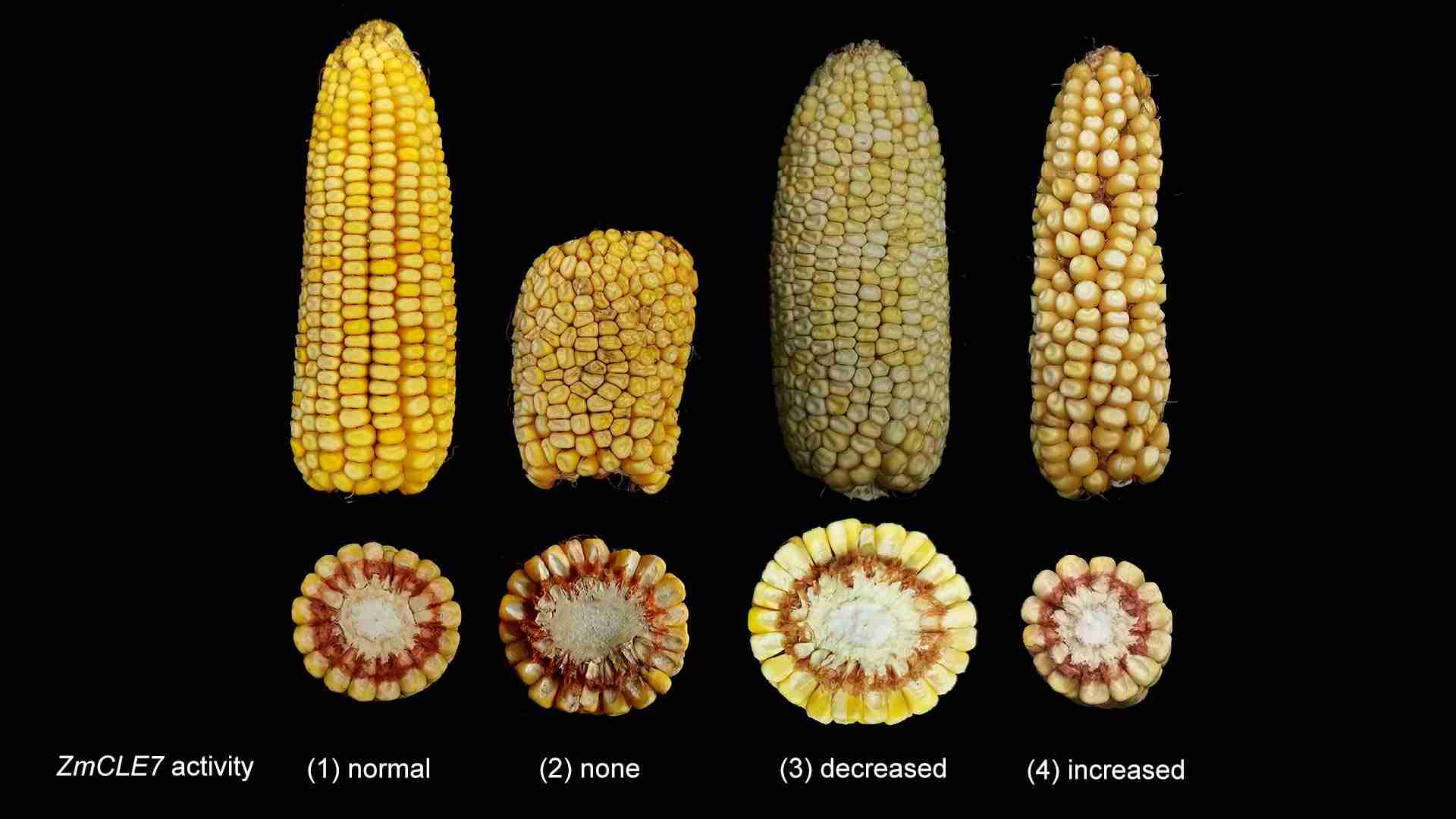
The Corn Kernel: Understanding its Anatomy and Composition
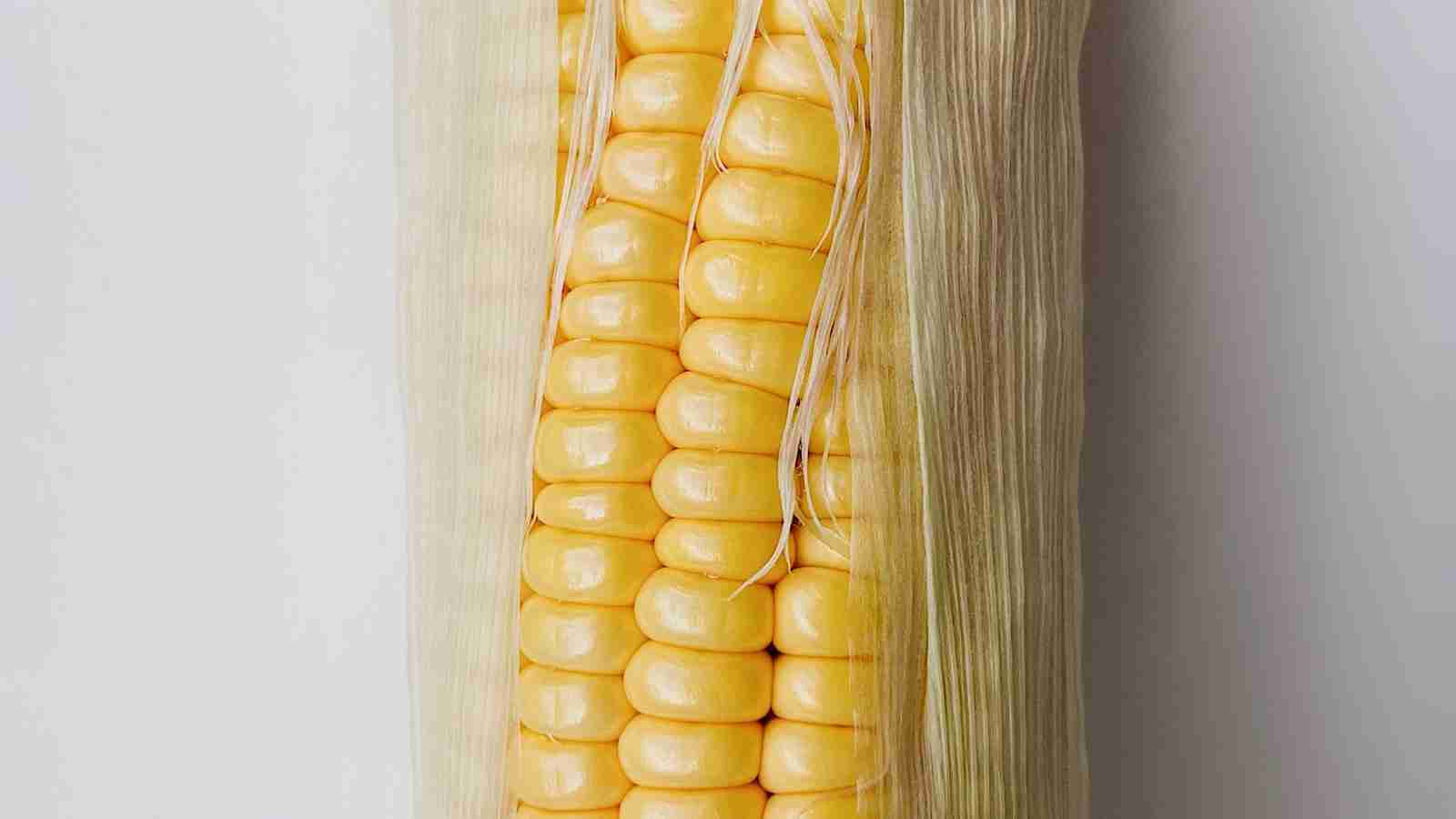
Corn kernels are the building blocks of a wide range of products that we use and consume daily. Understanding the anatomy and composition of these tiny golden nuggets can give us insight into the intricate process of corn processing. Each kernel is a small marvel of nature, made up of various parts that work together to provide nutrients and flavor.
The anatomy of a corn kernel consists of several distinct components, each with its own purpose and characteristics. From the protective outer hull to the starchy endosperm and nutrient-rich germ, each part plays a vital role in the growth and development of the corn plant. When processed, these components can be separated and utilized in a variety of ways to create a multitude of products, from cornmeal and corn syrup to biofuels and plastic alternatives. The versatility of the corn kernel is truly remarkable, making it a staple ingredient in the modern world.
Traditional vs. Modern Corn Processing Techniques: A Comparative Analysis
Corn processing is an integral part of food production worldwide, with traditional and modern techniques offering unique advantages and challenges. Traditional methods, handed down through generations, rely on time-tested practices that preserve the integrity and flavor of the corn. Techniques such as stone grinding and nixtamalization are labor-intensive but result in products with a rich, authentic taste.
On the other hand, modern corn processing techniques utilize cutting-edge technology to streamline production and enhance efficiency. Processes like wet milling and extrusion allow for higher output and consistency in product quality. While traditional methods focus on preserving heritage and artisanal craftsmanship, modern techniques prioritize scalability and meeting the demands of a rapidly growing market.

Maximizing Quality and Flavor: Tips for Enhancing Corn Product Production
Corn processing is a delicate art that requires attention to detail and a focus on maximizing quality and flavor. One key tip for enhancing corn product production is to start with the freshest possible corn kernels. Fresh corn will yield a more flavorful end product, so it is important to source high-quality corn from reputable suppliers. Additionally, properly storing the corn kernels in a cool, dry place will help preserve their freshness and flavor.
Another tip for maximizing the quality and flavor of corn products is to experiment with different processing techniques. Whether you are grinding corn into meal or processing it into corn syrup, trying out different methods can lead to unique flavors and textures. Additionally, paying attention to cooking times and temperatures can greatly impact the final product. By taking the time to carefully process and cook corn products, you can ensure that each bite is bursting with flavor.
Innovative Corn Processing Methods: Exploring Future Opportunities
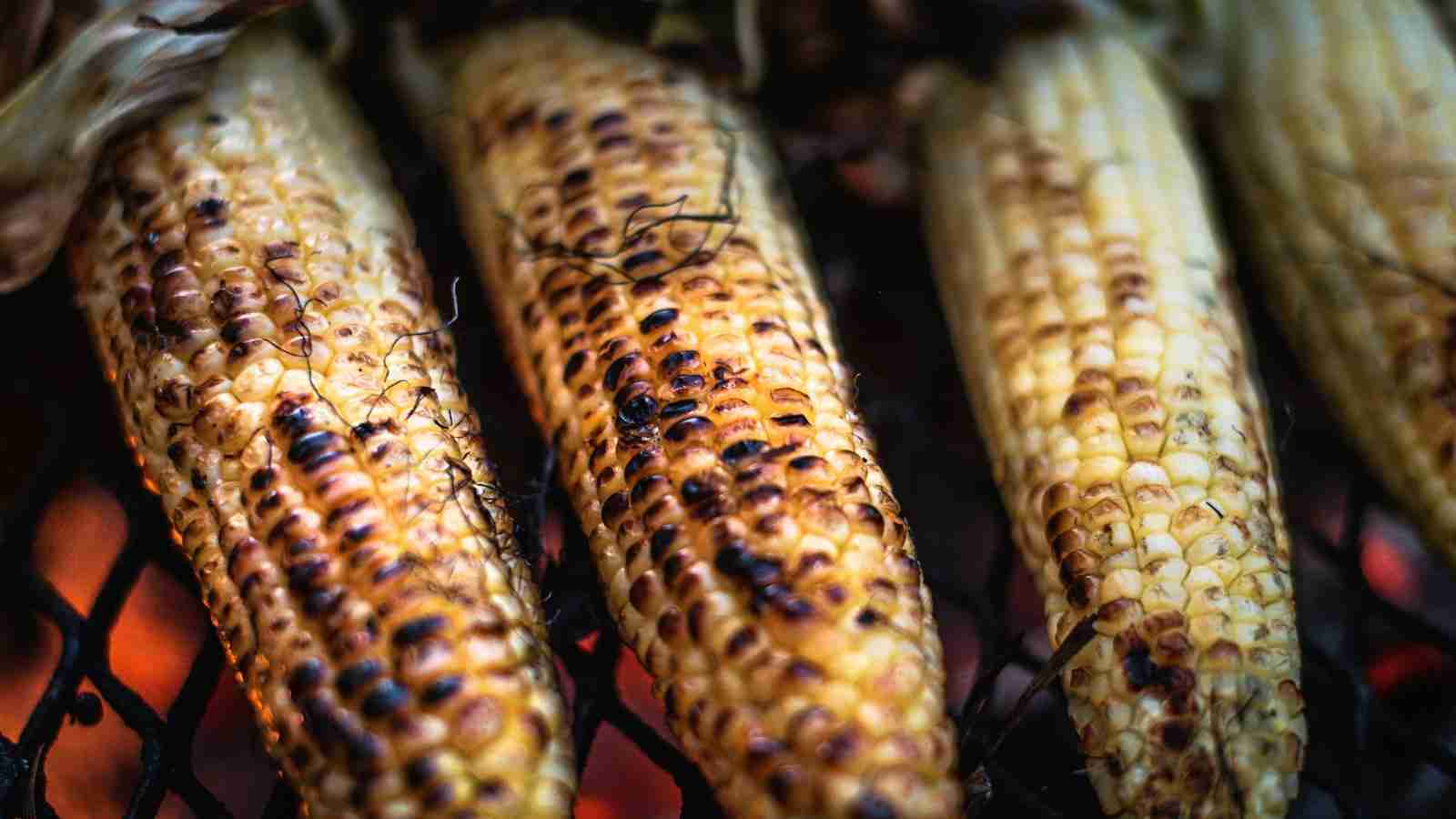
As the demand for innovative corn processing methods continues to grow, the opportunities for exploring new ways to transform this versatile crop into a wide range of products are endless. From traditional corn milling techniques to cutting-edge technologies, the art of corn processing involves every step from the kernel to the final product. With a focus on sustainability and efficiency, researchers and industry experts are pushing the boundaries of what is possible with this staple ingredient.
One of the key advantages of exploring future opportunities in corn processing is the ability to create value-added products that cater to changing consumer preferences. By harnessing the power of advanced processing techniques such as extrusion and fermentation, corn can be transformed into a multitude of innovative products, including gluten-free snacks, biofuels, and biodegradable plastics. With a focus on quality and product development, the potential for growth in this field is limitless.
In Conclusion
In conclusion, the art of corn processing is a fascinating journey from kernel to product, with each step requiring precision, skill, and patience. From the ancient civilizations to modern food production, corn has played a crucial role in our diets and economies. As we continue to innovate and refine our processing techniques, the possibilities for corn-based products are endless. So next time you enjoy a delicious corn-based dish or snack, take a moment to appreciate the intricate process that brought it to your table. Let’s continue to savor and celebrate the art of corn processing, from farm to fork.




