
Corn processing is a fine art that has been mastered and perfected by generations of farmers and food enthusiasts alike. From a humble kernel to a hearty meal, the journey of corn is a fascinating process that requires skill, knowledge, and patience. Join us as we explore the intricate steps involved in turning this golden grain into a delicious staple in our diets. Welcome to the world of corn processing: a true testament to the beauty and complexity of our agricultural traditions.
Breaking Down the Kernel: Understanding the Anatomy of Corn
Corn kernels are the essential building blocks of many popular food products, but have you ever stopped to consider the intricate process that transforms these tiny golden nuggets into the cornmeal we use in our cooking? Understanding the anatomy of a corn kernel is crucial for grasping the complexity of corn processing.
Breaking down the kernel reveals the following key components:
- Endosperm: The largest part of the kernel, providing energy and nutrition
- Germ: The embryo of the corn plant, rich in essential oils and vitamins
- Pericarp: The outer covering that protects the kernel
- Tip Cap: The pointy end of the kernel
Unlocking the Nutritional Benefits: Techniques for Maximizing Corn’s Potential
The Art of Corn Processing
Unlock the nutritional benefits of corn by mastering the art of corn processing. From kernel to meal, there are various techniques you can use to maximize corn’s potential. Here are some tips to help you unleash the goodness of this versatile grain:
- Stone Grinding: Consider using a stone grinder to make cornmeal. This traditional method helps retain the natural flavors and nutrients of the corn.
- Soaking: Soak corn kernels in water before cooking or grinding. This can help improve digestibility and increase nutrient absorption.
- Nixtamalization: Try nixtamalizing corn by cooking it in an alkaline solution. This process enhances the nutritional value of corn by increasing the availability of essential nutrients like niacin and calcium.
Comparison of Nutritional Values
| Processing Method | Calories | Protein (g) | Fiber (g) |
|---|---|---|---|
| Stone Grinding | 120 | 3 | 2 |
| Soaking | 110 | 2 | 3 |
| Nixtamalization | 130 | 4 | 4 |

From Field to Fork: Sustainable Practices for Corn Processing
Corn processing is an intricate art that begins in the vast fields where the golden kernels are grown with care and precision. These fields are not just a source of corn, but a symbol of sustainability and mindful agricultural practices. Farmers cultivate the corn using eco-friendly methods that prioritize soil health, water conservation, and biodiversity. By embracing sustainable farming techniques, they ensure that the corn reaches its full potential while minimizing harm to the environment.
Once the corn is harvested, it embarks on a journey that transforms it from a humble kernel into a versatile ingredient that nourishes millions around the world. The processing of corn involves a series of meticulous steps that require expertise and attention to detail. From milling the kernels to extracting the valuable components, each stage in the process is designed to preserve the nutritional value of the corn while delivering a high-quality product. Through sustainable practices, corn processing companies strive to reduce waste, conserve energy, and support local communities. By prioritizing sustainability from field to fork, they ensure that every meal made with corn is not just delicious, but also environmentally friendly.
Mastering the Milling Process: Tips for Achieving the Perfect Cornmeal Texture
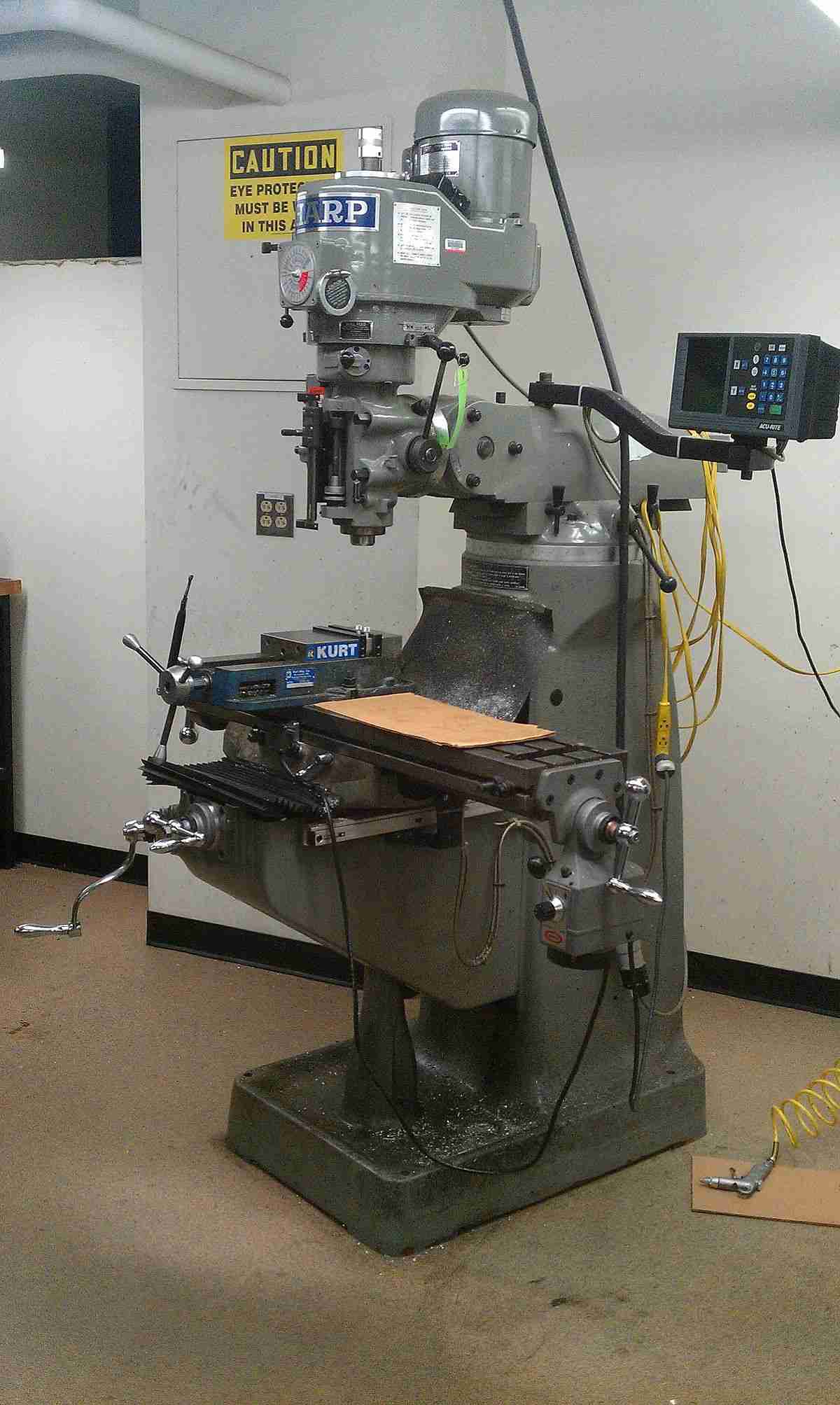
Corn processing is a delicate art that requires precision and attention to detail. Achieving the perfect cornmeal texture is a skill that takes time to develop, but with the right tips and techniques, you can master the milling process and produce high-quality cornmeal every time.
Here are some key tips for achieving the perfect cornmeal texture:
- Choose the right type of corn kernel for the texture you desire
- Adjust the grinding speed and pressure of the mill to control the fineness of the cornmeal
- Sift the cornmeal after grinding to remove any remaining coarse particles
- Store the cornmeal in an airtight container to preserve its freshness and texture
Future Outlook
As we have delved into the intricate and time-honored process of transforming corn kernels into nutritious meal, we can appreciate the artistry and skill required to produce this staple food. From ancient civilizations to modern industrial methods, corn processing continues to play a vital role in our diet and economy. Next time you enjoy a corn-based dish, take a moment to savor the journey that each kernel has taken from field to plate. The art of corn processing is a fascinating and essential part of our culinary heritage that should be celebrated and cherished.




