
In a world where cereal is a staple in nearly every household, the process of transforming raw grains into the breakfast staple we know and love is nothing short of an art form. From the serene fields where grains are grown to the carefully curated bowls on our tables, the journey of cereal processing is a fascinating and intricate dance of science and tradition. Join us on a journey through the art of cereal processing, where we uncover the secrets behind turning simple grains into the breakfast delight that fuels us through our days.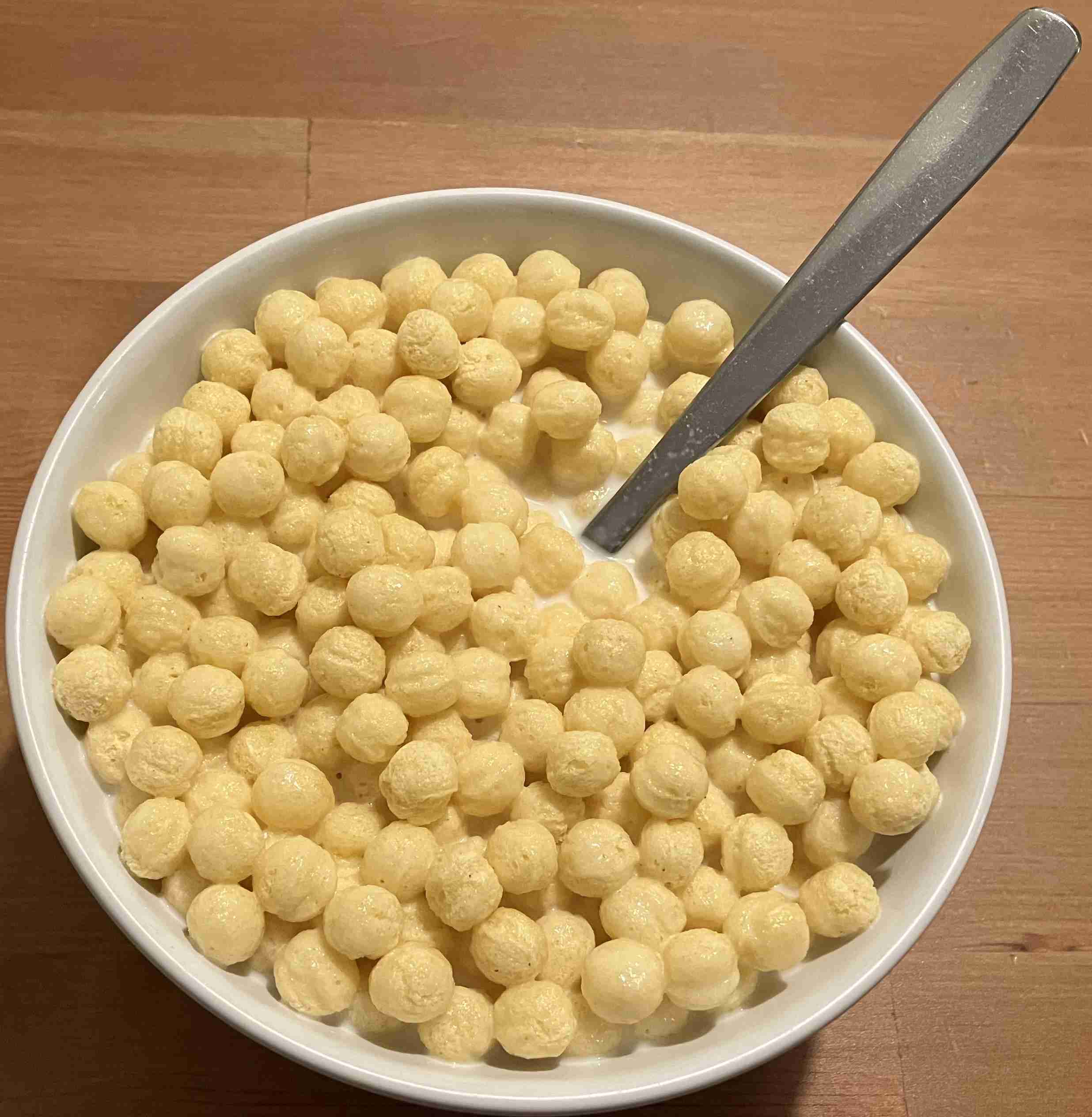
Exploring the Rich History of Cereal Processing Techniques
From ancient civilizations to modern-day breakfast tables, cereal processing techniques have evolved and diversified over time. The journey of cereal from field to table is a fascinating one, marked by innovation, tradition, and a deep connection to our food heritage.
**** unveils a world of intricate methods and practices that have been passed down through generations. Whether it’s the traditional stone milling process or the cutting-edge technology used in industrial cereal production, each step in the journey contributes to the final product that graces our bowls every morning. Join us as we delve into the artistry and science behind the processing of cereal, celebrating the diverse flavors and textures that have become a staple in our diets.
Key Steps in Bringing Cereal from Farm to Consumer
Once the cereal grains are harvested from the fields, they go through a series of key steps to make their way to the consumer’s table. The first step involves threshing the grains to separate the edible part from the chaff. This can be done using traditional methods such as beating the grains with flails or modern machinery like combines.
After threshing, the grains undergo a process called winnowing, where the chaff is separated from the grains by tossing them in the air. The next step is cleaning the grains to remove any remaining impurities. This is followed by milling the grains into flour, which can then be used to make a variety of cereal products like bread, pasta, and breakfast cereals. Each step in this journey from field to table requires precision and care to ensure that the cereal products reach the consumer in top quality.

Mastering the Art of Creating Nutrient-Rich Cereal Products
When it comes to creating nutrient-rich cereal products, it’s all about the process from start to finish. From the moment the grains are planted in the field to the final product on your table, every step plays a crucial role in ensuring the nutritional value of the cereals.
One key aspect of mastering the art of cereal processing is ensuring that the grains are harvested at the right time to preserve their nutrients. Once harvested, the grains go through a series of processing steps, including cleaning, milling, and fortification, to ensure that the final product is packed with essential vitamins and minerals. By carefully controlling each stage of the process, manufacturers can create cereal products that not only taste great but also provide the essential nutrients our bodies need to thrive.

Innovative Strategies for Enhancing Sustainability in Cereal Processing
One innovative strategy for enhancing sustainability in cereal processing is the implementation of vertical integration within the supply chain. By owning and controlling all aspects of production from the field to the table, companies can streamline processes, reduce waste, and ensure the quality of the final product. This approach also allows for greater traceability and accountability, as each step of the process is closely monitored and managed.
Another key strategy is the adoption of advanced technological solutions such as precision farming techniques and smart packaging. Utilizing drones, sensors, and data analytics can help farmers optimize crop yields, reduce water and fertilizer usage, and minimize environmental impact. Smart packaging not only extends the shelf life of cereals but also provides consumers with valuable information about the product, including its origins and sustainability credentials. Embracing these innovations can revolutionize the way we produce and consume cereals, leading to a more sustainable future for all.
Future Outlook
In conclusion, the journey of cereal processing from field to table is filled with creativity, precision, and dedication. It is a delicate art that has been perfected over centuries, resulting in the breakfast staple we all know and love. From the farmers cultivating the grains to the manufacturers carefully processing them, each step in the process contributes to bringing the nutritious and delicious cereal we enjoy to our tables. So next time you pour yourself a bowl of cereal, take a moment to appreciate the craftsmanship and ingenuity that went into creating this humble yet essential food item. Here’s to the art of cereal processing - may it continue to nourish and delight us for years to come.




