
From the golden fields of wheat waving under the summer sun to the comforting bowl of cereal on your breakfast table, the journey of cereal processing is a delicate dance of nature and technology. Join us on a fascinating exploration of the art of cereal processing, as we uncover the intricate steps and processes that bring your favorite breakfast staple from farm to table. Welcome to the mesmerizing world of cereal processing.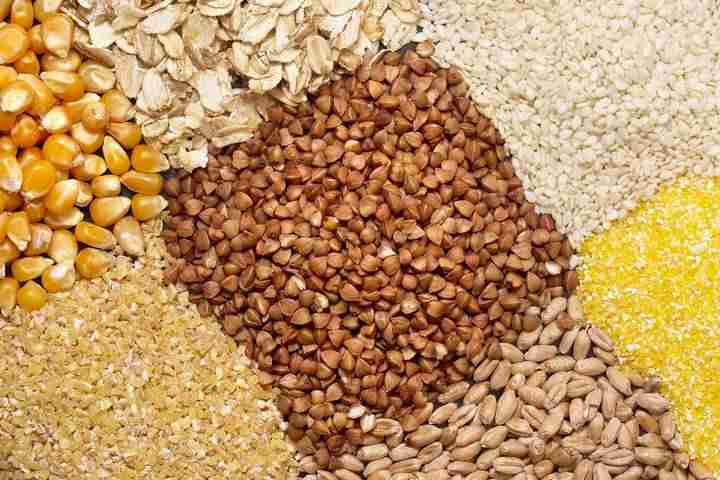
The Journey of Cereal Grains: Understanding Farming Techniques
Cereal grains have been a staple food source for centuries, providing essential nutrients and energy to people around the world. The journey of cereal grains from farm to table is a complex process that involves various farming techniques and methods of processing. Farmers play a crucial role in growing and harvesting these grains, which are then transformed into the breakfast cereals and baked goods we enjoy every day.
Understanding the art of cereal processing is key to appreciating the skill and dedication that goes into bringing these grains to our tables. From planting and tending to crops to milling and packaging, each step requires precision and expertise. By supporting sustainable farming practices and choosing products that prioritize quality and freshness, consumers can ensure that they are enjoying the best that cereal grains have to offer.

Preserving Nutrients: Best Practices in Milling and Processing
In the world of cereal processing, the journey from farm to table is a delicate art that requires careful consideration of preserving nutrients. One of the best practices in milling and processing is to use gentle techniques that retain the natural goodness of the grains. This means avoiding harsh processing methods that can strip away important vitamins and minerals, resulting in a less nutritious end product.
To ensure the highest quality cereal products reach consumers, it is essential to prioritize nutrient preservation at every stage of the processing chain. This includes selecting high-quality grains from sustainable sources, utilizing innovative milling technologies that minimize nutrient loss, and packaging the final products in a way that protects their nutritional value. By following these best practices, producers can help to ensure that each delicious bowl of cereal is not only tasty but also packed with essential nutrients to nourish the body.
| Best Practices in Nutrient Preservation | Key Points |
|---|---|
| Using gentle milling techniques | Minimizes nutrient loss during processing |
| Choosing high-quality grains | Ensures a nutritious end product |
| Utilizing innovative technologies | Preserves vitamins and minerals |
| Protecting packaging | Maintains nutritional value until consumption |
From Processing Plant to Breakfast Bowl: Ensuring Quality and Safety
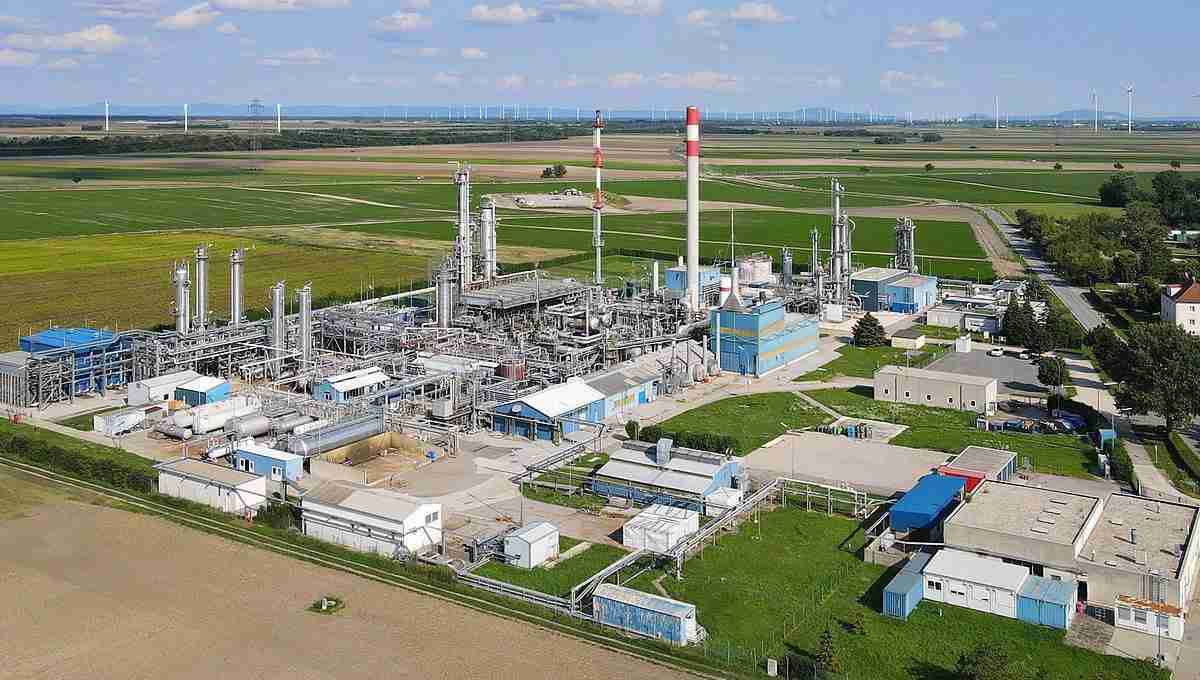
When it comes to the journey of cereal processing, there are multiple crucial steps that ensure the final product is of the highest quality and safety standards for consumers. From the moment the grains are harvested at the farm, to the processing plant where they are transformed into your favorite breakfast cereals, every stage plays a vital role in maintaining freshness and taste. One of the key aspects in this process is the careful monitoring of quality control measures at each step.
Ensuring the safety of the cereal products starts at the processing plant, where thorough cleaning and proper storage techniques are implemented to prevent any contamination. From there, the grains undergo milling, blending, and flavoring processes before being shaped into the familiar cereal shapes we all love. Rigorous testing and inspection protocols are in place to guarantee that the final product meets all safety and quality standards before it reaches your breakfast bowl. By adhering to strict regulations and staying committed to excellence, the art of cereal processing truly comes to life from farm to table.
Innovations in Cereal Processing: Trends to Watch and Implement
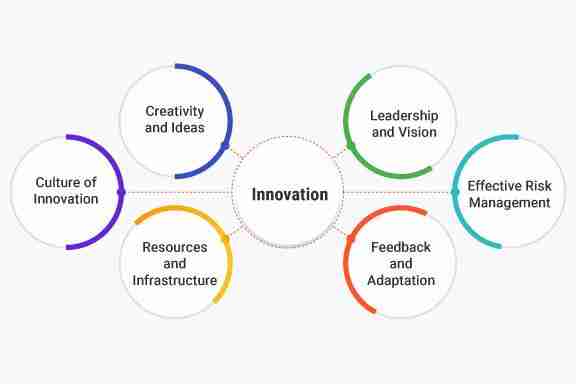
When it comes to cereal processing, there are a multitude of exciting innovations that are shaping the way we produce and consume our favorite breakfast foods. From advancements in technology to shifts in consumer preferences, the trends within this industry are constantly evolving. One key trend to watch is the rise of alternative grains being used in cereal production. Ingredients such as quinoa, amaranth, and teff are gaining popularity for their nutritional benefits and unique flavors. Incorporating these grains into cereal recipes can attract health-conscious consumers looking for more diverse options.
Another trend that is making waves in the cereal processing world is the focus on sustainability and environmentally friendly practices. Consumers are increasingly conscious of the impact their food choices have on the planet, leading companies to explore ways to reduce waste and carbon emissions in their production processes. Implementing sustainable packaging solutions, sourcing ingredients from local farmers, and investing in renewable energy sources are just a few ways that cereal manufacturers are working towards a more eco-friendly future.
In Conclusion
In conclusion, the journey of cereal processing is a fascinating and intricate process that encompasses a wide array of steps – from planting and harvesting in the fields, to milling and packaging in the factories, and finally, to enjoying the finished product at the breakfast table. Each step along the way requires careful attention to detail and a deep understanding of the science behind cereal processing. By delving into the art of cereal processing, we gain a greater appreciation for the food that nourishes us and the hard work that goes into bringing it from farm to table. So next time you pour yourself a bowl of cereal in the morning, take a moment to savor not just the taste, but the journey that brought it to your spoon.




