
Cereal processing is a centuries-old art form that has been perfected over time to bring us the breakfast staple we all know and love: cereal. From harvesting the grains to transforming them into the crunchy, flavorful morsels we pour into our bowls each morning, there is a unique blend of science, skill, and tradition that goes into every step of the process. Join us as we delve into the world of cereal processing, exploring the techniques and technologies that have shaped this beloved food industry.
Understanding the key components of cereal grains
When it comes to cereal grains, there are several key components that play a crucial role in the processing of these versatile grains. One of the most important components is the endosperm, which makes up the bulk of the grain and contains starch, protein, and other nutrients. The germ, which is packed with vitamins, minerals, and healthy fats, is another essential component. Lastly, the bran, which is the outer layer of the grain and is rich in fiber, is also a vital part of the cereal grain.
Understanding how these components work together is essential in the art of cereal processing. Each component brings its own unique characteristics to the table, and by harnessing the properties of the endosperm, germ, and bran, cereal processors are able to create a wide range of products, from fluffy breakfast cereals to hearty whole grain breads. By carefully balancing these components, cereal processors can unlock the full potential of cereal grains and create delicious and nutritious products that are enjoyed by people all over the world.

Optimizing processing techniques for maximum nutritional value
When it comes to cereal processing, there is an art to maximizing the nutritional value of the final product. By carefully selecting and implementing processing techniques, manufacturers can ensure that their cereals retain as many nutrients as possible. One key technique is **sprouting**, which can increase the bioavailability of nutrients such as iron, zinc, and vitamin C. By allowing grains to sprout before processing, manufacturers can unlock the full nutritional potential of the cereal.
Another important aspect of is **proper milling**. By using methods that preserve the bran and germ of grains, manufacturers can ensure that their cereals retain essential nutrients like fiber, vitamins, and minerals. Investing in quality milling equipment and processes can make a significant difference in the nutritional content of the final product.
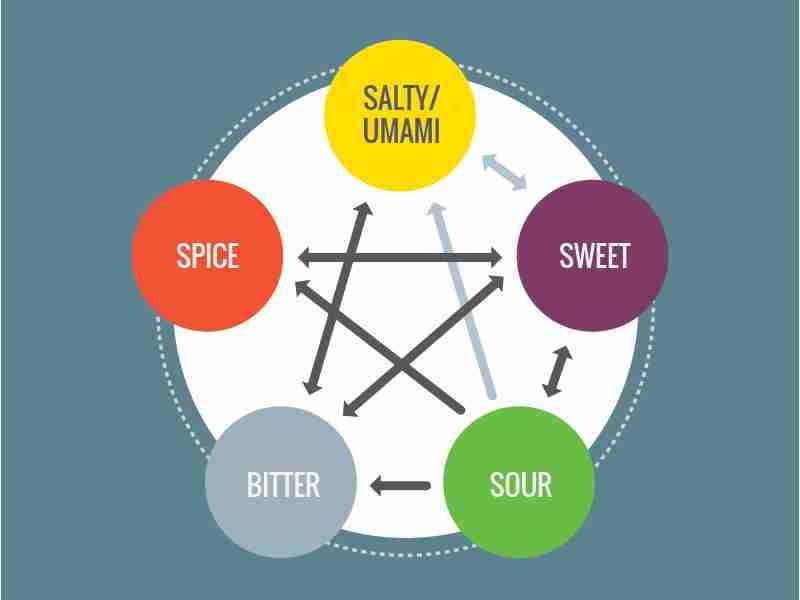
Exploring innovative methods for enhancing flavor profiles
When it comes to enhancing flavor profiles in cereal processing, there are a multitude of innovative methods that can be explored to elevate the taste experience for consumers. One such method is the use of unique ingredients such as exotic fruits, spices, and nuts. By incorporating unexpected flavors into traditional cereal recipes, manufacturers can create a product that stands out on the grocery store shelves.
Another approach to enhancing flavor profiles is through the process of flavor infusion. This technique involves infusing the cereal grains with flavorful liquids such as fruit juices, extracts, or even coffee. The infusion process allows the grains to absorb the liquid, resulting in a burst of flavor with every bite. Additionally, experimenting with different cooking methods, such as toasting or air frying, can also add depth and complexity to the overall flavor profile of the cereal.

Recommendations for maintaining quality and freshness in cereal products
Storage: Store cereal products in a cool, dry place away from direct sunlight to maintain freshness and quality. Avoid storing them near sources of heat or moisture, such as stoves or dishwashers, as this can cause them to spoil faster.
Sealing: When not in use, make sure to seal cereal products in airtight containers to prevent exposure to air and humidity, which can lead to staleness. Consider using resealable bags or containers with tight-fitting lids to keep your favorite cereals crisp and delicious for longer.
In Retrospect
As we come to the end of our journey into the fascinating world of cereal processing, we hope you have gained a newfound appreciation for the artistry and complexity involved in turning simple grains into the breakfast staples we enjoy every day. From ancient civilizations to modern industrial techniques, cereal processing has played a crucial role in shaping human history and culture. So next time you pour yourself a bowl of cereal, take a moment to marvel at the craftsmanship and ingenuity that goes into each and every bite. Thank you for joining us on this enlightening exploration of The Art of Cereal Processing.




