
In the quiet hum of the mill, the grains dance their intricate ballet, transforming from humble seeds into the golden treasure that is cereal. The art of cereal milling is a fascinating alchemy, where the raw potential of grains is unlocked and refined into the beloved breakfast staple we know and love. Join us as we delve into the intricate world of cereal milling, where grains are turned into gold through skill, precision, and time-honored traditions.
The Secret to Achieving the Perfect Cereal Grind
When it comes to perfecting the art of cereal milling, there is one key secret that separates the amateurs from the experts. It all comes down to finding the ideal grind size for your grains. The perfect cereal grind can make all the difference in the world when it comes to the texture, flavor, and overall quality of your cereal.
So, how do you achieve the perfect cereal grind? It all starts with choosing the right mill and setting the correct grind size. Experiment with different settings until you find the perfect balance that gives you the ideal texture and flavor for your cereal. Remember, the key is to find that sweet spot that turns grains into gold.

Exploring Traditional vs Modern Milling Techniques
In the world of cereal milling, there is a timeless debate between traditional and modern techniques. Traditional milling methods have been passed down through generations, each one adding its own touch of expertise and artistry to the process. These techniques often involve stone grinding or hand milling, resulting in a product that retains more of the natural flavors and nutrients of the grain.
On the other hand, modern milling techniques utilize advanced machinery and technology to streamline the process and increase efficiency. While this may result in a higher quantity of product, some argue that the quality and taste of the final product may be compromised. The use of roller mills and other industrial methods can sometimes strip away the nuances and flavors that make each grain unique.
Selecting the Right Grain Mill for Your Home Kitchen
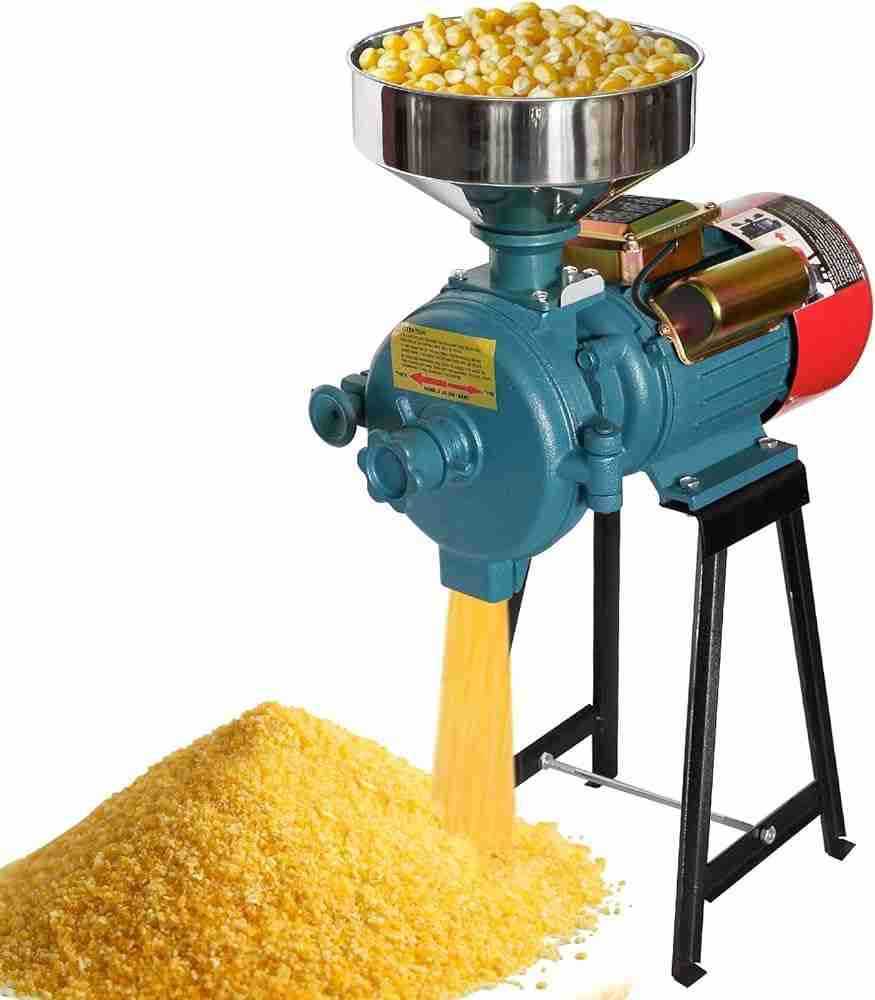
can feel like embarking on a journey through the art of cereal milling. With so many options available on the market, it’s important to consider factors such as the type of grains you’ll be working with, how fine you want your flour to be, and the overall durability and functionality of the mill. By carefully evaluating your needs and preferences, you can ensure that you find the perfect mill to turn grains into gold in your kitchen.
One key aspect to keep in mind when choosing a grain mill is the type of milling mechanism it uses. Some mills use stones to grind grains, while others use metal burrs or impact mills. Each type of mechanism offers its own unique advantages, such as the ability to create fine or coarse flour, the speed of milling, and the overall texture of the final product. Consider your desired outcome and the types of grains you plan to mill when deciding on the best mechanism for your needs. Additionally, think about other features such as ease of cleaning, noise level, and the capacity of the mill to ensure that you find the perfect balance of functionality and convenience for your kitchen.
Maximizing Flavor and Nutrition Through Freshly Milled Cereals
When it comes to cereal milling, there is a true artistry in turning grains into gold. By freshly milling your own cereals at home, you not only maximize the flavor but also the nutrition of your grains. The process of milling grains releases essential oils and nutrients that are lost in pre-packaged, processed cereals. This means you are getting the full benefit of all the vitamins, minerals, and antioxidants packed inside each grain.
One of the key benefits of freshly milled cereals is the superior flavor profile. The taste of freshly milled grains is unparalleled, with a depth and complexity that is missing from store-bought options. Plus, by milling your own cereals, you have complete control over the coarseness of the grind, allowing you to customize the texture to your liking. So whether you prefer a fine flour for baking or a coarser grind for a heartier breakfast bowl, freshly milled cereals give you the freedom to experiment and tailor your meals to your taste preferences.
To Wrap It Up
In conclusion, the art of cereal milling is a fascinating and intricate process that transforms humble grains into a valuable commodity. From selecting the best grains to mastering the milling techniques, each step requires skill, patience, and precision. Whether it’s producing flour for bread or creating the perfect breakfast cereal, cereal milling truly is a form of alchemy that turns grains into gold. So the next time you enjoy a fresh loaf of bread or a bowl of your favorite cereal, take a moment to appreciate the craftsmanship and artistry that went into its creation. The world of cereal milling is truly a hidden treasure waiting to be discovered.




