
Take a journey into the fascinating world of cereal milling, where grains are transformed into the edible magic that fills our bowls every morning. In this article, we delve into the intricate art and science behind the process of turning raw grains into the breakfast staples we know and love. Join us as we explore the history, techniques, and innovations that have shaped this essential culinary practice.
Exploring the Ancient Craftsmanship of Cereal Milling
Cereal milling is an ancient craft that dates back thousands of years, where grains are meticulously transformed into the magical substance we know as flour. This process involves a series of intricate steps that require skill, precision, and a deep understanding of the grains being milled.
From preparing the grains for milling to the final product, cereal milling is a labor of love that results in the creation of various types of flour that can be used in a wide range of culinary delights. The craftsmanship involved in cereal milling is truly mesmerizing, as each step contributes to the overall quality and texture of the flour produced. By exploring the techniques and history of cereal milling, we gain a greater appreciation for the artistry and dedication that goes into producing this essential ingredient.
Unveiling the Science Behind Flour Production
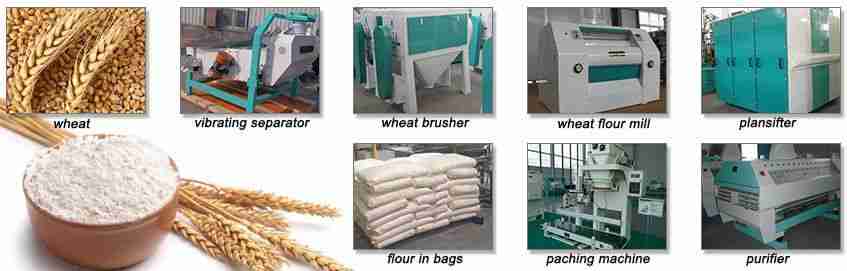
Flour production is a fascinating process that involves the transformation of grains into a versatile and essential ingredient. The art of cereal milling is a blend of science and tradition that results in the creation of flours of different textures and flavors, perfect for a wide range of culinary applications.
Through a series of carefully controlled steps, grains such as wheat, corn, and rice are ground into fine powders that form the basis of countless dishes around the world. The process involves cleaning, grinding, sifting, and packaging, all of which are crucial in ensuring the quality and consistency of the final product. Whether it’s for baking bread, making pasta, or thickening sauces, flour is truly a magical ingredient that plays a key role in our daily lives.

Mastering the Techniques of Grain Grinding and Sifting
Grain grinding and sifting is an ancient art that dates back thousands of years. From quern stones to modern industrial mills, the process of transforming grains into consumable magic has evolved over time. To master the techniques of grain milling, one must understand the importance of consistency and precision in grinding and sifting.
When it comes to grain grinding, the key is to achieve the perfect texture and fineness for the desired end product. This involves using the right type of mill, adjusting the settings for the desired coarseness, and ensuring a consistent grain feed. Sifting is equally important in the process, as it helps to remove impurities and ensure a uniform particle size. By , one can unlock the true potential of grains and create delicious flour for baking, cooking, and more.

Tips for Achieving Optimal Texture and Flavor in Milled Cereals
When it comes to milling cereals, achieving the perfect texture and flavor is truly an art form. To make sure your milled grains are transformed into consumable magic, here are some valuable tips to keep in mind:
- Select the right grains: The type of grain you choose plays a crucial role in determining the texture and flavor of the final product. Opt for high-quality grains that are fresh and properly stored.
- Adjust milling settings: Experiment with different milling settings to find the perfect balance between coarseness and fineness. The right setting can make all the difference in achieving the desired texture.
- Monitor moisture levels: Keeping an eye on the moisture content of the grains throughout the milling process is essential for optimal results. Too much moisture can lead to clumping, while too little can result in a dry and unappealing texture.
| Grain Type | Texture | Flavor |
| Wheat | Smooth | Nutty |
| Corn | Crunchy | Sweet |
| Oats | Chewy | Earthy |
Insights and Conclusions
In conclusion, cereal milling is truly a fascinating art form that has been perfected over centuries. From the humble grain to the crispy, flavorful cereal we enjoy every morning, the process of transforming grains into consumable magic is nothing short of miraculous. So the next time you pour yourself a bowl of cereal, take a moment to appreciate the craftsmanship and skill that went into creating such a simple yet extraordinary breakfast staple. Your taste buds will thank you!




