
Once considered a simple breakfast staple, cereal has evolved into an art form that begins with the intricate process of milling grains. From the humble origins of whole grains to the creation of golden flakes that grace our bowls each morning, the art of cereal milling is a fascinating journey filled with precision, innovation, and gastronomic delight. Join us as we explore the intricate world of cereal milling and discover the magic behind this beloved breakfast treat.
The Ancient Origins of Cereal Milling
Throughout history, the process of cereal milling has played a crucial role in transforming raw grains into the staple foods we know today. Dating back to ancient civilizations, such as the Egyptians and Romans, cereal milling was a painstaking art that required skill and patience. The milling process involved grinding grains into fine powders or flakes, which were then used to make bread, porridge, and other essential foods.
- Grains were first harvested by hand
- The grains were then cleaned to remove any impurities
- Once cleaned, the grains were ground using stone mills or other primitive tools
Over time, advancements in technology revolutionized cereal milling, making it faster and more efficient. Today, modern milling machines can process grains at a much higher rate, producing a wide range of cereal products that are enjoyed by people all over the world.
Mastering the Milling Process: Techniques and Tools
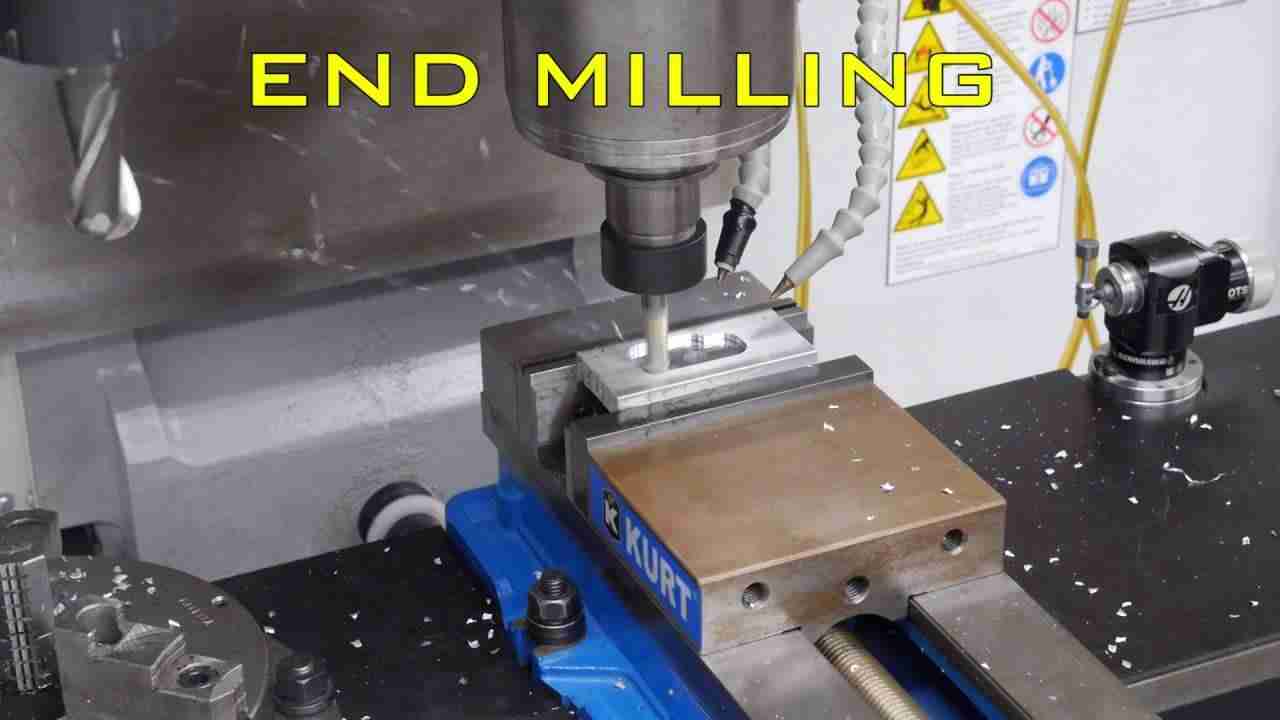
When it comes to mastering the milling process, there are a variety of techniques and tools that play a crucial role in transforming grains into those delicious golden flakes we all love. One key technique is the use of stone mills, which have been used for centuries to grind grains into flour. These mills work by crushing the grains between two large stones, resulting in a fine powder that is then sifted to remove any remaining husks or impurities.
Another important tool in the milling process is the roller mill, which is used to create cereals such as oats and barley. This machine works by passing the grains between a series of rollers that crush and flatten them into flakes. The thickness of the flakes can be adjusted by changing the spacing between the rollers, allowing for a customized final product. By utilizing these techniques and tools, cereal manufacturers can ensure that their products are of the highest quality and consistency, delivering that perfect crunch with every bite.
Preserving Freshness and Flavor: Tips for Storing Golden Flakes
Storing Golden Flakes:
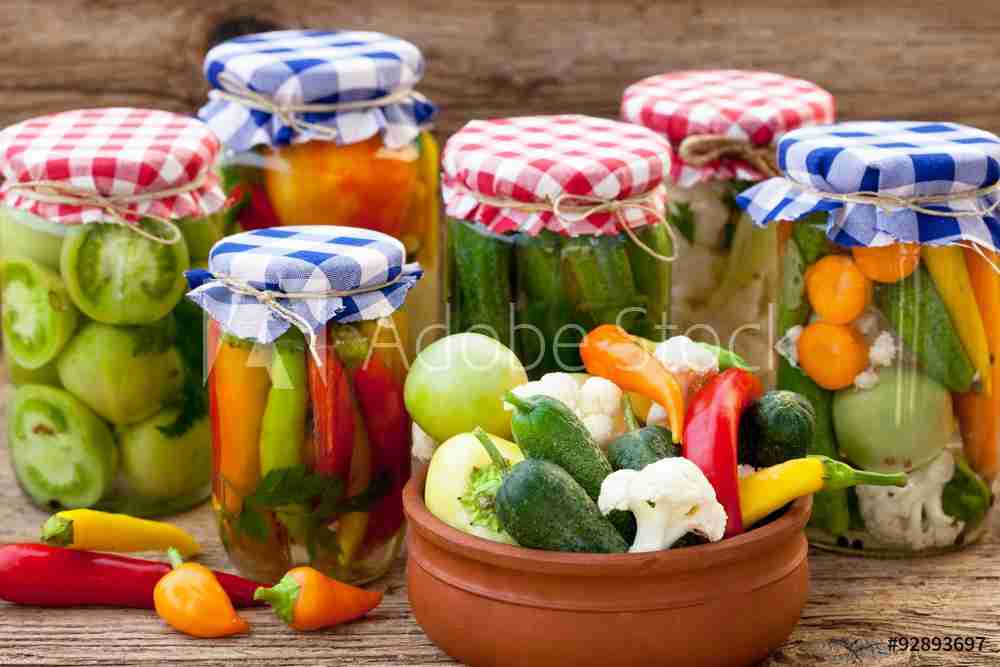
Proper storage is essential for preserving the freshness and flavor of your favorite golden flakes cereal. Here are some tips to help you keep your cereal in top condition:
- Store in an airtight container to prevent moisture from getting in and causing the cereal to become stale.
- Keep away from direct sunlight and heat sources, as this can degrade the flavor and aroma of the golden flakes.
- Place the container in a cool, dark pantry or cupboard to maintain optimal freshness.
By following these simple storage tips, you can enjoy your golden flakes cereal at its best for longer periods of time.
Exploring Innovative Flour Alternatives: Enhancing Nutrition and Taste
When it comes to transforming grains into the golden flakes that grace our breakfast table, the process of cereal milling is an art form in itself. From the selection of the highest quality grains to the precise grinding and sifting techniques, every step plays a crucial role in creating the perfect texture and flavor that we all love.
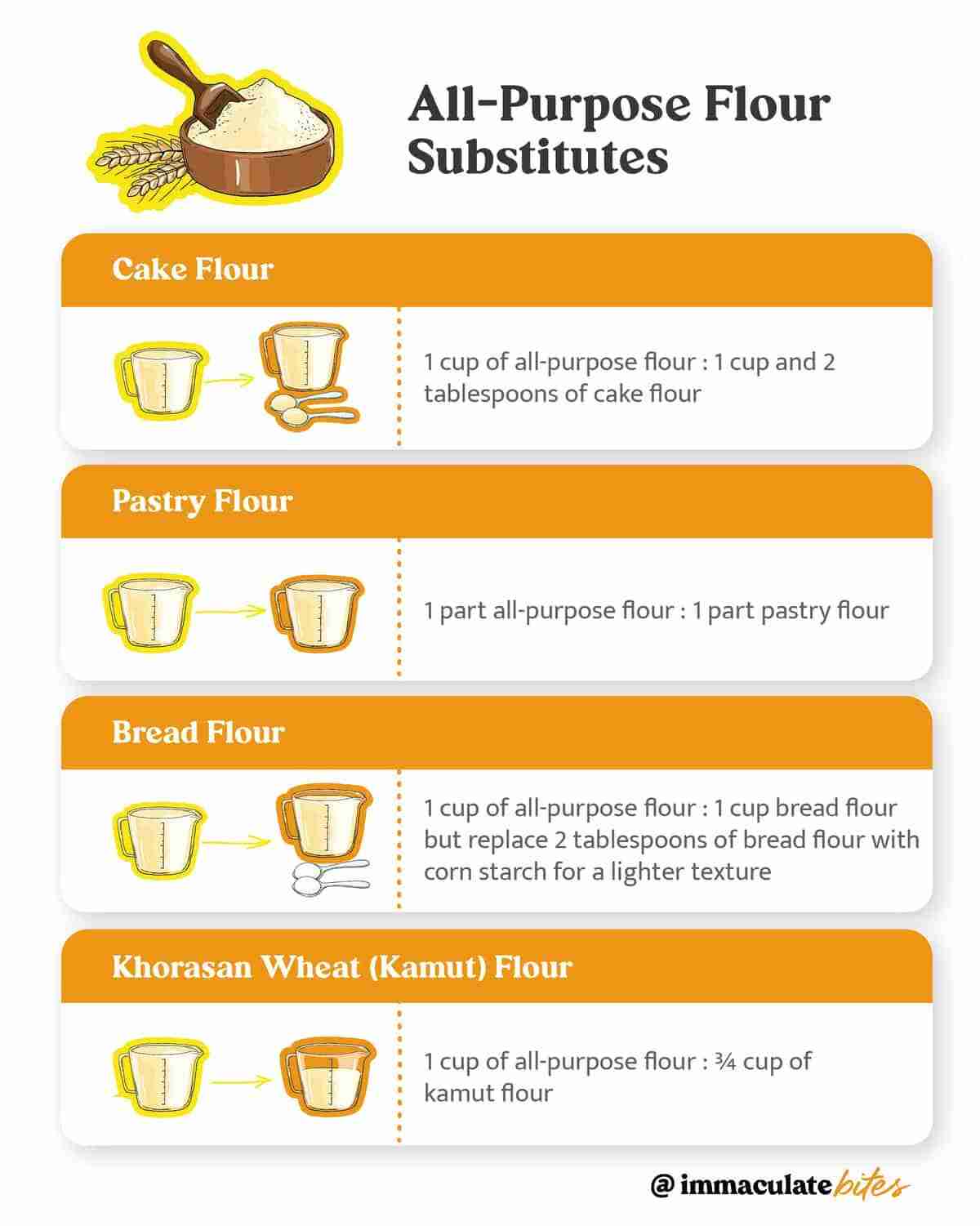
At the heart of this process lies innovation and creativity in exploring alternative flours that not only enhance the nutrition profile of our cereals but also elevate the taste experience. By incorporating unique ingredients such as quinoa, chickpea, or teff flours, cereal millers are able to offer a diverse range of options to cater to different dietary preferences and flavor preferences, ensuring that breakfast is never boring.
The Conclusion
As we delve into the intricate process of cereal milling, it becomes apparent that transforming grains into golden flakes is truly an art form. From the careful selection of grains to the precise milling techniques, every step in the process plays a crucial role in creating the beloved breakfast staple we all know and love. So the next time you enjoy a bowl of your favorite cereal, take a moment to appreciate the craftsmanship that goes into making those golden flakes that brighten up your mornings. In the world of cereal milling, every grain of wheat holds the potential for culinary magic.




