
In the quiet hum of a bustling mill, grains are meticulously transformed into the cornerstone of our kitchens: flour. The art of cereal milling holds within its dusty chambers the power to unlock the potential of humble grains, turning them into a versatile ingredient that forms the foundation of countless culinary creations. Join us on a journey through the intricate world of cereal milling, where each kernel tells a story of skill, tradition, and the alchemical magic of turning grain into flour.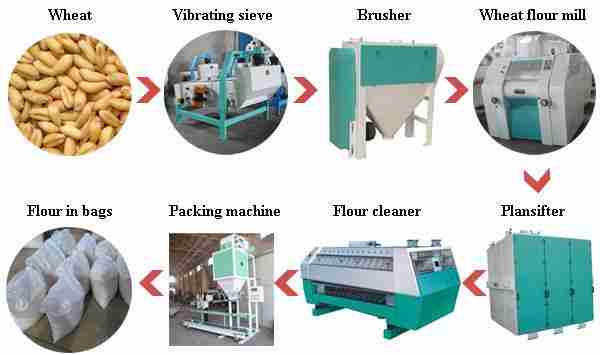
The Role of Cereal Milling in Food Production
When it comes to food production, cereal milling plays a crucial role in transforming grains into the versatile ingredient we know as flour. The art of cereal milling involves a series of intricate processes that result in different types of flour suitable for various culinary applications.
From cleaning and conditioning the grains to grinding and sifting them into fine powders, cereal milling requires precision and expertise. The quality of the flour produced ultimately determines the taste, texture, and overall outcome of the final food products. In the world of food production, cereal milling is a fundamental step that influences the success and satisfaction of consumers.

Key Factors Impacting the Quality of Milled Flour
When it comes to the quality of milled flour, several key factors play a crucial role in determining the final product. One of the most important factors is the type of grain used in the milling process. Different grains, such as wheat, corn, and rice, have unique characteristics that can greatly impact the quality of the flour produced.
Another key factor that influences the quality of milled flour is the milling process itself. The way the grains are processed, including factors such as grinding technique, speed, and temperature, can all affect the texture, flavor, and nutritional content of the flour. Additionally, storage conditions and the presence of contaminants can also impact the overall quality of the final product.

Innovative Technologies Revolutionizing Cereal Milling
One of the most fascinating transformations in the food industry is the evolution of cereal milling. Traditional methods of milling grains have been revolutionized by innovative technologies that enhance efficiency and quality. The process of turning raw grains into fine flour has become a fine art that combines science, engineering, and craftsmanship.
With the advent of sophisticated milling equipment, cereal milling has become more precise and customizable than ever before. New technologies such as roller mills, air classifiers, and sifters allow millers to control the texture, particle size, and nutritional content of the flour. This level of precision ensures consistent quality and allows for the production of specialty flours that cater to specific dietary needs and culinary preferences. The future of cereal milling is indeed a blend of tradition and innovation, where ancient grains meet cutting-edge technologies to create the perfect flour for every baking need.

Tips for Achieving Optimal Flour Texture and Nutrient Retention
When it comes to achieving optimal flour texture and nutrient retention, there are several key tips to keep in mind during the cereal milling process. One important factor to consider is the type of milling technique used, whether it be stone milling or roller milling. Stone milling tends to retain more of the grain’s nutrients due to its slower, gentler grind, while roller milling may result in a finer texture but may also lead to some loss of nutrients. It’s important to find the right balance between texture and nutrient retention for the desired end product.
Another tip for achieving optimal flour texture and nutrient retention is to carefully control the temperature during the milling process. Excessive heat can lead to nutrient loss, so it’s important to monitor and adjust the temperature as needed. Additionally, storing the flour properly after milling can help maintain its quality and freshness. By following these tips and paying attention to the details of the milling process, you can produce high-quality flour with a perfect texture and maximum nutrient retention.
Insights and Conclusions
As we conclude our exploration into the fascinating world of cereal milling, we have uncovered the intricate process of transforming grains into the versatile and essential ingredient that is flour. From ancient stone grinding methods to modern industrial milling technology, the art of cereal milling continues to evolve and adapt to meet the demands of a changing world. So next time you enjoy a warm loaf of bread or a delicious pastry, take a moment to appreciate the craftsmanship and innovation that goes into every grain of flour. Here’s to the timeless beauty and efficiency of cereal milling, a true art form that sustains us all.




