
In the bustling world of breakfast foods, one often overlooks the intricate process of cereal milling that transforms humble grains into the beloved crunch of a morning bowl. Join us on a journey through the art of cereal milling, where kernels are coaxed into flakes, O’s, and clusters through a symphony of machinery and expertise. From grain to grain, each step in this age-old process yields the crispy, satisfying start to the day that we all crave.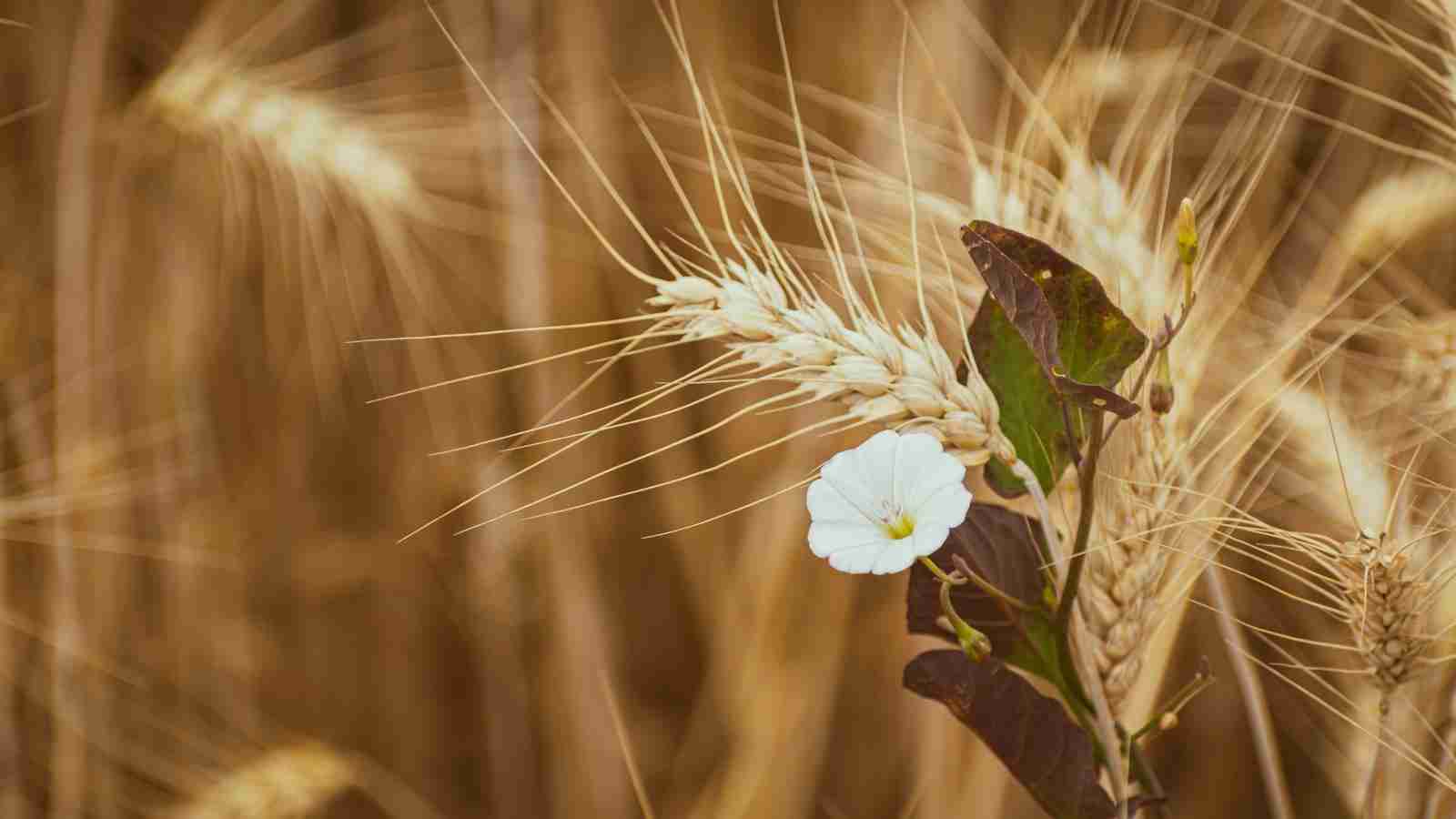
The Importance of Proper Grain Selection
When it comes to cereal milling, cannot be overstated. Choosing the right grains is the first step in the journey from raw material to finished product. Each type of grain brings its own unique characteristics, flavors, and textures to the final product, so selecting the right combination is essential for achieving the desired result.
Proper grain selection is not just about choosing the right types of grains, but also about ensuring that they meet the necessary quality standards. Grains that are too old or damaged may affect the taste, texture, and overall quality of the final product. By carefully selecting and inspecting each grain that goes into the milling process, millers can ensure that every batch of cereal meets their high standards of quality and consistency. In the end, the art of cereal milling is not just about turning grain into flour – it’s about selecting the right grains and transforming them into a delicious and nutritious end product.

Mastering the Milling Process for Optimal Results
When it comes to cereal milling, the process can be complex and nuanced, requiring a delicate balance of precision and skill. One of the key factors in is understanding the different types of grains and how they behave during the milling process. Each grain has its own unique characteristics that can impact the final product, so it’s essential to tailor the milling process to suit the specific grain being milled.
- Understanding grain moisture content and its effect on milling efficiency
- Adjusting milling speed and pressure for different types of grains
- Choosing the right milling equipment for the job
Additionally, attention to detail is crucial in achieving optimal results. From grain selection to storage and processing, every step of the milling process plays a role in the final product. By honing their craft and perfecting their technique, millers can unlock the full potential of each grain, transforming it from a simple seed to a versatile and nutritious ingredient.

Enhancing Flavor and Nutritional Value through Milling Techniques
Milling techniques play a crucial role in enhancing the flavor and nutritional value of cereals. By carefully processing grains from start to finish, millers are able to unlock a world of taste and health benefits that would otherwise remain hidden. Through the art of cereal milling, grains are transformed from simple seeds into a versatile ingredient that can be enjoyed in a variety of forms.
One key aspect of milling techniques is the ability to preserve the nutritional content of grains while also improving their overall flavor profile. By carefully selecting the right combination of milling processes, millers can extract important nutrients like fiber, vitamins, and minerals while also enhancing the natural flavors of the grains. This delicate balance allows for the creation of wholesome and delicious products that not only taste great but also provide essential nourishment for the body. With the right milling techniques, every grain has the potential to become a culinary masterpiece.

Achieving Consistency in Particle Size for Perfect Textures
When it comes to creating the perfect cereal texture, achieving consistency in particle size is key. This process of milling grains requires precision and expertise to ensure that each grain is processed to the ideal size for optimal texture in the final product. By carefully controlling the particle size, cereal manufacturers can achieve the desired crunchiness or softness that consumers crave.
One way to achieve consistency in particle size is through the use of advanced milling technologies that can finely grind grains to specific specifications. By utilizing cutting-edge equipment and techniques, cereal manufacturers can produce uniform particles that result in a consistent texture across their products. Additionally, implementing strict quality control measures throughout the milling process can help ensure that every grain meets the required size standards, leading to a more uniform and satisfying cereal experience for consumers.
Insights and Conclusions
From the humble beginnings of a single grain seed to the intricate process of milling, cereal production is truly an art form that has been perfected over centuries. The journey from grain to grain is a fascinating one, full of precision, innovation, and a deep respect for the natural world around us.
As we close the chapter on our exploration of the art of cereal milling, we hope that you have gained a newfound appreciation for this essential process that shapes our daily lives in ways we may not even realize. Whether you enjoy a simple bowl of cereal for breakfast or marvel at the intricacies of ancient milling techniques, there is no denying the impact that cereal milling has on our world.
We invite you to continue exploring the world of cereal production, to delve deeper into the history and science behind it, and to appreciate the artistry that goes into every grain of cereal we consume. Thank you for joining us on this journey, and may you never look at your morning bowl of cereal the same way again.




