In the intricate dance of agricultural ingenuity and industrial precision,maize milling stands as a crucial pivot in the food production chain,transforming humble grains into versatile products that feed millions. As global demand for maize-based goods continues to soar, the optimization of milling processes has emerged as a central challenge for producers seeking to enhance efficiency and sustainability.This article delves into the technical specifications that define modern maize milling operations, offering a comparative analysis of performance metrics across various technologies and methodologies. By examining key decision factors that influence the efficiency of milling processes, we aim to illuminate pathways for improvement, enabling stakeholders to make informed choices that align with both economic viability and environmental stewardship. Join us as we explore the multifaceted world of maize milling, where traditional practices meet innovative solutions in the quest for enhanced operational efficacy.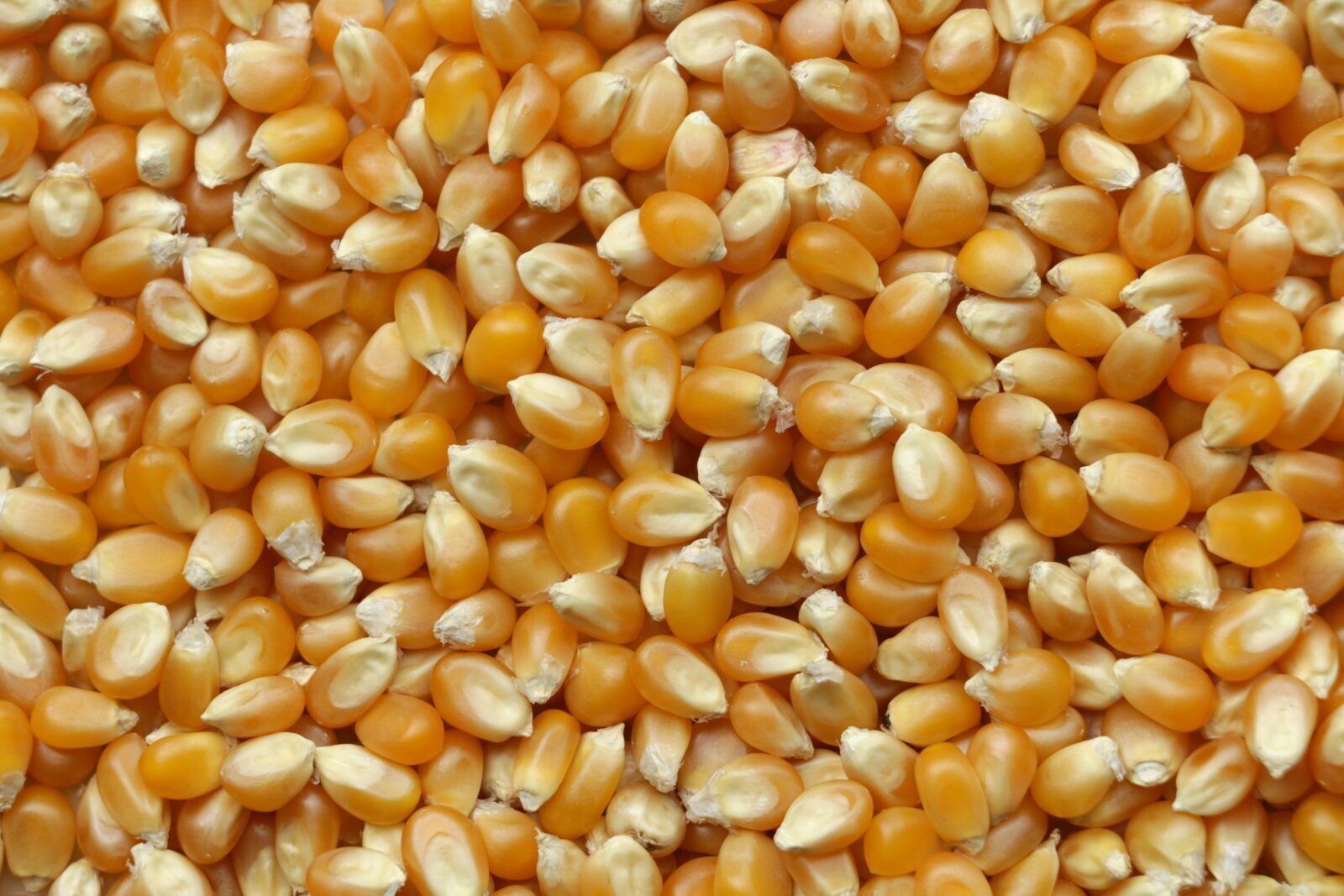
Enhanced Extraction Dynamics in Maize Milling: A Technical Examination of Machinery and Material Interaction
The dynamics of maize milling considerably hinge on the interrelationship between machinery specifications and the properties of the maize kernels themselves. Key mechanisms involved in enhanced extraction dynamics include impact, shearing, and grinding forces. Such as, roller mills utilize a differential speed to create a shearing action that efficiently breaks down the maize kernel while preserving the endosperm, leading to superior flour quality. A common specification to consider is the gap size between rollers; optimally setting this gap (typically between 0.5 to 1.5 mm) can maximize the extraction rate while minimizing heat generation,which might denature sensitive components. Additionally, the incorporation of stainless steel or ceramic materials in mill construction can decrease wear and ensure a consistent particle size distribution, contributing to higher milling efficiency.
Performance comparisons among different milling technologies reveal distinct advantages and limitations. for instance, while hammer mills provide rapid processing speed and can achieve a fine particle size, they tend to produce more heat and may result in a higher quantity of flour waste due to excessive fines. In contrast, disc mills offer greater control over particle size but may operate at slower speeds. The following table summarizes key performance factors across common milling machinery:
| Milling Type | Particle Size Control | Heat Generation | Extraction Rate |
|---|---|---|---|
| Roller Mill | Excellent | Low | High |
| Hammer Mill | Variable | High | Moderate |
| Disc Mill | Good | Moderate | High |
Other critical decision factors include moisture content of the maize, which should ideally remain around 13-14% for optimum milling. Moisture levels outside this range can affect the integrity of the kernel during processing, leading to reduced efficiency. Additionally, energy consumption should be monitored, as it directly impacts operational costs. Ideally, machinery should be calibrated based on specific throughput requirements, ensuring that energy use is proportional to the quantity of maize processed. Regular equipment maintenance and adjustments based on real-time performance metrics are also crucial for maintaining the desired extraction dynamics throughout the milling process.

comparative Performance Metrics in Maize Milling Technologies: Evaluating Efficiency Through Key Engineering Innovations
In the ever-evolving landscape of maize milling technologies, the comparative performance metrics hinge significantly on engineering innovations that enhance the efficiency of the milling process. Key parameters for evaluating these technologies include energy consumption, throughput, maintenance requirements, and product quality. For instance, advanced roller mill designs leverage precise controls and optimized roll profiles to minimize energy use while maximizing output. these innovations allow for adjustments in roll gap and request of differential speeds, which can effectively reduce the amount of energy required for grinding operations. In a recent study, a high-efficiency roller mill demonstrated up to a 20% reduction in energy consumption compared to traditional hammer mills, while also achieving superior particle uniformity.
When comparing various milling technologies, it’s essential to consider the limitations and trade-offs associated with different systems. For example, pin mills may excel in achieving finer particle sizes but at the cost of higher energy consumption and greater wear rates on components. Additionally,factors such as moisture content and kernel hardness can affect performance metrics significantly. The following table summarizes some common milling technologies and their performance characteristics, enabling a clearer understanding of their operational capabilities:
| Technology | Energy Efficiency (%) | Typical Throughput (kg/h) | Maintenance Requirements | Pros | Cons |
|---|---|---|---|---|---|
| hammer mill | 75 | 2000 | High | Versatile, inexpensive | High energy consumption, coarse outputs |
| Roller Mill | 80-90 | 3000 | Moderate | Uniform particle size, high throughput | Initial cost, sensitivity to kernel characteristics |
| Pin Mill | 70 | 1500 | Moderate to High | Fine milling, efficient in small batch sizes | Increased wear, less energy-efficient |
Integrating real-time monitoring systems can further elevate the milling performance. By implementing advanced sensors to monitor parameters such as vibration,temperature,and product flow rates,mill operators can make data-driven decisions that enhance operational reliability. Incorporating predictive maintenance strategies based on this data helps avoid unscheduled downtimes and improves the overall efficiency of the milling operation. Consequently, the choice of milling technology should carefully align with the specific operational needs, market demands, and flexibility requirements of the milling facility.
Precision in Milling Specifications: Balancing Quality and Yield in Maize Processing Operations
Precision in milling specifications is crucial for achieving a balance between quality and yield in maize processing operations. The milling process involves a series of mechanical treatments, including grinding, sifting, and polishing, which can directly impact both the nutritional value and marketability of maize products.Key specifications to consider include particle size distribution, moisture content, and extraction rate. For example, the desired particle size typically ranges from 400 to 500 microns for corn flour, which enhances water absorption during cooking without compromising texture.Moisture content should remain between 13-15% to prevent spoilage while ensuring optimal flow in milling equipment. An extraction rate of 70-75% is generally sought for quality maize flour, meaning that this percentage of the kernel’s weight is converted into a usable product, allowing for maximum yield while maintaining desired quality standards.
When assessing milling performance, several factors must be compared to identify the most efficient setup. Key performance indicators (KPIs) include throughput rate, energy consumption, and maintenance frequency. For instance, roller mills may produce finer flour but require higher energy consumption compared to impact mills, which, while more energy-efficient, might compromise flour quality if operated outside of their optimal conditions. Additionally, the choice of milling machinery affects the quality of the end product; a double-pass milling system can enhance flour quality by ensuring a more uniform particle size, but it also increases processing time and costs. Limitations such as equipment wear,variability in maize grain quality,and the influence of environmental factors should also be monitored meticulously. Regular calibration against industry standards can further refine processing practices,leading to better consistency in output quality and yield.

Navigating the Complexities of Maize Milling: Essential decision-Making Factors for Optimal Performance and Sustainability
Navigating the complexities of maize milling involves a comprehensive understanding of various decision-making factors that impact both performance and sustainability. Key parameters that contribute to optimal operation include:
- Mill Type and Configuration: Different milling technologies such as roller mills, hammer mills, and stone mills have unique specifications that affect particle size and consistency. For example, roller mills are preferred for uniform particle sizes, while hammer mills are more suited for coarser products.
- Energy Efficiency: Assessing energy consumption is crucial for sustainability. The efficiency metrics can be compared through a specific energy consumption (SEC) analysis, which allows operators to evaluate how much energy is required per ton of maize processed.
- Output Quality: consistency in flour quality, measured in terms of protein content, moisture levels, and particle size distribution, is essential for marketability. The use of sieve analysis and moisture testers can provide quantifiable data to refine processes.
- Maintenance and Downtime: An effective maintenance strategy incorporating predictive maintenance technologies can significantly reduce downtime. Implementing IoT sensors that monitor equipment conditions facilitates timely interventions, thus enhancing productivity.
Moreover, operational logistics such as feedstock quality and supply chain reliability play a vital role in sustaining optimal milling performance. Factors to consider also include:
- Raw Material Variability: The grade and moisture content of maize can impact milling efficiency. Preconditioning processes can be used to stabilize moisture, leading to better milling outcomes.
- Environmental Impact: Utilizing byproducts from milling, such as husks and germ, for bioenergy or animal feed reduces waste and enhances overall process sustainability.The implementation of a life-cycle assessment (LCA) can help in understanding the environmental ramifications.
- Regulatory Compliance: maintaining adherence to local and international food safety standards is non-negotiable. Regular audits and certifications ensure that operations meet these stringent requirements.
By thoroughly examining these interconnected decision factors, maize milling operations can achieve a fine balance between enhanced efficiency and sustainable practices.
To Conclude
In the dynamic world of maize milling, the quest for efficiency goes beyond mere production rates; it embraces a comprehensive understanding of the intricate processes involved. As we’ve explored the myriad technical specifications, performance comparisons, and essential decision-making factors, it becomes evident that optimizing these processes is not just a technical challenge, but an opportunity for sustainability and innovation.
As stakeholders in this industry ponder the findings presented, it’s crucial to remember that the path to enhanced efficiency is not a one-size-fits-all solution. Each milling operation must consider its unique context,resources,and goals. By leveraging the insights discussed and embracing a culture of continuous improvement, operators can not only enhance productivity but also contribute to a more resilient food system.
In delving deeper into these facets of maize milling, we encourage industry players to remain vigilant in adapting to evolving technologies and market demands. The future of maize milling lies not only in the machinery and methods employed but also in the collective knowledge and collaborative spirit within the industry. Let us toast to progress, one optimized kernel at a time.