
In the heart of countless kitchens and the foundation of diverse cuisines lies a humble grain that has nourished civilizations for centuries: maize. As versatile as it is vital, this golden crop has transcended its agricultural roots to become a staple in culinary traditions around the globe. Yet, the journey from field to fork is one marked by an intricate process that transforms raw maize into a myriad of delightful textures and flavors. Enter the world of maize milling—a transformative art that breathes life into grains, turning them into flour, meal, and other essential ingredients. In this exploration, we will uncover the fascinating techniques and technologies that underlie maize milling, spotlighting its significant role in both local markets and international food industries. Join us as we delve into the process that converts these golden kernels into culinary gold, enriching our plates and palates in ways both subtle and profound.
Understanding the Milling Process: From Whole Grains to Flour
The milling process is a transformative journey that takes whole grains and converts them into finely ground flour, ready for a myriad of culinary applications. At the heart of this process is the mill itself, where raw maize undergoes several stages to unlock its full potential. First, cleaning is essential; the grains are thoroughly inspected and purged of impurities such as stones, dust, and other foreign material. Once pristine, the maize is subjected to conditioning, where it is soaked to achieve the right moisture content. This step improves the milling efficiency, ensuring a finer, more consistent product.
During milling, the conditioned maize grains are gradually crushed between stainless steel rollers or grinding stones, breaking them down into smaller particles. This stage is crucial, as it determines the texture and quality of the flour produced. The powdered maize is then separated into various grades through a series of sifting processes. Each grade serves a specific purpose in cooking and baking. Here’s a simple breakdown of the flour types obtained:
| Flour Type | Description | Common Uses |
|---|---|---|
| Coarse Flour | Grounded maize with larger particles. | Tortillas, Cornmeal dishes |
| Medium Flour | Perfectly balanced texture for versatility. | Breads, Muffins |
| Fine Flour | Very smooth, resembling traditional wheat flour. | Pastries, Cakes |
This meticulous process not only maximizes the nutritional value of maize, ensuring that each type of flour retains its essential qualities, but also highlights the intricate relationship between grain and culinary art. Understanding this process enriches appreciation for the effort involved in producing the essentials for everyday cooking, transforming humble grains into what can truly be called culinary gold.
The Nutritional Value of Maize: Unlocking Natures Potential
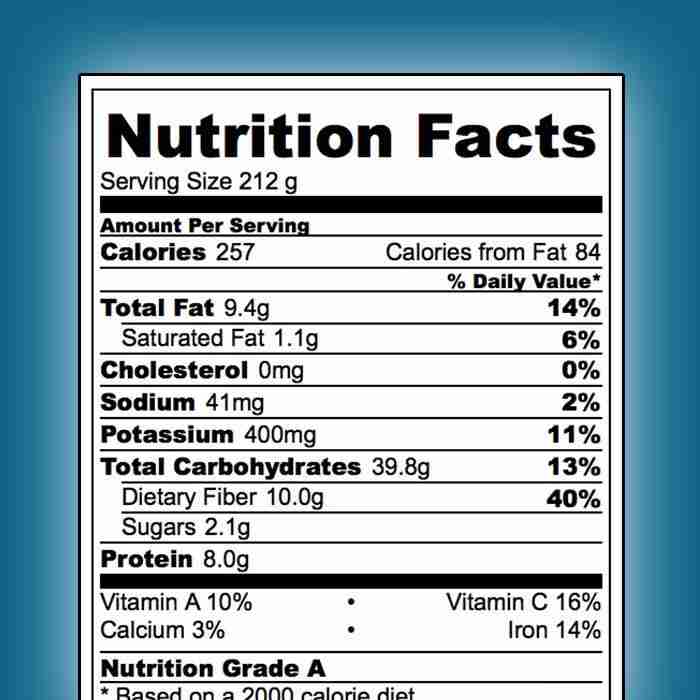
Underneath its vibrant golden hue, maize is a powerhouse of nutrition, offering a wealth of benefits that go beyond appearance. This versatile grain is packed with essential nutrients that are vital for overall health. The rich profile includes carbohydrates, providing energy for daily activities, while its decent protein content supports muscle growth and repair. Additionally, maize is a source of important vitamins such as B vitamins, which play a crucial role in metabolism and maintaining a healthy nervous system, and vitamin C, known for its antioxidant properties.
Moreover, maize comes equipped with minerals like magnesium, phosphorus, and iron, all of which contribute to various bodily functions, from bone health to oxygen transport in the bloodstream. The dietary fiber present in maize aids digestion and helps maintain a healthy weight by promoting satiety. The combination of these nutrients can support heart health, reduce the risk of chronic diseases, and enhance overall well-being. Here’s a quick overview of some of the key nutrients found in maize:
| Nutrient | Benefits |
|---|---|
| Carbohydrates | Primary energy source |
| Protein | Supports tissue repair |
| Vitamin B6 | Metabolism and immunity |
| Magnesium | Bone health and muscle function |
| Fiber | Aids digestion and promotes heart health |
Exploring Varieties and Their Culinary Uses: From Grits to Polenta
Throughout the culinary world, maize showcases a rich tapestry of textures and flavors, and its two most celebrated forms—grits and polenta—exemplify this versatility. Grits, a staple in Southern cuisine, are typically made from coarsely ground white or yellow corn. They can be served in a variety of ways, such as creamy with butter, cheese-infused, or even as a base for shrimp dishes. On the other hand, polenta represents a cornerstone of Italian meals, with its finely ground cornmeal providing a smooth, comforting foundation for rich sauces, grilled meats, or seasonal vegetables. The adaptability of both forms offers chefs and home cooks myriad possibilities, from breakfast bowls to elegant dinner presentations.
The unique processes of milling and preparation contribute to the distinct identities of grits and polenta, each presenting their own endearing qualities on the plate. The choice of using either form can influence the overall dish, allowing for playful culinary experimentation. Consider these uses in your cooking endeavors:
- Grits: Perfectly paired with fried chicken, layered in casseroles, or shaped into cakes and grilled.
- Polenta: Served soft with braised dishes, chilled and sliced, or incorporated into sophisticated appetizers.
- Texture Choices: Coarse or fine grind can dramatically affect the dish’s character, inviting chefs to tailor recipes to their liking.
| Type | Key Ingredients | Culinary Uses |
|---|---|---|
| Grits | Coarsely ground corn | Breakfast bowls, side dishes, casseroles |
| Polenta | Finely ground corn | As a base, appetizers, main courses |

Best Practices for Home Milling: Tips for Fresh and Flavorful Results
To achieve the best results when milling maize at home, it’s essential to select the right equipment. Consider investing in a quality grain mill that offers adjustable settings. This allows you to choose your desired texture, whether for fine flour or coarser meal. It’s also critical to *ensure your mill is clean and properly maintained*, as any residue from previous grains can affect flavor and purity. The milling process can generate heat, which may alter the taste of your flour, so aim to mill in smaller batches to keep the grains cooler and preserve their fresh flavor. Additionally, the timing of your milling matters; grinding your maize just before using it will harness the maximum nutrients and flavors.
Once you’ve milled your maize, proper storage is key to maintaining its freshness. Consider using airtight containers to protect your flour or meal from moisture and light, which can lead to spoilage. For long-term storage, freezing can be an excellent option. To help you visualize optimal storage practices, refer to the following table:
| Storage Method | Duration | Best For |
|---|---|---|
| Airtight Containers | 1-2 months | Short-term use |
| Vacuum-Sealed Bags | 3-4 months | Medium-term use |
| Freezer | 6-12 months | Long-term storage |
Experimenting with different types of maize can also yield exciting results. Consider blending various varieties to discover unique combinations of flavor profiles that suit your culinary needs. Remember, freshly milled maize brings a depth and richness to dishes that is unmatched by store-bought products, so don’t hesitate to be adventurous in your milling endeavors!
In Retrospect
As we conclude our exploration of maize milling, it becomes clear that this age-old process is more than just a means of transforming grains into flour; it is an art form that nourishes cultures, fuels economies, and inspires creativity in the kitchen. From the rhythmic whir of the mill to the delicate interplay of textures in a freshly baked dish, each step in the milling journey carries with it a rich tapestry of tradition and innovation. Whether you’re savoring a warm tortilla at a bustling market or incorporating cornmeal into a beloved family recipe, the fruits of maize milling are present in every bite, a testament to the skill and dedication of those who master it. As we savor the culinary gold derived from humble maize, let us appreciate the remarkable journey this grain undertakes—from field to mill to table—enriching our diets and connecting us to the land. In the grand tapestry of food, maize milling stands as a vital thread, weaving together flavor, culture, and history in ways that continue to inspire and delight.




