
Harvest to Flour: The Journey of Cereal Milling Explained
In the grand tapestry of food production, few processes are as transformative as cereal milling, where humble grains morph into the essential flour that serves as the foundation of countless recipes. From the sun-kissed fields where golden wheat ripens to the intricate machinery of modern mills, the journey from harvest to flour is a fascinating saga of nature and technology working in harmony. This article invites you to delve into the step-by-step evolution of cereal milling, uncovering the age-old traditions and contemporary innovations that shape our daily bread. Whether you’re a seasoned baker or simply curious about the origins of your food, join us as we explore the intricate path that grains traverse on their way to becoming the versatile ingredient we often take for granted.
Understanding the Cereal Life Cycle from Farm to Mill
The journey from seed to flour unfolds as a fascinating tapestry of cultivation, care, and craftsmanship. Understanding this process begins with the agricultural phase, where various types of cereals like wheat, barley, and oats are meticulously cultivated. During this phase, farmers engage in a series of practices, including:
- Soil Preparation: Ensuring the soil is fertile and suitable for sowing.
- Sowing: Planting seeds at optimal times to maximize growth.
- Pest Control: Managing pests organically or chemically to protect the crop.
- Harvesting: Collecting the mature grains when they reach peak ripeness.
Once harvested, the cereals are transported to milling facilities where the transformation into flour begins. The milling process is a symphony of techniques and machinery designed to produce high-quality flour. Key stages in this phase include:
- Cleaning: Removing impurities, stones, and unwanted materials from the grain.
- Conditioning: Adjusting moisture levels to prepare grains for milling.
- Milling: Grinding the grains into flour using rollers and sifting to achieve the desired consistency.
- Pack & Ship: Bagging the flour for distribution to retailers and consumers.
Here’s a simplified overview of the cereal life cycle:
| Phase | Activities |
|---|---|
| Agriculture | Soil Prep, Sowing, Pest Control, Harvesting |
| Milling | Cleaning, Conditioning, Milling, Pack & Ship |
Unlocking the Milling Process: Techniques and Innovations
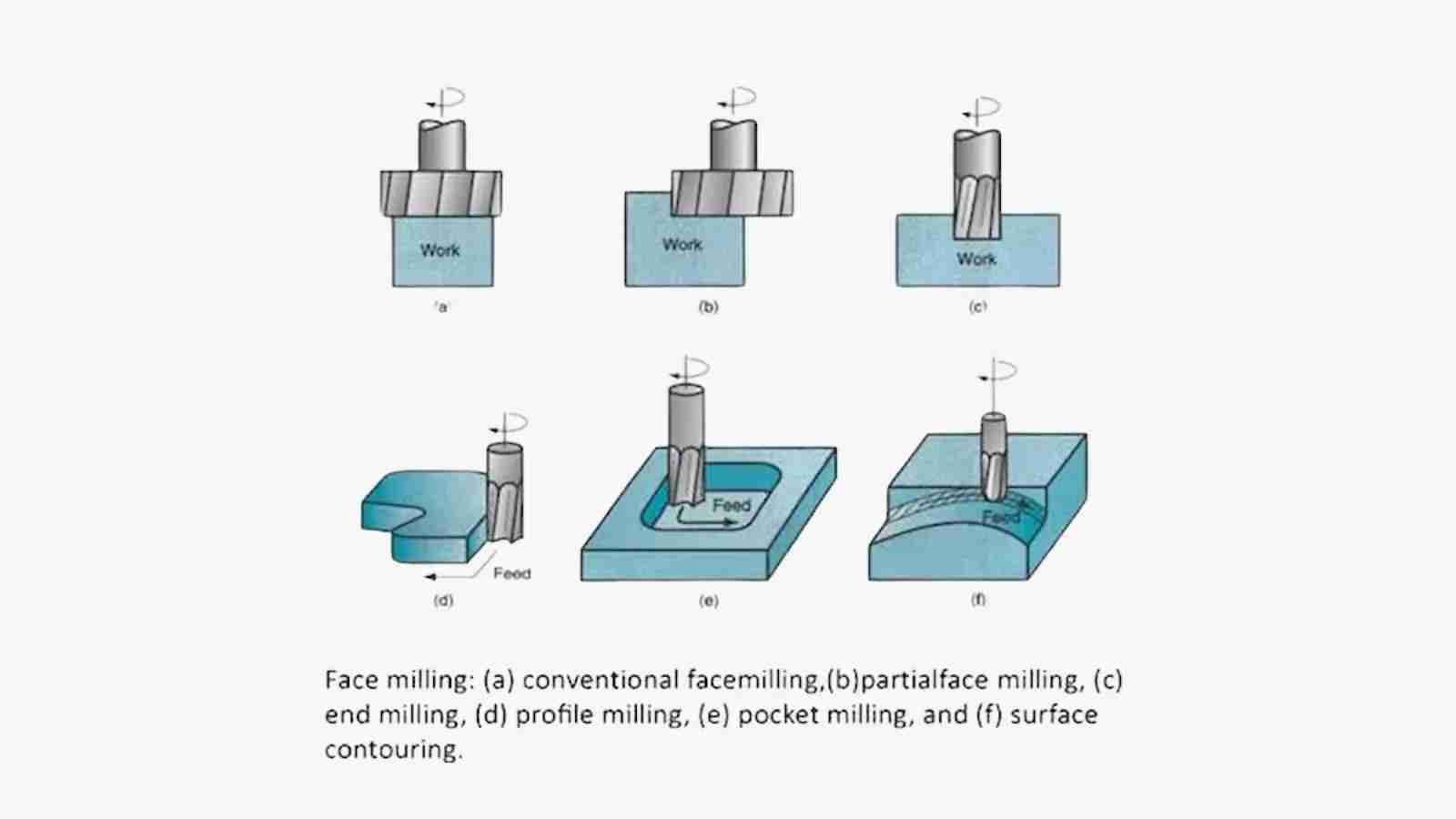
The journey from grain to flour is not merely a transformation but a complex orchestration of techniques that harmonize tradition with modern innovations. The key processes in milling, such as grinding, sifting, and purification, combine age-old methods with cutting-edge machinery. Techniques like stone milling, which uses natural stones to grind grains, preserve the grain’s essential nutrients and flavor, while roller milling, a more contemporary method, increases efficiency and consistency. New technological advancements, such as digital monitoring systems, have also revolutionized quality control, ensuring that every batch meets stringent standards for moisture content and particle size.
Moreover, innovative approaches to milling are reshaping our understanding of grain’s potential. For instance, the introduction of enzymatic treatments enhances flour quality by allowing for better dough elasticity and improved baking performance. In addition, sustainability practices, such as using renewable energy sources and minimizing waste, are becoming integral to modern milling operations. The evolving landscape also sees a rise in specialty flours, catering to dietary trends such as gluten-free or high-protein options. By marrying traditional techniques with contemporary innovations, the milling process continues to adapt and thrive in a rapidly changing world.
Nutritional Value: How Milling Affects Whole Grains
When whole grains are milled, the process transforms their nutritional profile significantly, affecting both the quality and quantity of essential nutrients. During milling, the outer bran and germ layers of the grain are often removed to produce a finer flour. While this yields a softer texture, it also means that many important nutrients are lost. Whole grains are typically rich in:
- Fiber: Aids digestion and promotes heart health.
- B Vitamins: Essential for energy metabolism and the nervous system.
- Minerals: Such as iron, magnesium, and zinc, crucial for various bodily functions.
The removal of these components means that the processed flour can lack the critical elements that contribute to a balanced diet. For instance, the difference in mineral content can be pronounced. To illustrate this, consider the following table comparing whole wheat flour with refined white flour:
| Nutrient | Whole Wheat Flour (per 100g) | Refined White Flour (per 100g) |
|---|---|---|
| Fiber | 12g | 3g |
| Iron | 3.6mg | 0.3mg |
| Magnesium | 118mg | 22mg |
This stark contrast highlights the importance of whole grains in promoting nutritional well-being. Maintaining as much of the original grain structure as possible through minimal milling can help retain these nutrient-rich components, ensuring that those who consume whole grains benefit from their health-promoting properties.
Sustainable Practices in Modern Cereal Milling
The modern cereal milling process is increasingly embracing sustainability, driven by a commitment to reduce environmental impact and promote efficient resource management. Innovative technologies are being deployed at various stages of milling, ensuring that every grain of cereal is utilized effectively. Reduction of energy consumption is a key focus, with techniques such as streamlined grinding processes and energy-efficient machinery being implemented. Moreover, transitioning to renewable energy sources—like solar and wind power—has become a common practice, significantly lowering carbon footprints associated with milling operations.
In addition to energy efficiency, sustainable practices also extend to waste management and byproduct utilization. Milling facilities are now employing methods to recycle and repurpose byproducts from the milling process, creating value from materials that would otherwise be discarded. This includes using bran and germ fractions for animal feed or as nutritional supplements, thereby reducing waste. Furthermore, many mills engage in partnerships with local farmers to promote sustainable agriculture, ensuring that the crops harvested are grown with minimal chemical inputs and sustainable farming practices. Such collaborative approaches not only foster a circular economy but also support climate resilience in farming communities.
To Wrap It Up
As we draw the curtain on the intricate journey from harvest to flour, we find ourselves at the crossroads of nature and innovation. Each grain of wheat, barley, or corn carries with it the essence of the fields from which it springs, a story woven through time and tradition. The milling process, with its blend of age-old techniques and modern advancements, transforms this raw bounty into the foundation of countless meals across the globe.
Understanding this journey not only deepens our appreciation for the simple loaf of bread on our table but also highlights the immense effort and technology involved in bringing it to life. As we savor the fruits of the harvest, let us remain mindful of the diligent hands that shaped this journey—from the farmers tending their crops to the millers crafting our flour.
The next time you sift flour or knead dough, take a moment to reflect on the transformation that unfolds behind the scenes. Behind every bite lies a testament to resilience, craftsmanship, and the enduring relationship between humanity and the land. Thus, as our exploration concludes, we invite you to celebrate the journey of cereal milling, a remarkable path paved with grain, that continuously nourishes and inspires us all.




