
In a world where convenience often trumps tradition, the age-old craft of cereal milling stands as a testament to the artistry and ingenuity of ancient civilizations. From the humble grain to the fragrant flour, the process of grinding grains has evolved over centuries, shaping the way we nourish ourselves and celebrate cultural heritage. Join us as we delve into the intricate world of cereal milling, exploring the techniques, tools, and traditions that continue to shape our culinary landscape.
The Science Behind Cereal Milling
Understanding the process of cereal milling involves delving into the intricate science behind grinding grains into the fine powders that make up our favorite cereals. At the heart of cereal milling is the grinding of grains, which involves breaking down the kernels to release the nutrients and flavors locked within. This process requires precision and attention to detail to ensure that the grains are milled to the perfect consistency.
One key aspect of cereal milling is the use of different milling techniques to achieve the desired results. From stone milling to roller milling, each method has its own unique advantages and drawbacks. Stone milling, for example, is known for producing flour with a coarser texture and more flavor, while roller milling is favored for its efficiency and consistency. The choice of milling technique can have a significant impact on the final product, making it a crucial consideration for cereal manufacturers.

Discovering the Perfect Grind: Factors to Consider
When it comes to achieving the perfect grind for your grains, there are several important factors to consider. One key aspect to keep in mind is the type of grain you are milling. Different grains require different grinding methods to achieve the desired consistency. Factors such as the hardness of the grain and the moisture content can affect the final grind.
Another important consideration is the milling equipment being used. The type of mill, the speed at which it operates, and the size of the grinding burrs all play a role in determining the final grind. Additionally, the coarseness or fineness of the grind can be adjusted to suit your specific needs. Experimenting with different settings and techniques can help you discover the perfect grind for your grains, resulting in a more flavorful and nutritious end product.

Mastering Different Milling Techniques
When it comes to grinding grains, the art of cereal milling involves to achieve the desired texture and consistency. One popular technique is stone milling, where grains are crushed between two large stones to produce flour. This method is known for preserving the natural flavors and nutrients of the grains, making it a favorite among artisan bakers and chefs.
Another technique is roller milling, where grains are passed through a series of rollers to break them down into smaller particles. This process is efficient and yields a fine, uniform flour that is ideal for commercial baking and food production. By understanding the intricacies of these different milling techniques, you can unlock the full potential of your grains and create delicious and nutritious products with ease. Experimenting with various methods and finding the perfect balance between them is key to mastering the art of cereal milling.
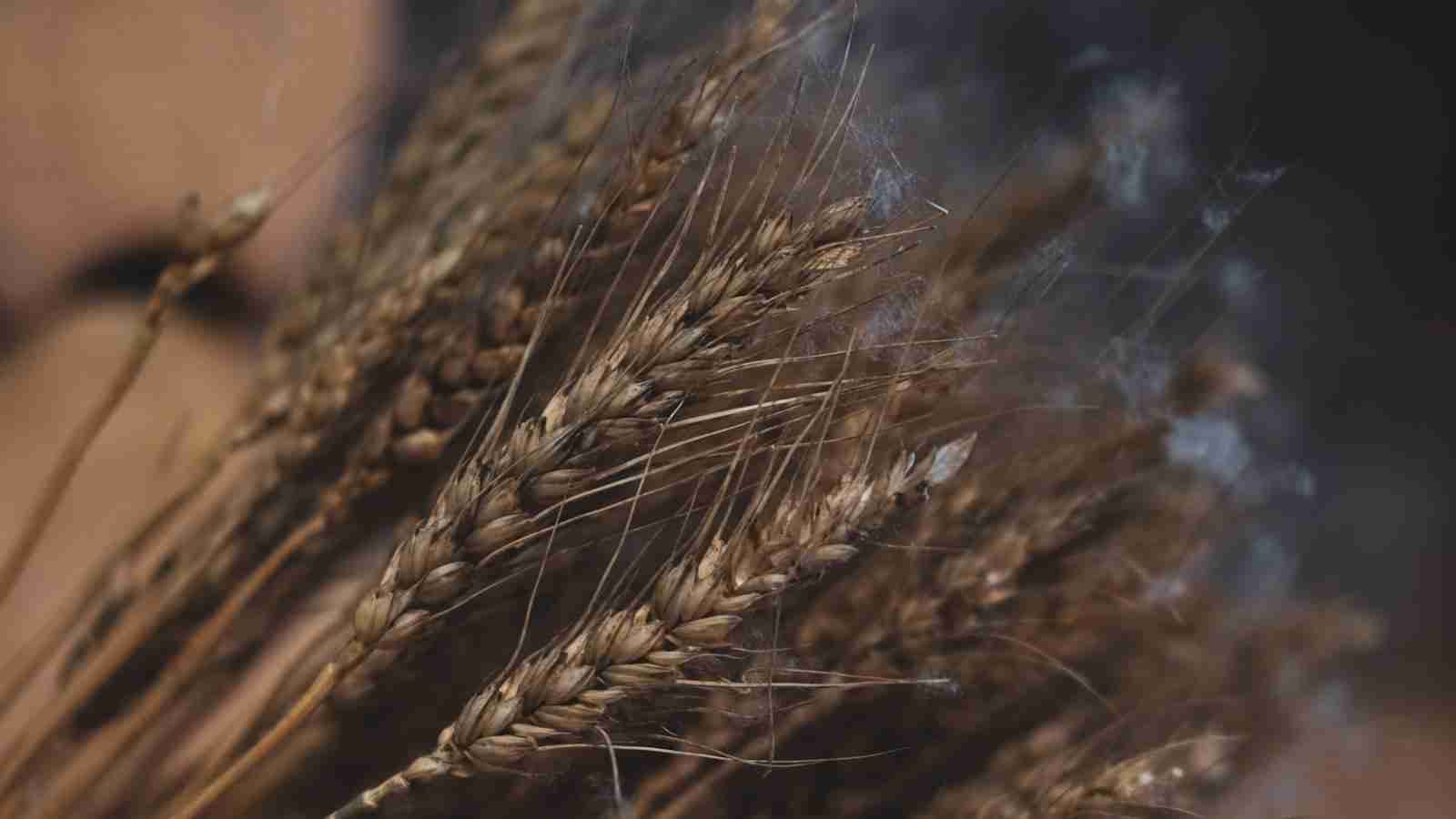
Exploring the Variety of Grains for Milling
When it comes to cereal milling, there is a wide range of grains that can be ground to create flour for baking and cooking purposes. Each type of grain offers a unique flavor profile and nutritional benefits, making the art of milling an exciting exploration of different tastes and textures.
- Wheat: A staple grain used for making bread, pasta, and pastries.
- Rye: Known for its earthy flavor and often used in rye bread and whiskey production.
- Corn: Versatile grain used in cornmeal, grits, and tortillas.
Other grains like barley, oats, and spelt also offer their own distinct characteristics when milled. Experimenting with different grains can open up a world of culinary possibilities, from creating hearty whole grain loaves to delicate pastries with a nutty undertone. The process of grinding grains allows for customization of flour coarseness, giving bakers the freedom to achieve the perfect texture for their recipes.
| Grain | Common Use |
|---|---|
| Quinoa | Salads, soups |
| Buckwheat | Pancakes, noodles |
Wrapping Up
In conclusion, the process of grinding grains is truly an art form that has been perfected over centuries. From ancient civilizations to modern milling techniques, the importance of cereal milling cannot be underestimated. Through skillful manipulation and dedication to the craft, millers have been able to transform simple grains into the staple foods that nourish us every day. As we reflect on the rich history and techniques of cereal milling, let us appreciate the beauty and precision that goes into each batch of flour produced. So, the next time you enjoy a slice of bread or a bowl of cereal, take a moment to acknowledge the artistry and skill that went into grinding those grains.




