
In the heart of countless kitchens around the world, corn kernels are transformed into the golden sustenance that has nourished civilizations for centuries. Meet the humble yet indispensable maize milling process, where grinding for gold takes on a whole new meaning. Join us on a journey into the intricate art of maize milling, where tradition meets innovation to create an essential staple that feeds billions.
– History of Maize Milling: From Ancient Techniques to Modern Innovations
Maize milling has a long and storied history, dating back to ancient times when civilizations first began cultivating and harvesting corn. From the humble beginnings of grinding corn by hand to the modern innovations of automated milling machines, the art of maize milling has evolved over the centuries.
Throughout history, maize milling techniques have varied greatly depending on the region and the available technology. Innovations such as water-powered mills, hand-cranked grinders, and industrial milling machines have revolutionized the way corn is processed and turned into a staple food around the world. Today, modern innovations in maize milling technology continue to improve efficiency and quality, making it easier than ever to produce high-quality corn products on a large scale.
– The Science Behind Maize Milling: Understanding the Process
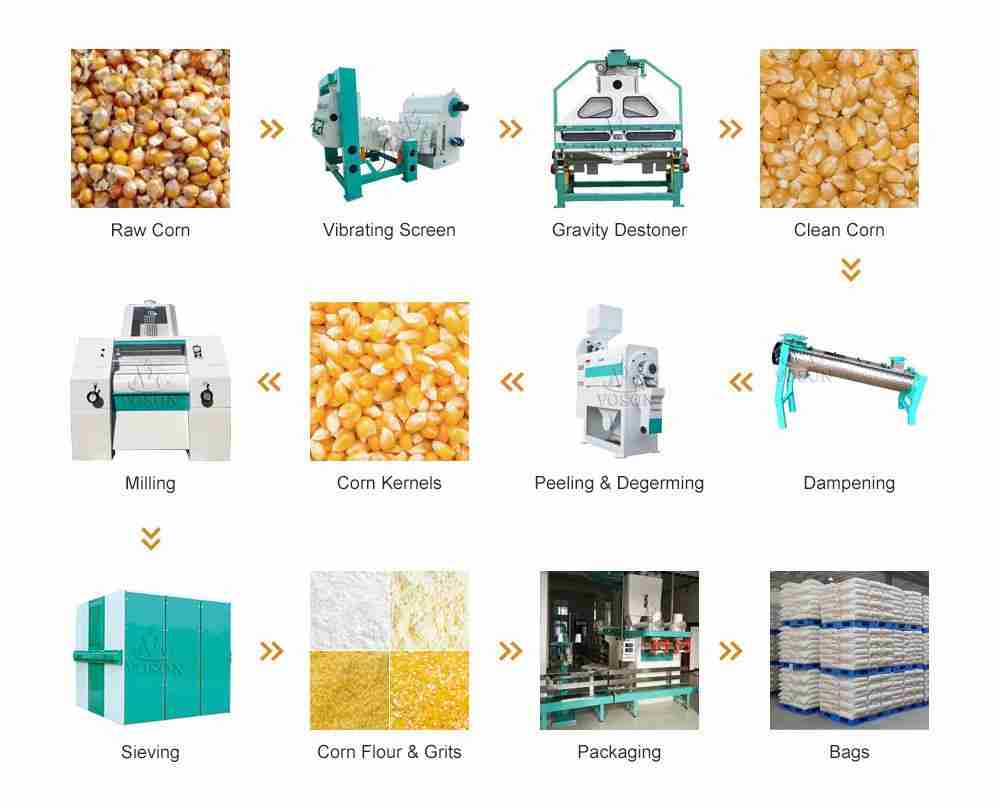
Maize milling is a process that has been perfected over centuries, combining both art and science to produce the much-loved staple food in many cultures around the world. The key to understanding this process lies in the grinding of the maize kernels to extract the valuable nutrients and create a fine flour that can be used in a variety of dishes.
During the maize milling process, each step plays a crucial role in ensuring the final product is of the highest quality. From cleaning and conditioning the maize kernels to grinding and sifting the flour, every stage requires precision and expertise. Through the careful balance of moisture levels, grinding techniques, and sifting methods, maize milling transforms raw maize into a versatile ingredient that can be used in everything from tortillas to porridges.
– Tips and Tricks for Perfecting Your Maize Milling Techniques
When it comes to perfecting your maize milling techniques, there are a few key tips and tricks that can make all the difference in achieving optimal results. One important aspect to consider is the quality of the maize kernels you are using. Make sure to source high-quality maize that is free from any impurities or contaminants, as this will greatly impact the final product.
Another tip for successful maize milling is to adjust the settings on your milling machine according to the desired final product. Finer flour requires a tighter setting, while coarser flour necessitates a looser setting. Experiment with different settings and take note of the results to find the perfect setting for your specific milling needs. Remember, practice makes perfect when it comes to the art of maize milling!
To Conclude
As we conclude our exploration into the ancient craft of maize milling, we are reminded of the sheer determination and skill required to transform a humble grain into a staple food enjoyed by millions around the world. The art of maize milling is not just a process of grinding for gold, but a testament to the ingenuity and resourcefulness of humankind. So, the next time you bite into a fresh tortilla or savor a hearty bowl of cornmeal porridge, remember the journey that each grain of maize has taken to nourish and sustain us. May we continue to appreciate and honor the hard work and artistry of those who labor tirelessly to bring us the golden goodness of maize.




