
Grind to Perfection: The Art and Science of Maize Milling
In the heart of countless kitchens around the world, a humble grain is transformed into a staple that has sustained civilizations for millennia: maize. From the bustling markets of Mesoamerica to the artisanal mills of Europe, maize flour carries with it stories of tradition, innovation, and the relentless pursuit of excellence. Yet, behind the aromatic wafts of freshly milled corn lies a fascinating interplay of art and science. The journey of maize from field to flour is a meticulous process, where the right techniques and technologies converge to unlock the grain’s full potential. This article delves into the intricacies of maize milling, exploring the methods that elevate a simple ingredient into a foundational element of countless cuisines. Join us as we navigate the grind to perfection, illuminating the skilled craftsmanship and scientific principles that define this essential practice.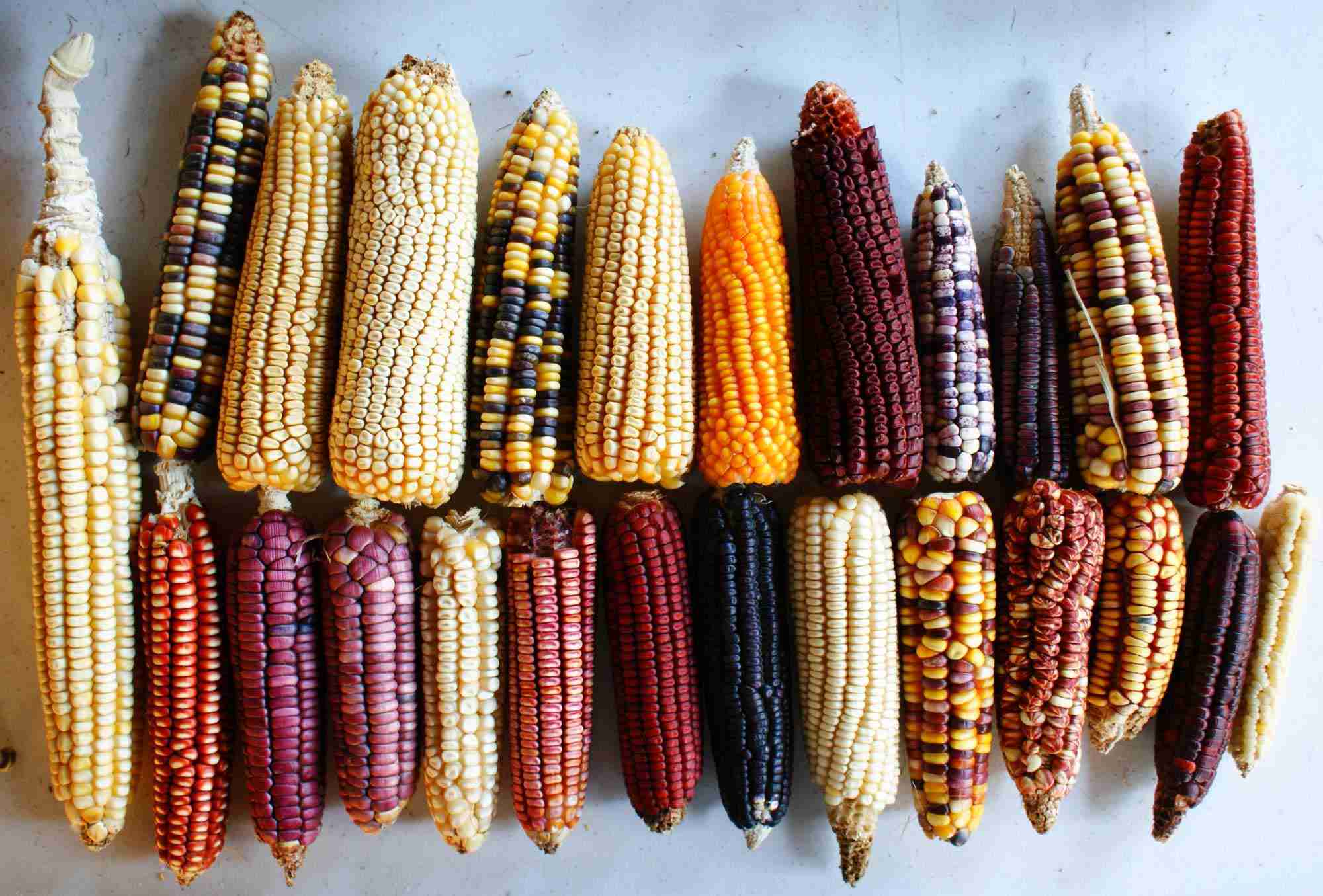
The Journey of Maize from Field to Flour
The transformation of maize from a vibrant field crop to fine flour is a meticulous process steeped in both technique and tradition. The journey begins with cultivation, where farmers nurture their maize, selecting optimal seeds and ensuring they thrive through careful irrigation and pest management. Once harvested, the maize enters the cleaning and conditioning phase, where impurities are removed and the grains are prepared for milling. This step is crucial; it enhances the quality of the final product, ensuring that only the best grains are processed further.
Next comes the heart of the milling process, which can be likened to a symphony of machinery and craftsmanship. Several key stages play a role in achieving the perfect flour consistency:
- Breaking: Grains are crushed into smaller pieces to expose the endosperm.
- Sifting: The crushed material is sifted to separate fine flour from the larger particles.
- Reduction: The remaining large particles are further ground to achieve the desired fineness.
- Purifying: Additional sieving removes any remaining bran or germ, refining the flour’s texture.
Below is a summary of the key aspects involved in maize milling:
| Stage | Function |
|---|---|
| Harvesting | Collecting mature maize plants from the field. |
| Cleaning | Removing debris, stones, and damaged grains. |
| Milling | Grinding maize into flour through a series of processes. |
| Packaging | Sealing flour in bags for distribution to consumers. |
The precision in each step ensures that the flour produced isn’t just a product but a reflection of its journey, maintaining a connection between the earth and the end consumer. Each grain carries with it a story, from soil to shelf, embodying the art and science behind a staple ingredient revered across cultures.
Understanding the Milling Process: Techniques and Innovations
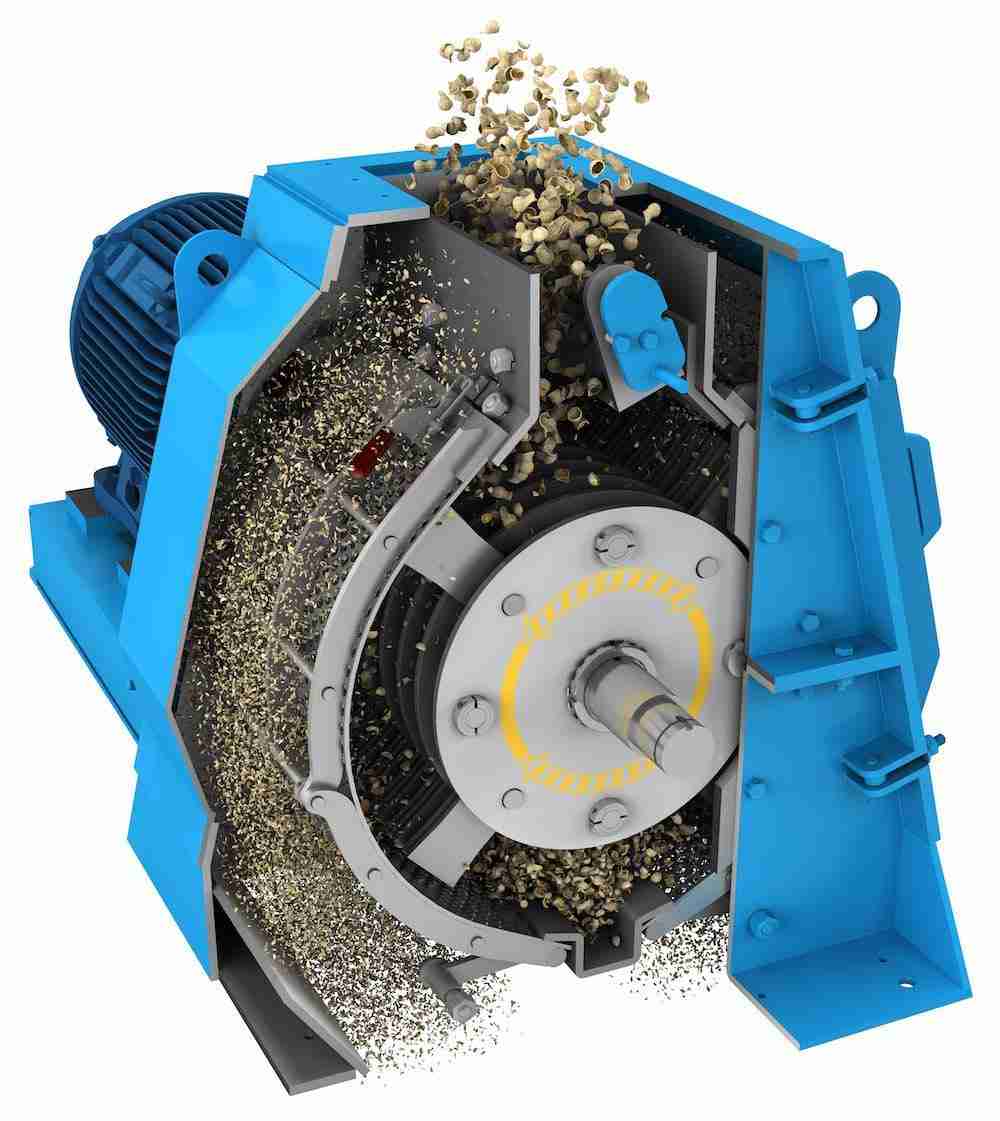
The milling process of maize is a blend of age-old traditions and modern innovations. Understanding how maize is transformed into flour, grits, and meal requires an exploration of various techniques employed throughout history and their evolution over time. Traditional stone milling, revered for preserving the grain’s nutritional integrity, has given way to high-tech roller mills and impact mills. Each method offers its own set of benefits, affecting the final product’s texture, flavor, and nutritional value. Today, advanced milling techniques focus on optimizing efficiency while minimizing waste, using cutting-edge machinery that produces consistent particle sizes and caters to different market demands.
Innovation in maize milling also encompasses the incorporation of automation and smart technology. As the industry adapts to increasing consumer demands for specialty products, the role of data-driven processes has become paramount. Key advancements include:
- Energy-efficient machinery: Reduces the carbon footprint while enhancing productivity.
- Precision tracking systems: Monitor moisture levels and quality at various stages of milling.
- Quality control analytics: Ensures uniformity in grain processing, leading to superior end products.
Furthermore, a focus on sustainability has led to innovations in waste management and the utilitarian use of by-products. For example, the remaining husks and fibers can be repurposed as animal feed or biodegradable packaging solutions, creating a circular economy encompassing the entire milling process.

Factors Influencing Flour Quality and Consistency
Several key elements play a crucial role in determining the quality and consistency of flour produced from maize. The initial factor is the quality of the maize itself; factors such as moisture content, kernel size, and type of maize significantly influence the milling process. High-quality maize ensures higher yield and better flour characteristics, while kernels that are too small or damaged can lead to inconsistencies. Other aspects include the environmental conditions where the maize is grown, as factors like soil quality, rainfall, and temperature can affect the end product’s attributes. Understanding these variables drives millers to select the best raw materials for optimal milling.
The milling process parameters are equally vital in achieving flour quality. The choice of milling technology, such as roller mills or stone mills, impacts the texture and functionality of the flour. Additionally, the adjustment of grinding settings such as the distance between plates or roll gaps can determine the particle size distribution, which is critical for various culinary applications. A well-designed milling operation pays close attention to all these variables, creating a symphony of precision and expertise. Below is a simple comparison of milling methods that illustrates their distinct contributions to flour quality:
| Milling Method | Characteristics | Flour Type |
|---|---|---|
| Roller Milling | High precision, uniform particle size | Fine flour, ideal for baking |
| Stone Milling | Traditional method, retains nutrients | Coarser flour with a more robust flavor |

Best Practices for Sustainable and Efficient Milling Operations
Incorporating sustainable practices into milling operations not only enhances efficiency but also minimizes environmental impact. Adopting modern technologies such as energy-efficient machinery and renewable energy sources can significantly reduce carbon footprints. More so, implementing a closed-loop water recycling system can mitigate water waste during the milling process. Furthermore, waste management is crucial; by-products like husks and germ can be utilized for biofuel or animal feed, creating an integrated system that maximizes resource utility. Here are some essential practices to consider:
- Regular equipment maintenance: Ensure all milling machines are serviced to boost their performance and longevity.
- Process optimization: Continuously analyze operations to identify bottlenecks and unnecessary steps, streamlining operations.
- Training programs: Invest in staff education on sustainable practices, safety protocols, and operational efficiencies.
Efficiency in milling operations also stems from careful selection and management of inputs. High-quality maize varieties not only yield better flour but also reduce grinding time, leading to less energy consumption. In addition, transitioning to digital monitoring systems allows for real-time feedback and adjustments that can enhance productivity. The selection of suppliers and their sustainability practices should not be ignored; ultimately, the entire supply chain impacts efficiency and sustainability. Below is a simplified comparison of various milling methods and their environmental impacts:
| Milling Method | Energy Consumption | Waste Generation | End Product Quality |
|---|---|---|---|
| Traditional Stone Milling | Moderate | High | Coarse, Nutrient-Rich |
| Modern Roller Milling | Low | Low | Fine, High Purity |
| Air Classifying Milling | Moderate | Variable | Custom Particle Size |
Closing Remarks
As we draw the curtain on our exploration of “Grind to Perfection: The Art and Science of Maize Milling,” we find ourselves at the crossroads of tradition and technology. The journey from vibrant maize fields to the fine flour that graces our kitchens is a testament to human ingenuity and dedication. Every kernel tells a story of heritage, innovation, and the meticulous craftsmanship involved in transforming raw grain into a versatile staple that nourishes countless lives.
In celebrating the intricate processes that define maize milling, we also honor the countless artisans and scientists who tirelessly refine their methods, ensuring that each grind upholds the highest standards of quality and flavor. As we move forward, it is essential to recognize the balance between preserving time-honored practices and embracing modern advancements, ensuring that this age-old craft not only endures but thrives in an ever-evolving world.
May the next time you reach for that bag of maize flour, you carry with you a newfound appreciation for the meticulous journey it undertook to reach your kitchen. In the quest for perfection, let us remember—the grind is not just a process; it is an art form, bringing together the best of nature and human endeavor in every delicious bite.




