
In the peaceful countryside of Vermont, nestled amidst rolling fields of golden wheat, lies an unassuming yet innovative mill dedicated to the art of cereal milling. Join us as we journey through the fascinating process of transforming raw grains into the perfectly ground flour that fuels our breakfast tables. Welcome to ”Grain to Grind: Exploring the Art of Cereal Milling.”
The History and Evolution of Cereal Milling Techniques
From ancient civilizations to modern industrial processes, cereal milling techniques have played a crucial role in transforming grains into the staple food we know today. The evolution of these techniques has been a fascinating journey, shaped by innovation, ingenuity, and a deep understanding of the craft.
Throughout history, civilizations have developed unique methods for milling cereals, each contributing to the rich tapestry of techniques we see today. Whether it’s the traditional stone mills of ancient Egypt or the advanced roller mills of the industrial revolution, the art of cereal milling has always been a blend of tradition and innovation.

Unlocking the Secrets of Perfect Particle Size Distribution
When it comes to cereal milling, achieving the perfect particle size distribution is essential for producing high-quality products. Understanding the science behind this process can unlock a world of possibilities for millers looking to elevate their craft. With the right techniques and equipment, millers can finely tune the size of their grains to create the perfect balance of texture and flavor in their final products.
One key aspect of mastering particle size distribution is utilizing the right milling techniques. By carefully controlling the speed and pressure used during the milling process, millers can achieve the desired particle size for each type of grain. Additionally, using precision equipment such as air classifiers and sifters can help ensure a consistent and uniform particle size distribution. By taking a holistic approach to cereal milling and paying attention to the finer details, millers can unlock the secrets to producing top-notch products that stand out in the market.
Choosing the Right Mill for Your Cereal Grinding Needs
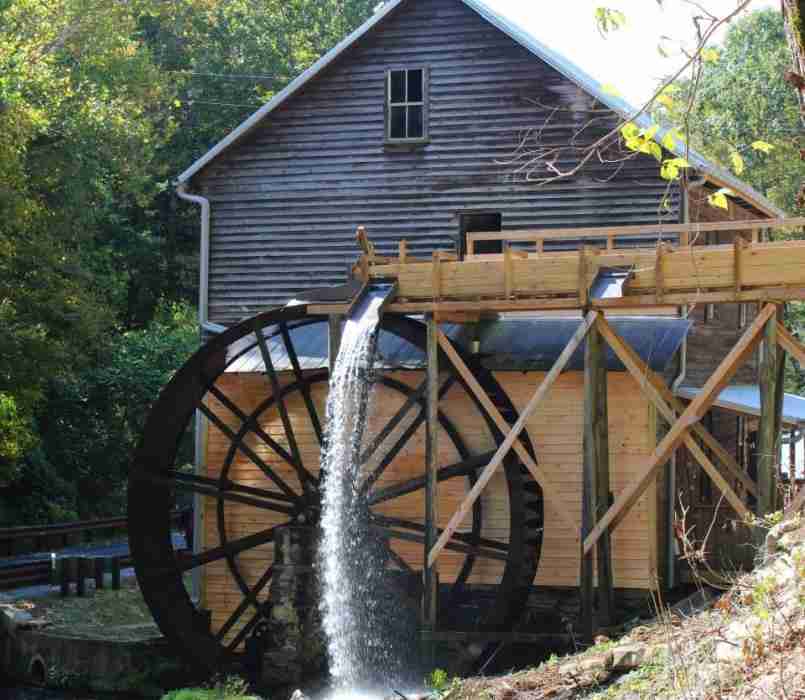
When it comes to cereal milling, selecting the right mill for your needs is crucial for achieving the perfect grind. Impact mills are known for their speed and efficiency, making them ideal for grinding a variety of cereals quickly. Burr mills, on the other hand, are better suited for achieving a consistent and uniform grind, perfect for those who prioritize precision in their milling process.
Consider the capacity of the mill, as well as the durability and ease of cleaning when making your decision. Some mills may offer additional features such as adjustable grind settings or a larger hopper for bulk milling. Ultimately, the right mill for you will depend on your specific milling needs and preferences, so take the time to explore the options available before making your selection.
Tips and Tricks for Optimal Cereal Milling Results
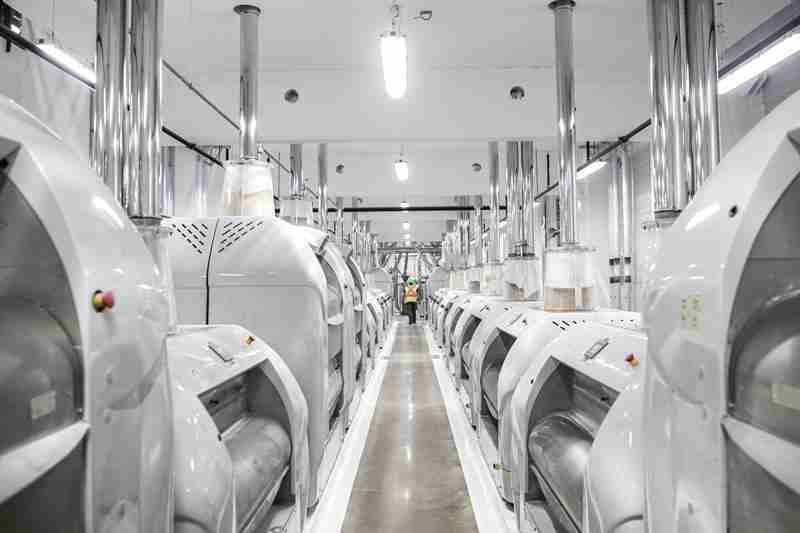
Granularity Matters: When it comes to cereal milling, achieving the perfect grain size is crucial for optimal results. Experiment with different settings on your mill to find the right balance between fine and coarse milling. This will not only affect the texture of your final product but also impact its flavor and nutritional profile.
Temperature Control: Pay attention to the temperature of your milling process. Heat can alter the structure of the grains and affect the quality of the flour. Consider investing in a mill with cooling mechanisms or take breaks between milling batches to prevent overheating. Keeping the temperature in check will help you maintain the integrity of the grains and produce superior results.
The Way Forward
As we wrap up our exploration of the intricate world of cereal milling, we hope you have gained a new appreciation for the artistry and craftsmanship involved in transforming grains into the breakfast staples we enjoy every day. Whether you are a cereal connoisseur or simply curious about the process, the journey from grain to grind is a fascinating one that highlights the importance of attention to detail and quality in our food production. So next time you pour yourself a bowl of cereal, take a moment to savor the flavors and textures that have been carefully crafted through the age-old practice of cereal milling. Thank you for joining us on this enlightening journey through the art of cereal milling.




