
In the heart of the bustling city, where the air is filled with the comforting aroma of freshly baked bread and pastries, lies a hidden gem that holds the key to transforming humble maize grains into the golden flour that nourishes us all. Step into the enchanting world of maize milling, where tradition meets innovation and the art of crafting the perfect grain is passed down through generations. Join us on a journey through the intricacies and beauty of this age-old practice, where each golden grain holds the promise of a delicious meal waiting to be savored. Welcome to ”Golden Grains: The Art of Maize Milling”.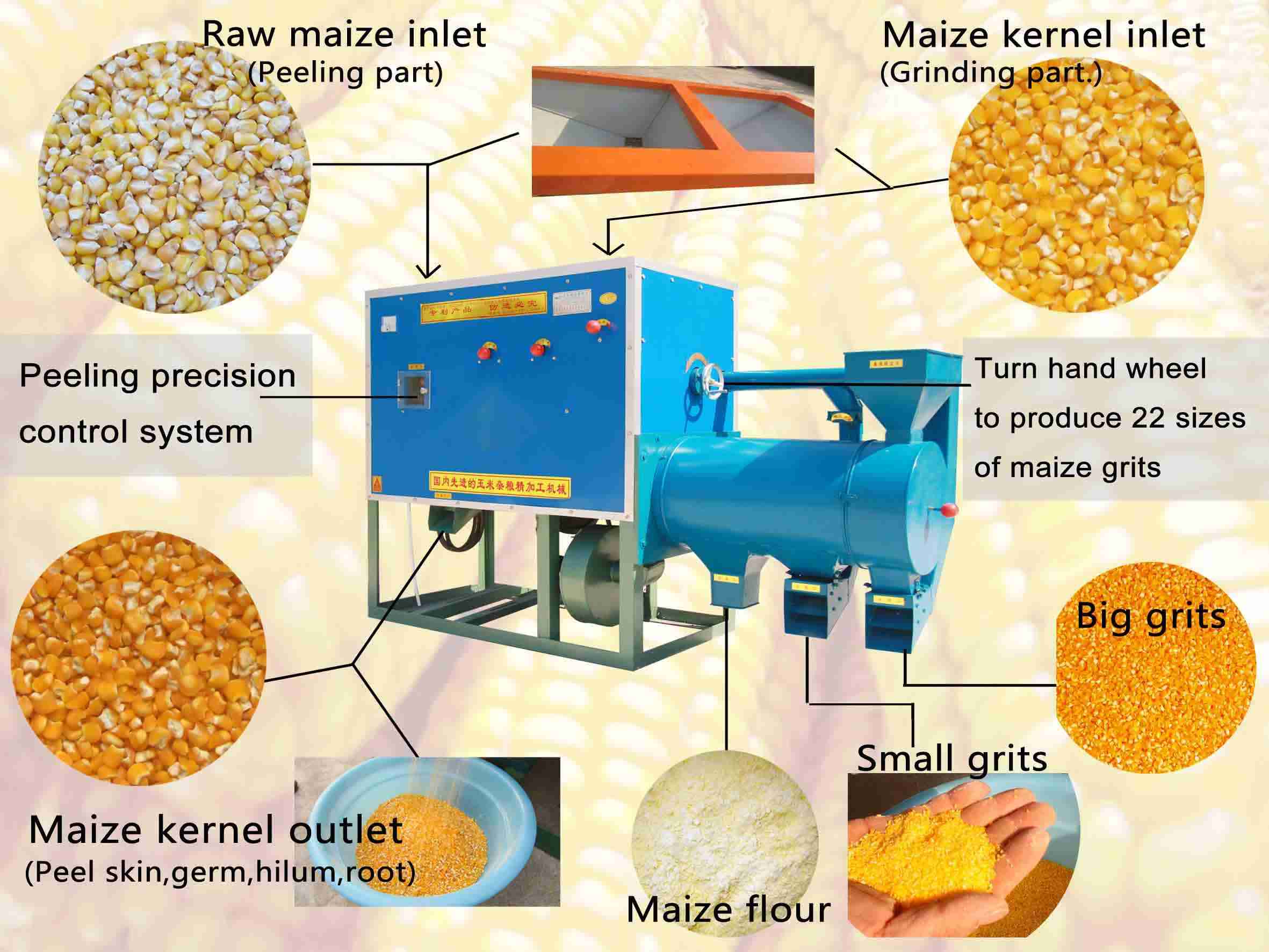
The History of Maize Milling Techniques
Maize milling has a long and rich history that dates back thousands of years. Throughout the centuries, various techniques have been developed to transform maize kernels into the golden grains that are a staple of many diets around the world. From ancient stone grinding tools to modern industrial machinery, the art of maize milling has evolved and adapted to meet the growing demand for this versatile and nutritious food source.
One of the earliest maize milling techniques involved hand grinding maize kernels using a stone or wooden tool. This labor-intensive method was time-consuming but effective in producing fine maize flour for cooking and baking. Over time, more efficient milling techniques were developed, such as using water-powered mills and later, steam-powered machinery. These advancements revolutionized the maize milling industry, allowing for larger quantities of maize to be processed quickly and efficiently. Today, maize milling continues to be an essential process in food production, providing the world with a valuable source of carbohydrates and nutrients.

Key Factors for Quality Maize Milling
Milling maize requires careful attention to detail in order to achieve high-quality results. There are several key factors that play a crucial role in ensuring the final product is of the highest standard. One important factor is the quality of the maize itself. Starting with good quality maize is essential for producing top-notch maize flour. The maize should be clean, free from any impurities, and properly dried to the right moisture content.
Another key factor in maize milling is the machinery and equipment used in the process. High-quality milling machines with sharp blades and efficient grinding mechanisms are essential for producing fine maize flour. Regular maintenance and cleaning of the machinery are also crucial to ensure consistent results. Proper calibration of the milling equipment is necessary to achieve the desired particle size for the maize flour. Additionally, following strict hygiene practices during the milling process is essential to prevent contamination and ensure the safety of the final product.

Innovative Technologies in Maize Milling Process
When it comes to maize milling, innovation is key in improving efficiency, quality, and overall production. One of the most revolutionary technologies in maize milling is the introduction of precision milling machines. These machines are equipped with advanced sensors and automation features that ensure precise milling of maize kernels, resulting in higher yields and better quality products.
Another groundbreaking technology that has transformed the maize milling process is the use of digital monitoring systems. These systems allow mill operators to monitor and control the milling process in real-time, optimizing settings for maximum efficiency and consistency. With the integration of these innovative technologies, maize milling has truly become an art form, paving the way for the production of premium quality maize products that meet the demands of today’s market.
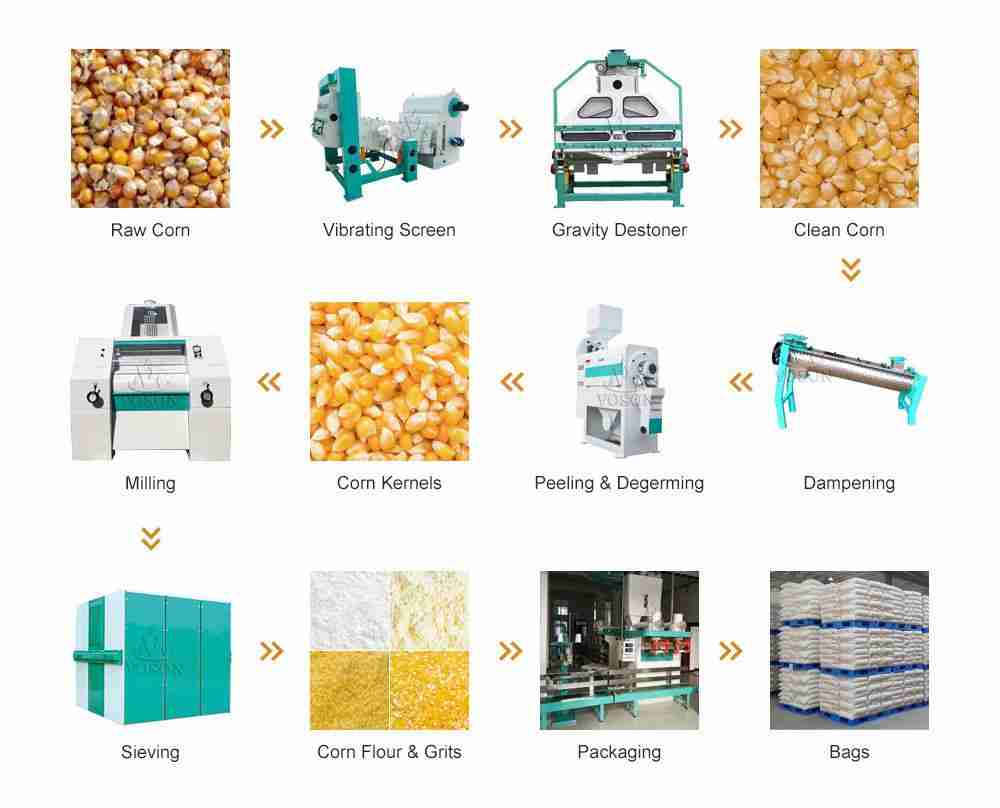
Tips for Achieving Optimal Maize Milling Results
When it comes to achieving optimal maize milling results, there are a few key tips to keep in mind. First and foremost, selecting the right maize variety is crucial. Different maize varieties have varying levels of hardness and moisture content, which can affect the milling process. Ensure you choose a variety that is suitable for milling to achieve the best results.
Additionally, proper cleaning and conditioning of the maize kernels before milling is essential. Removing impurities such as dirt, debris, and broken kernels can help prevent contamination and ensure a higher-quality final product. Conditioning the maize by adjusting the moisture content can also improve milling efficiency. Lastly, maintaining and regularly servicing your milling equipment is vital for consistent and efficient maize processing.
Key Takeaways
In conclusion, mastering the art of maize milling is a truly golden skill that has been passed down through generations. The process of transforming this humble grain into an essential ingredient in so many culinary delights is both fascinating and rewarding. As we continue to explore the endless possibilities that maize milling offers, let us never forget the rich history and tradition that underpins this timeless craft. So, grab your apron, dust off your millstones, and let the golden grains guide you on a journey of culinary discovery. Happy milling!




