
Whether in the form of tortillas, tamales, or masa, maize has been a staple food in many cultures for centuries. But what goes into the process of turning a simple seed into a delicious meal? Join us as we explore the intricate art of maize milling, from seed to meal.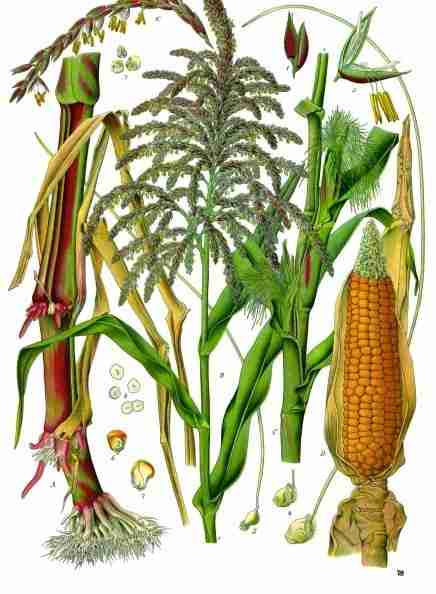
The Importance of Quality Maize for Milling
Milling maize is an ancient art that requires precision and attention to detail every step of the way. Starting from selecting the best quality maize seeds, farmers need to ensure they are using seeds that are free from disease and contamination. Quality seeds will result in a higher yield of maize that is perfect for milling and producing flour.
Once the maize is harvested, it needs to be properly dried and stored to prevent mold and rot, which could affect the quality of the final product. The milling process itself is another crucial step where the maize is ground into flour. Using high-quality milling equipment and processes ensures that the flour is consistent in texture and taste, making it perfect for various culinary uses. From seed to meal, the journey of maize milling is truly an art that requires dedication and expertise.

Traditional vs. Modern Milling Techniques
In the world of maize milling, there are two main approaches that have stood the test of time: traditional and modern techniques. Traditional milling methods have been passed down through generations, often involving manual labor and simple tools. These methods may take longer and require more skill, but they can add a unique touch to the final product.
On the other hand, modern milling techniques utilize advanced machinery and technology to streamline the process and increase efficiency. With the use of machines such as hammer mills and sifters, large quantities of maize can be processed quickly and with precision. This results in a more consistent product that meets industry standards for quality and safety.

Tips for Achieving Optimal Milling Results
When it comes to achieving optimal milling results for maize, there are several key tips that can help ensure the process runs smoothly and efficiently. By following these guidelines, you can transform maize seeds into finely milled meal that is perfect for a variety of culinary uses.
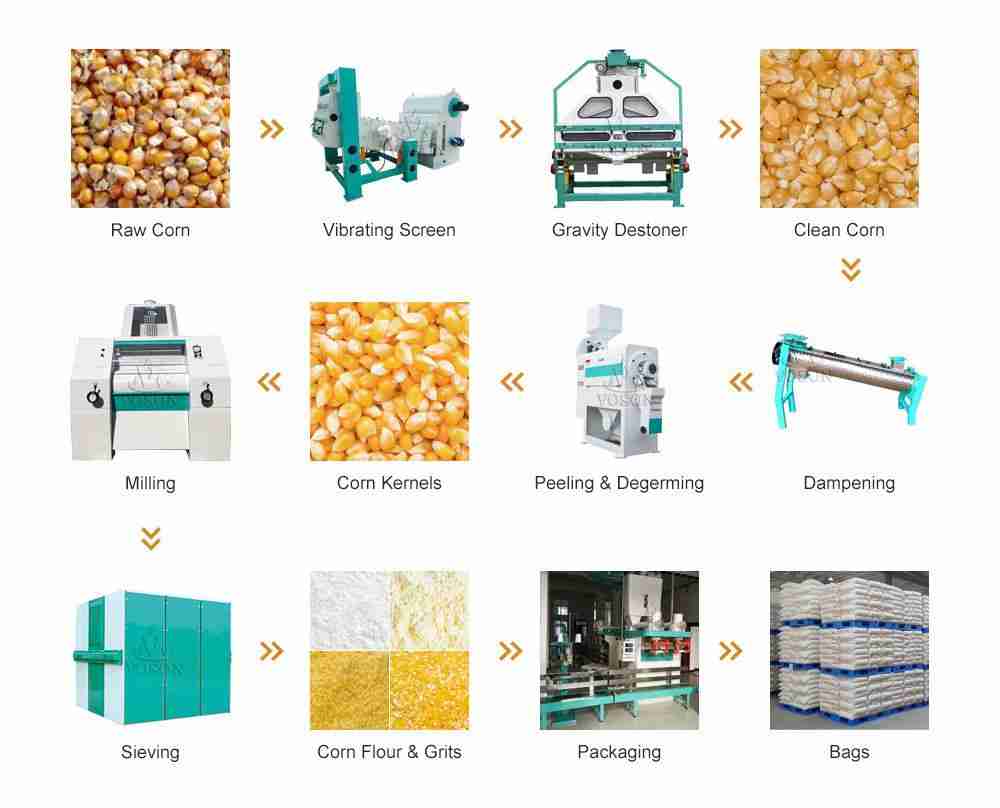
One important tip is to properly clean and sort the maize seeds before milling. This helps remove any impurities or foreign objects that could affect the quality of the final product. Additionally, adjusting the milling machine settings, such as the speed and grain size, can help produce the desired texture and consistency. It’s also crucial to regularly maintain and clean the milling equipment to prevent any contamination and ensure a hygienic milling process.
The Role of Maize Milling in Sustainable Food Production
Maize milling plays a crucial role in ensuring sustainable food production from seed to meal. The process of maize milling involves grinding whole maize kernels into flour, which can then be used to make a variety of food products. It is a key step in the food production chain, as maize is a staple crop in many parts of the world. By milling maize, it becomes more accessible and versatile for cooking and baking.
Maize milling is not just about grinding kernels into flour; it is also about maximizing the nutritional value of the maize. The milling process involves removing the outer layers of the maize kernel, which contain fiber and other nutrients. This results in a finer flour that is easier to digest and has a longer shelf life. Maize milling helps to make the most of this versatile crop, providing communities with a sustainable source of food that can be used in a wide range of dishes.
Future Outlook
In conclusion, the art of maize milling is a fascinating process that transforms tiny seeds into nourishing meals that sustain communities around the world. From the traditional methods used by generations past to the modern technologies incorporated today, each step in the journey from seed to meal is a testament to the skill and ingenuity of those who work in the maize milling industry. So next time you enjoy a delicious cornmeal dish, take a moment to appreciate the intricate process that brought it from the field to your plate. The art of maize milling truly is a blend of tradition, innovation, and sustenance.




