
From Kernels to Flour: The Art and Science of Maize Milling
In the heart of every kitchen, the humble grain transforms into the essential building block of countless recipes, from fluffy cornbread to delicate tortillas. Yet, the journey from kernel to flour is a fascinating interplay of tradition and technology, where age-old methods meet innovative techniques. Maize, a staple crop that has nourished civilizations for millennia, undergoes a meticulous milling process that not only preserves its rich nutrients but also enhances its culinary versatility. In this exploration of maize milling, we delve into the intricate art and underlying science that make this transformation possible. Join us as we uncover the steps involved, the machinery at play, and the cultural significance of the final product—flour that tells a story of its own, bridging generations and cuisines across the globe.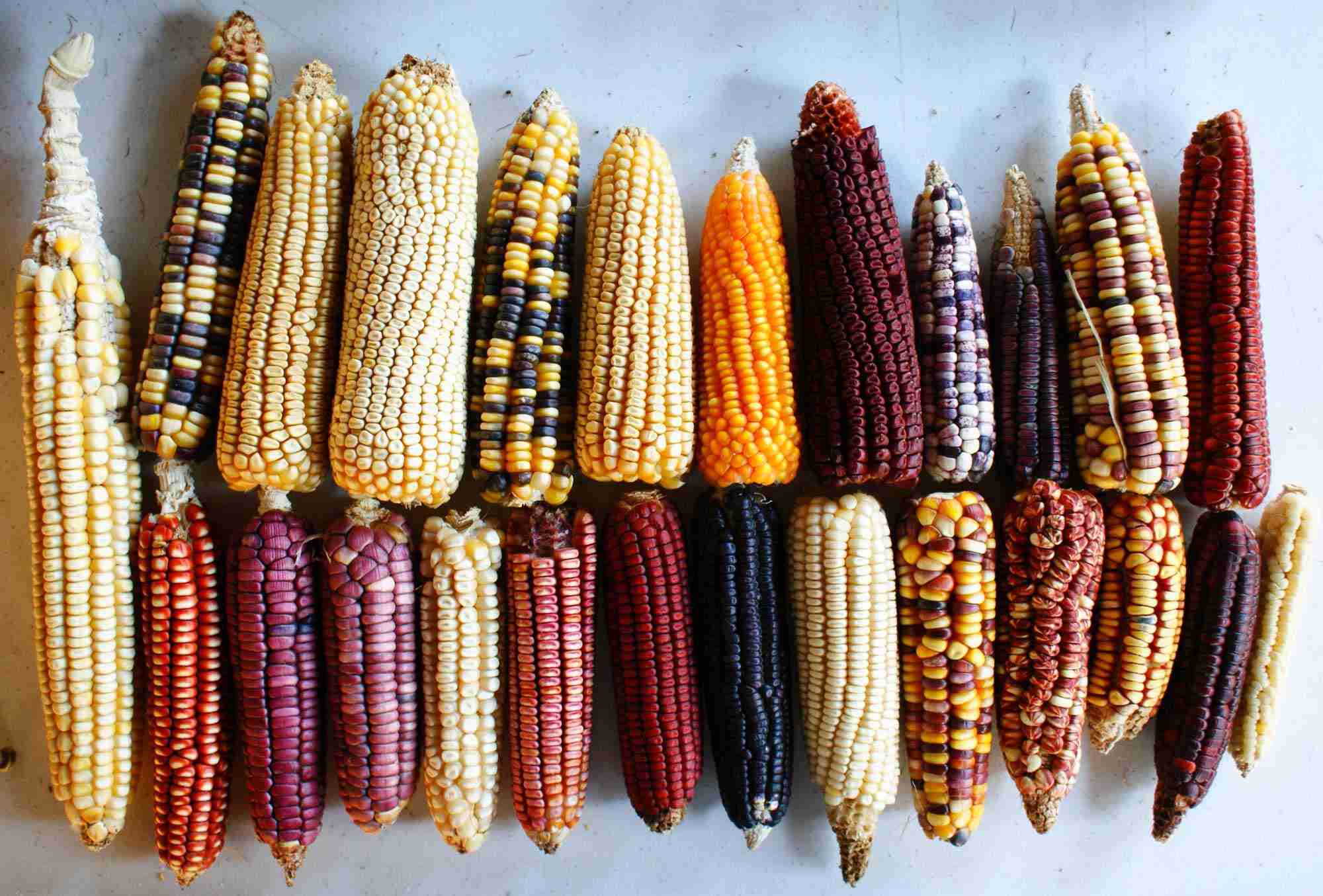
Exploring the Journey of Maize: Understanding Kernel Varieties and Their Characteristics
To truly appreciate the transformation from maize kernels to flour, it is essential to delve into the diverse varieties of maize and their distinct characteristics. Each kernel tells its own story, influenced by a myriad of factors such as climate, soil type, and agricultural practices. The primary types of maize include dent, flint, sweet, and popcorn, each uniquely suited for different culinary applications. For example, dent corn, predominantly used in the production of animal feed and starch, has a high starch content, which makes it perfect for milling into flour. In contrast, sweet corn is treasured for its sweetness and tenderness, making it a favorite on dinner plates but not ideally suited for grinding into flour. Exploring these kernels reveals the delicate balance between nature and nurture in the agricultural sphere.
Besides the kernel types, understanding their physical and chemical properties enriches the journey from maize to flour. The following characteristics influence milling outcomes:
- Moisture Content: Ideally kept between 14-16% for optimal milling.
- Kernel Hardness: Determines flour fineness; harder kernels yield finer flour.
- Color: Influences aesthetic appeal; varieties range from yellow and white to blue and red.
- Protein Content: Higher protein levels contribute to gluten development, impacting dough quality.
| Kernel Type | Common Uses | Key Characteristics |
|---|---|---|
| Dent | Animal Feed, Starch | High starch content, soft outer layer |
| Flint | Cooking, Cornmeal | Hard exterior, retains nutrients |
| Sweet | Boiling, Canning | High sugar content, tender |
| Popcorn | Snacks, Confectionery | Unique popping structure, low moisture |

The Milling Process Unveiled: Techniques for Transforming Kernels into Flour
The journey from maize kernels to flour is a fascinating fusion of art and science, meticulously carried out through various techniques that highlight traditional practices and modern advancements. The milling process begins with the careful selection of maize, ensuring the kernels are of high quality. Once harvested, the kernels undergo a series of steps that include cleaning to remove impurities and foreign materials, followed by conditioning where water is added to the kernels to prepare them for milling. This final step in the conditioning stage is crucial, as it helps in achieving the desired texture and quality of the flour.
Once conditioned, the kernels are subjected to different milling techniques, primarily categorized into dry milling and wet milling. Each technique has its advantages and applications, impacting the final product’s characteristics. Dry milling involves grinding the kernels into flour without the addition of water, preserving the natural flavor and nutritional elements. On the other hand, wet milling utilizes water to separate the starches, proteins, and fibers, resulting in distinct products such as maize starch and germ. This differentiation in milling techniques offers a myriad of possibilities, leading to an array of flour types catering to various culinary preferences.
| Technique | Description | Output |
|---|---|---|
| Dry Milling | Grinding without water, ideal for flour production. | Maize flour, cornmeal |
| Wet Milling | Uses water for separation of components. | Starches, syrups, protein |

Flour Types and Their Culinary Uses: Choosing the Right Maize Flour for Your Needs
When it comes to cooking and baking with maize flour, understanding the different flour types can significantly enhance your culinary creations. Maize flour, made from finely ground corn, is versatile and available in several variations, each offering unique textures and flavors. Yellow maize flour is known for its rich color and slightly sweet flavor, making it perfect for cornbread and polenta. In contrast, white maize flour tends to be milder and is often used in tortillas and other traditional dishes. Blue maize flour, derived from blue corn, brings a nutty flavor and vibrant color, ideal for a striking visual presentation in dishes such as pancakes or muffins.
Moreover, the grind size plays a pivotal role in determining the final product’s texture. Flour can be classified as coarse, medium, or fine, which affects its culinary applications:
| Grind Size | Culinary Use |
|---|---|
| Coarse | Best for polenta and grits, providing a hearty texture. |
| Medium | Ideal for baking cornbread and muffins with a tender crumb. |
| Fine | Perfect for thickening sauces or baking delicate pastries. |
By choosing the right maize flour based on both its type and grind size, you can elevate your cooking experience and bring authentic flavors to your table. Whether you’re making traditional dishes or experimenting in the kitchen, each flour type offers something special to complement your culinary journey.

Innovations in Maize Milling: Sustainable Practices and Future Trends in the Industry
In recent years, the maize milling industry has embraced a host of innovations aimed at promoting sustainability while maximizing efficiency. One of the most noteworthy advancements is the integration of renewable energy sources into milling operations. From solar panels to biomass energy systems, mills are increasingly utilizing natural power to reduce their carbon footprints. The adoption of energy-efficient machinery not only lessens environmental impacts but also lowers operational costs, creating a win-win scenario for both producers and the planet. Additionally, eco-friendly practices such as waste minimization, where by-products from milling are repurposed for animal feed or biogas production, contribute to a circular economy within the agricultural sector.
As the industry continues to evolve, future trends indicate a growing focus on smart technology and automation in maize milling processes. Advanced data analytics and IoT (Internet of Things) devices are being implemented to monitor and optimize production lines in real-time. These technologies enable mill operators to make informed decisions that enhance efficiency and quality. Furthermore, the rise of alternative milling techniques, like stone milling and ultra-fine grinding, is gaining popularity, driven by consumer demand for more nutritious and less processed products. The result is a dynamic landscape where traditional methods are combined with cutting-edge technology, ensuring the maize milling industry remains resilient and adaptable in a changing world.
| Innovation | Benefits |
|---|---|
| Renewable Energy Adoption | Reduces carbon footprint, lowers energy costs |
| Waste Minimization | Promotes a circular economy, less landfill waste |
| Smart Technology Integration | Optimizes production, real-time monitoring |
The Way Forward
As we conclude our journey through the intricate process of maize milling, it’s clear that this humble grain holds more than just nutritional value—it embodies a rich tapestry of tradition, innovation, and craftsmanship. From the golden fields where kernels begin their life, to the rhythmic hum of milling machines transforming them into fine flour, each step reveals a blend of art and science that has evolved over centuries.
The transformation of maize into flour is not merely a functional process; it is a celebration of culture, sustainability, and technological advancement. As we embrace the evolving landscape of food production, the understanding of maize milling takes on new significance, linking us to both heritage and progress.
Whether you are an artisan baker, a home cook, or a nutrition enthusiast, appreciating the journey of maize from its beginnings to your pantry can deepen your connection to the foods we cherish. So the next time you reach for that bag of flour, remember the rich narrative behind it—a story of kernels, community, and the unyielding spirit of innovation. As we move forward, let us continue to honor these traditions while welcoming new methods, ensuring that the legacy of maize milling flourishes for generations to come.




