
From Kernels to Creations: The Art of Corn Processing
In the fertile heartlands of America and beyond, beneath the vast, sun-drenched skies, lies a humble yet remarkable ingredient: corn. This vibrant grain, with its golden kernels glistening like precious gems, has woven itself into the fabric of cultures, cuisines, and economies throughout history. But what happens when these kernels embark on a journey of transformation? “From Kernels to Creations” delves into the fascinating world of corn processing, illuminating the age-old techniques and modern innovations that turn this staple crop into an array of culinary masterpieces. From the traditional methods that have been passed down through generations to cutting-edge industrial processes, we explore the artistry and science behind corn’s metamorphosis, revealing how it nourishes not just the body, but also the imagination. Join us as we unravel the story of corn, a seemingly simple grain that holds the power to inspire a universe of flavors and creations.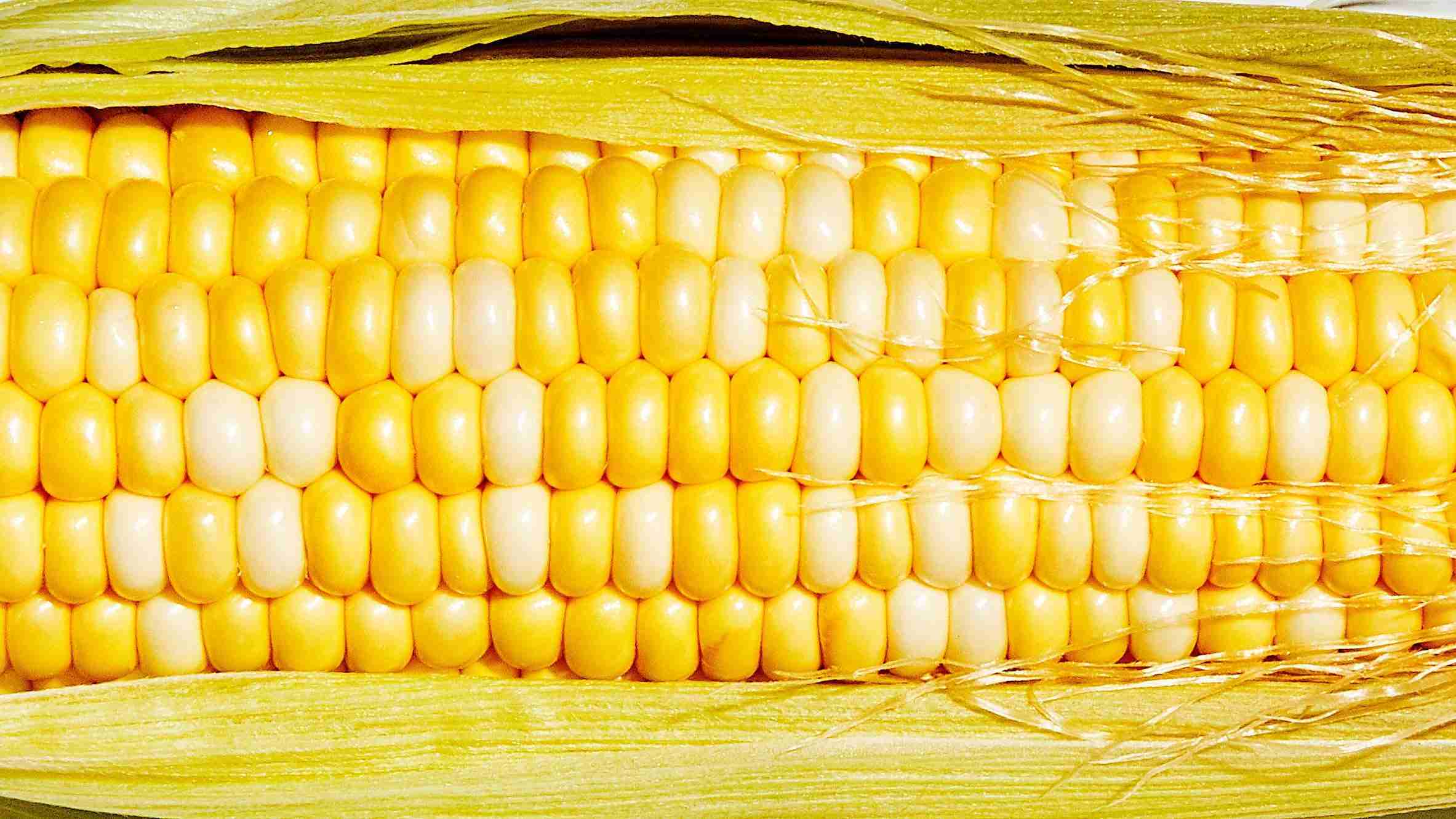
The Journey of Corn: Understanding Its Varieties and Nutritional Benefits
Corn, often considered a humble staple, comes in a tapestry of varieties, each offering unique flavors, uses, and nutritional profiles. Among the most popular are dent corn, which is commonly used in feed and processed products; sweet corn, typically enjoyed fresh or frozen; flint corn, prized for its hard kernels; and popcorn, renowned for its delightful puff when heated. Each variety serves its niche, whether in culinary creations or agricultural practices. Understanding these differences not only enriches our appreciation for this versatile grain but also enhances the way we incorporate it into our diets.
The nutritional benefits of corn extend far beyond its delicious taste and satisfying texture. It is a great source of essential nutrients, including:
- Fiber: Aids digestion and promotes gut health.
- Vitamins: Rich in B vitamins, particularly thiamine and folate.
- Antioxidants: Contains lutein and zeaxanthin, beneficial for eye health.
- Minerals: A good source of magnesium and potassium, essential for heart health.
Incorporating corn into various food forms, from tortillas to cornbreads, not only highlights its versatility but also provides a canvas for culinary creativity. In the kitchen, chefs are transforming corn kernels into vibrant dishes and snacks, showcasing this grain’s ability to blend seamlessly with diverse cuisines.

Transformative Techniques: Exploring Traditional and Modern Corn Processing Methods
Corn processing has evolved over centuries, with traditional techniques offering a rich tapestry of flavors and textures. Ancient methods such as nixtamalization involve soaking and cooking corn in an alkaline solution, which not only enhances its nutritional value but also transforms it into masa, the primary ingredient for tortillas. This approach showcases the cultural depth of corn, turning simple kernels into a versatile staple across various cuisines. Other traditional processes include grinding, using stone tools to achieve a coarse flour perfect for tamales, and fermentation, which can yield delicious beverages like chicha and pulque, each celebrating the local heritage and culinary practices.
Modern technology has also revolutionized corn processing, introducing techniques that prioritize efficiency and scalability. Techniques such as dry milling and wet milling have gained prominence, empowering industries to produce high-quality corn products like corn starch, syrup, and ethanol with remarkable precision. These methods involve intricate machinery that separates starches and proteins while maintaining flavor integrity. Additionally, the rise of biotechnology has ushered in a new era of corn processing, allowing for genetically modified strains that enhance yield and pest resistance, ensuring a steady supply of this essential crop. As we blend these ancient and contemporary methods, the journey from kernels to creations continues to unfold with endless possibilities.

Innovative Creations: Culinary Delights and Unique Products from Corn
Corn has long been a staple in cuisines across the globe, but its potential extends far beyond the traditional cob and kernels. Innovative chefs and food artisans are redefining the culinary landscape through the creative utilization of corn-processed ingredients. Imagine corn-based sauces that infuse dishes with unique flavors and aromas, or creamy polenta that serves as a luxurious base for hearty meats and vegetables. Below are just a few examples of the extraordinary culinary delights made possible by corn processing:
- Corntastic Tortillas: Made from fresh masa, these handmade tortillas provide a fresh and flavorful canvas for tacos and quesadillas.
- Sweet Corn Ice Cream: A delightful dessert that plays on the natural sweetness of corn, transforming it into a refreshing summer treat.
- Popcorn Snacks: From gourmet flavored varieties to savory popcorn mixes, creativity runs wild with this beloved snack.
Beyond the kitchen, corn inspires unique products that celebrate its versatility. Corn-based textiles and biodegradable packaging are emerging as sustainable alternatives, leading to a greener future. The following table highlights some unconventional products crafted from corn, showcasing the diverse applications of this humble grain:
| Product | Description |
|---|---|
| Cornstarch Biodegradable Bags | Environmentally friendly bags that decompose, reducing plastic waste. |
| Fiber-rich Corn Snacks | Healthy snacks that combine crunch with the benefits of whole grains. |
| Corn-based Plastics | Innovative plastics made from corn that offer a sustainable alternative for packaging. |
Sustainable Practices: Cultivating a Greener Future in Corn Processing
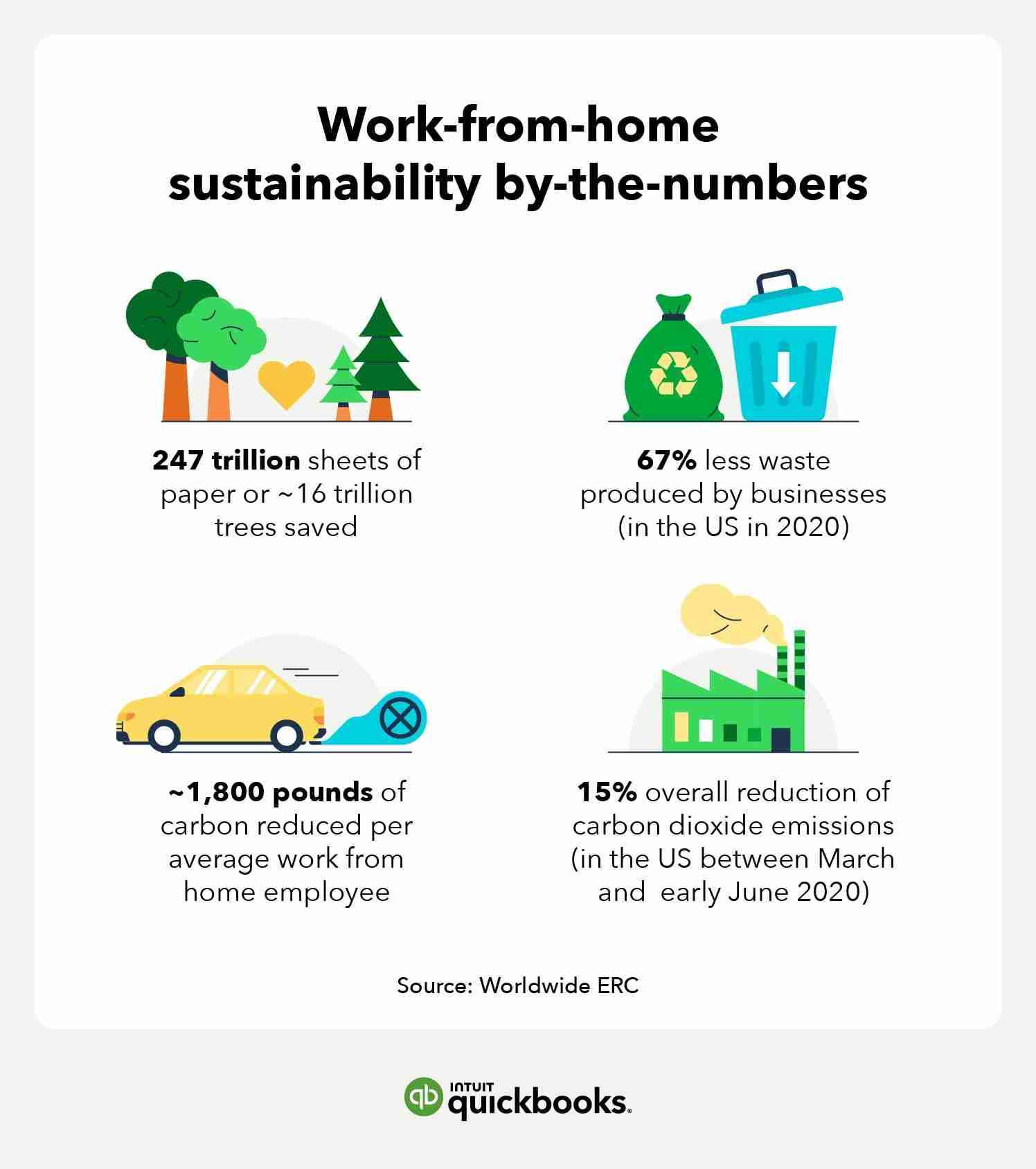
In the ever-evolving realm of corn processing, a commitment to sustainability is paramount. Adopting eco-friendly practices not only conserves resources but also enhances the quality of corn products while minimizing environmental impact. Many processors are turning to renewable energy sources like solar and wind to power their facilities, reducing reliance on fossil fuels and cutting greenhouse gas emissions. Additionally, the integration of waste reduction strategies is becoming increasingly popular, transforming byproducts into valuable materials, such as corn husks into biodegradable packaging and corn gluten into animal feed.
| Sustainable Practice | Impact |
|---|---|
| Water Conservation Techniques | Reduces water usage and enhances crop yield. |
| Organic Certification | Encourages healthier soil and promotes biodiversity. |
| Circular Economy Initiatives | Minimizes waste and maximizes resource efficiency. |
Alongside technological advancements, fostering relationships with local farmers is crucial for sourcing high-quality corn sustainably. These collaborations often lead to shorter supply chains, which reduce transportation emissions and bolster local economies. Moreover, educational programs focused on sustainable farming practices empower farmers to adopt techniques such as crop rotation and conservation tillage. Such practices not only enhance soil health and biodiversity but also improve the resilience of corn crops against pests and climate variability, ensuring a stable supply for processing.
In Summary
As we journey from humble kernels to the vibrant creations that grace our tables, it becomes evident that corn is more than just a staple in our diets—it is a canvas for innovation and artistry. Each method of processing, whether traditional or modern, tells a story steeped in culture, craftsmanship, and sustainability.
As we’ve explored the myriad ways corn can be transformed, we invite you to celebrate this versatile grain in your own culinary adventures. The next time you savor a dish crafted from corn, remember the intricate processes and the skilled hands that brought those flavors to life. From farmers cultivating the golden fields to artisans shaping unique products, the legacy of corn processing continues to inspire creativity and connection, reminding us that every bite is a testament to the power of nature and imagination.
So, let us embrace the journey of corn—from field to feast—and continue to explore the endless possibilities it offers, one kernel at a time.




