
Corn, a staple ingredient in diets around the world, holds a well-deserved place at the center of the plate. Yet, the journey from kernel to table is a fascinating process that often goes unseen by the everyday consumer. In this article, we will delve into the complex and innovative world of corn processing, exploring the various methods and technologies that transform this humble grain into a wide array of products that grace our tables. Join us on a journey through the intricacies of corn processing, where science, art, and tradition combine to bring this versatile crop to life in ways you never imagined.
Understanding the Journey from Field to Factory
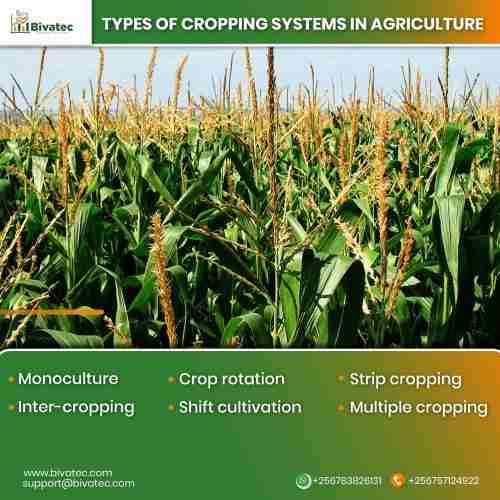
The journey of corn from the field to the factory is a complex and fascinating process that involves various stages of processing. It all starts with the harvesting of corn kernels from the fields, where farmers carefully select the ripest and healthiest ears of corn to be picked.
Once the corn is harvested, it is taken to the processing facility where it goes through a series of steps to transform it into the final products we see on our tables. These steps include cleaning, milling, and refining the corn to extract its valuable components. The kernels are thoroughly cleaned to remove any dirt or debris, then milled to break them down into smaller particles. Lastly, the corn is refined to separate its different components such as starch, protein, and fiber, which are then used to create a wide range of products such as cornmeal, corn oil, and corn syrup.
Exploring the Various Corn Processing Techniques
Corn, a staple food in many cultures around the world, undergoes a variety of processing techniques to transform it from a simple kernel into a versatile ingredient that can be used in a wide range of dishes. From grinding to milling, each processing method plays a crucial role in turning corn into products that are enjoyed by millions of people every day.
One of the most common processing techniques for corn is grinding. This involves breaking down the corn kernels into smaller pieces, which can then be used to make flour, grits, or meal. Another popular method is milling, where the corn is ground into a fine powder that can be used to make cornstarch or cornmeal. Other techniques, such as fermentation and extrusion, are also used to create products like ethanol and corn snacks. Regardless of the method used, each processing technique is essential in bringing corn from the field to the table.
Unveiling the Diverse Food Products Derived from Corn
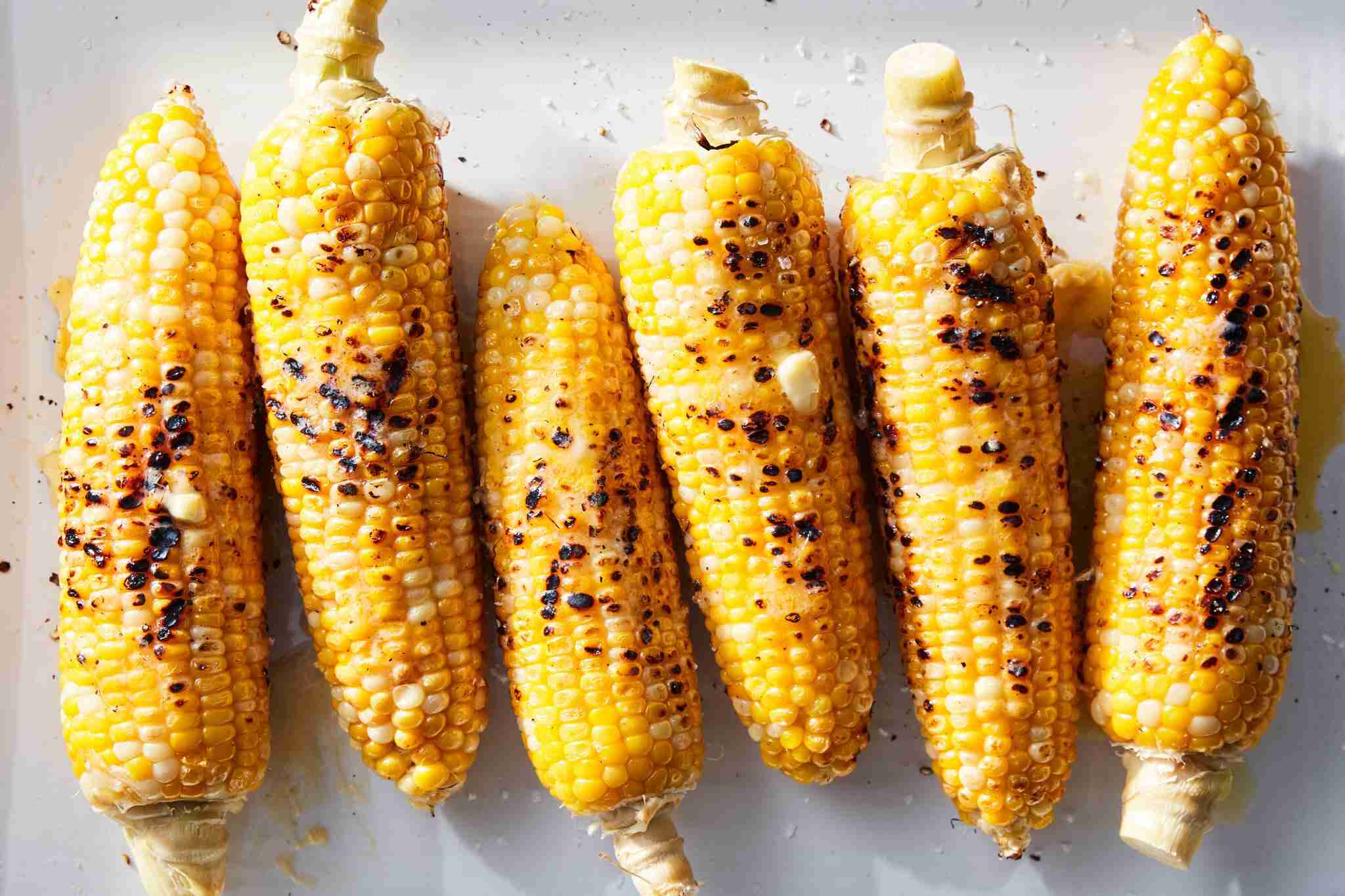
Corn, a staple crop with a rich history dating back thousands of years, is not only a beloved food but also a versatile ingredient used in a wide array of products. From the humble corn kernel, a multitude of food products are derived through various processing methods, each offering unique flavors and textures that cater to different palates.
Among the diverse food products derived from corn are:
- Cornmeal: A coarse flour made from ground dried corn, commonly used in baking and as a coating for fried foods.
- Corn syrup: A sweet syrup made from corn starch, often used as a sweetener in a wide range of food products.
- Popcorn: A beloved snack made from dried corn kernels that ”pop” when heated, creating a light and fluffy treat.
- Corn oil: A cooking oil extracted from the germ of corn, known for its mild flavor and high smoke point.

Recommendations for Maximizing the Benefits of Corn Processing
When it comes to maximizing the benefits of corn processing, there are a few key recommendations to keep in mind. First and foremost, it’s essential to source high-quality corn kernels to ensure the best possible end product. This means selecting corn that is fresh, properly dried, and free from any mold or contaminants.
Next, utilizing the right processing techniques is crucial for maximizing the nutritional value and flavor of corn. Whether you’re grinding corn into meal or processing it into corn syrup, methods such as nixtamalization or extrusion can help enhance the nutritional profile of corn by making its nutrients more readily available. Additionally, paying attention to factors such as cooking time and temperature can greatly impact the final quality of the processed corn product.
Closing Remarks
As we bid farewell to the world of corn processing, we hope you have gained a newfound appreciation for this humble grain and the intricate journey it takes from kernel to table. From the fields where it is grown to the facilities where it is processed, corn truly is a versatile and fascinating crop. Whether you enjoy it as a crispy snack, a comforting meal, or a sweet treat, remember the hard work and dedication that goes into bringing this staple food to your table. So, savor every bite and embrace the wonder of corn processing in all its forms. Thank you for delving into this intriguing world with us. Until next time, may your plates be filled with the delicious bounty of corn in all its glory.




