
Corn, or maize, is one of the most versatile and widely consumed crops in the world. From the bustling cornfields of the Midwest to the shelves of your local grocery store, corn undergoes a fascinating journey from kernel to kitchen. Join us as we delve into the intricate world of corn processing, uncovering the innovative techniques and time-honored traditions that transform this humble grain into an essential ingredient in cuisines across the globe.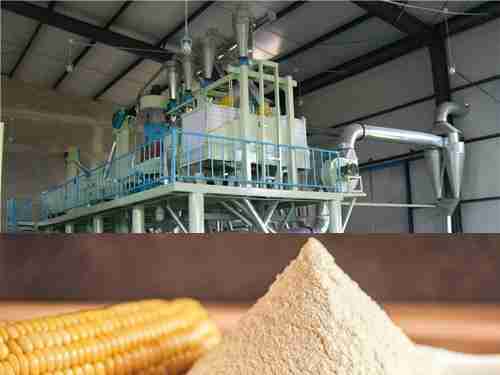
Introduction to Corn Processing
When it comes to corn processing, there is a fascinating journey from kernel to kitchen that takes place to transform this versatile grain into a wide array of products. From the fields where corn is grown to the facilities where it is processed, corn undergoes a series of intricate steps to produce everything from cornmeal and corn syrup to ethanol and bioplastics.
Exploring the world of corn processing unveils the ingenuity and innovation that goes into harnessing the potential of this staple crop. Whether it’s learning about the different methods of milling corn, the uses of corn-derived products in various industries, or the impact of corn processing on the environment, there is a wealth of information to discover about this essential grain.
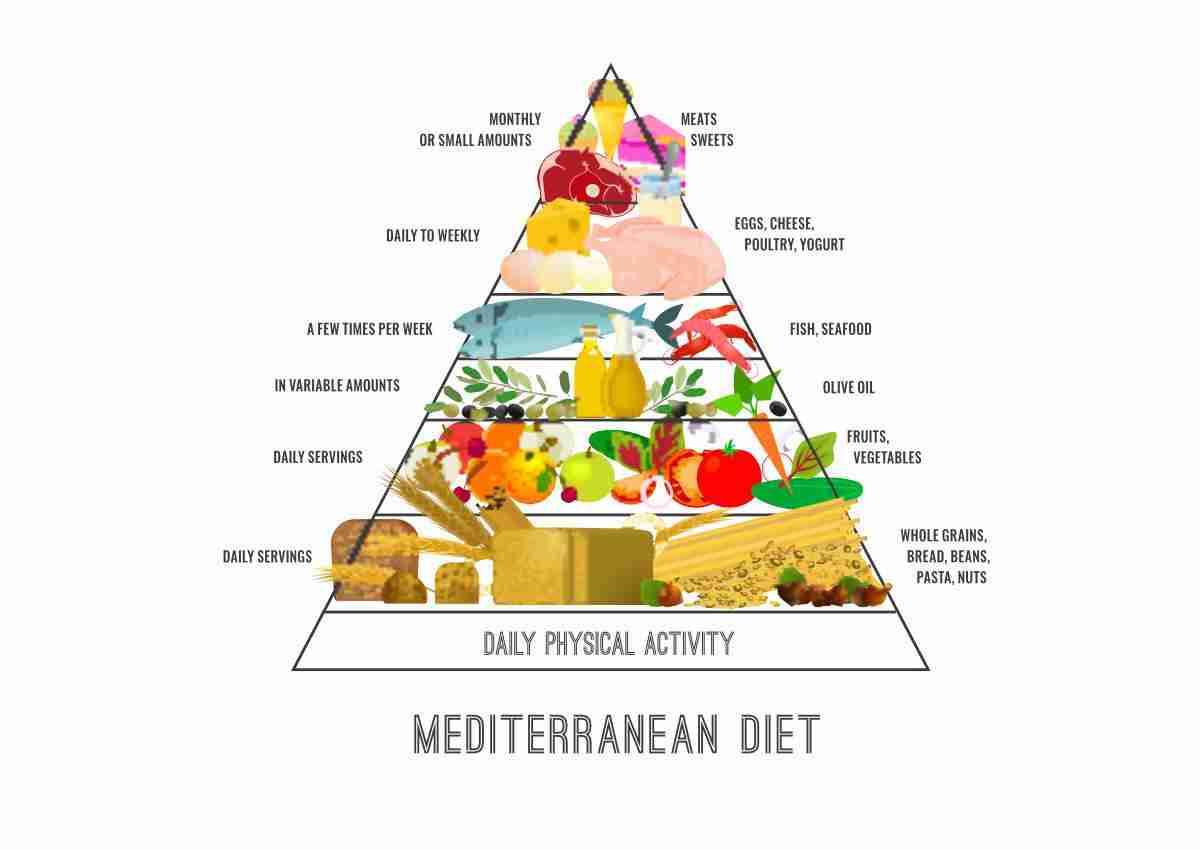
Nutritional Benefits of Corn Products
Corn is a versatile crop that can be processed into a variety of products, each offering unique nutritional benefits. One of the most common corn products is cornmeal, which is a staple in many cuisines around the world. Cornmeal is a good source of fiber, which aids in digestion and helps to maintain a healthy weight. It is also rich in vitamins and minerals, such as vitamin B6, iron, and magnesium, which are essential for overall health.
Another popular corn product is corn flour, which is used in a wide range of dishes, from bread to tortillas. Corn flour is gluten-free, making it a great alternative for those with gluten sensitivities. It is also a good source of protein, making it a great addition to vegetarian and vegan diets. Additionally, corn flour is high in antioxidants, which help to protect the body from harmful free radicals.
Different Methods of Corn Processing
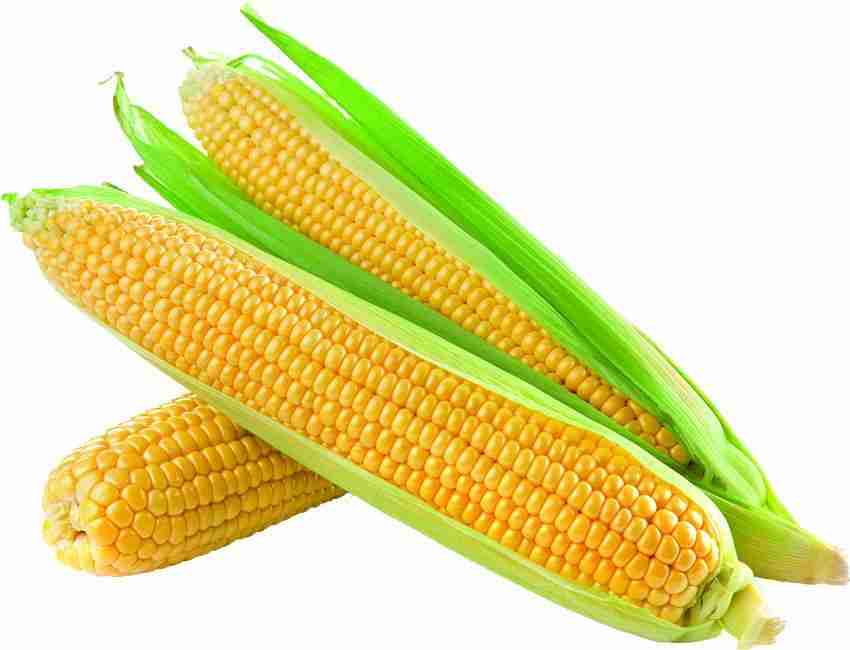
Corn, a staple food in many cultures around the world, goes through various processing methods before it ends up on our plates. One popular method is milling, where the kernels are ground into a fine powder to make corn flour or cornmeal. Another common method is nixtamalization, a traditional process in which corn is soaked and cooked in an alkaline solution, usually lime water, to make masa, the dough used for making tortillas and tamales.
Other methods of corn processing include fermentation to make products like corn beer or whiskey, extrusion to create corn snacks like puffs or chips, and wet milling to produce corn syrup and sweeteners. Each method brings out different flavors and textures from the versatile corn kernel, showcasing the endless possibilities of this humble grain.
Innovative Ways to Include Corn in Your Diet
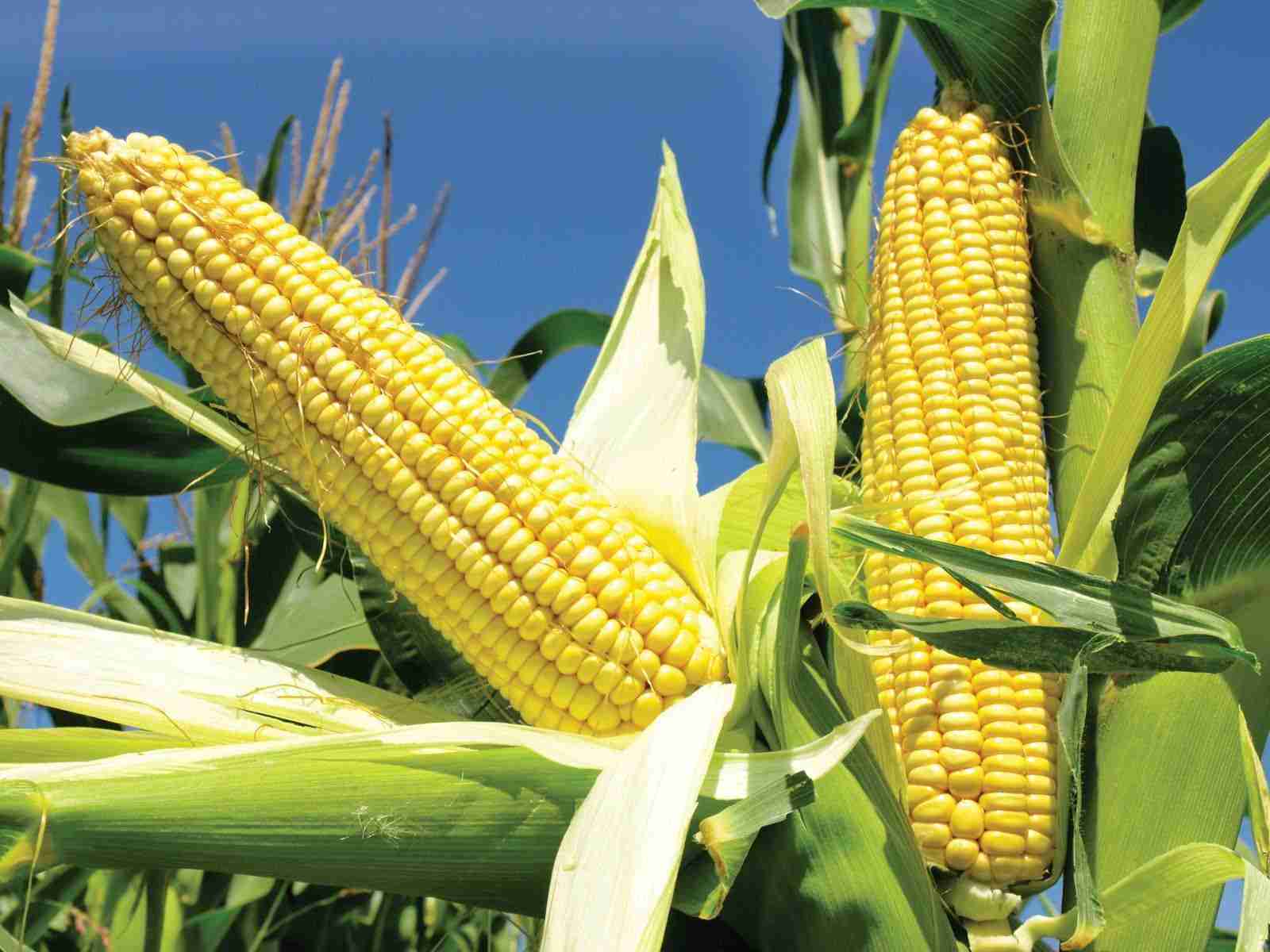
One innovative way to include corn in your diet is by making homemade corn tortillas. Rather than buying pre-packaged tortillas, you can grind corn kernels into masa harina and press them into fresh, flavorful tortillas. This process allows you to control the ingredients and create a healthier alternative to store-bought options.
Another creative way to enjoy corn is by incorporating it into a refreshing summer salad. Mix together fresh corn kernels, diced tomatoes, black beans, avocado, and a squeeze of lime juice for a delicious and nutritious dish. This salad is not only colorful and vibrant but also packed with essential nutrients and flavors that will leave you satisfied.
To Wrap It Up
As we come to the end of our exploration into the fascinating world of corn processing, we hope you have gained a deeper understanding of the journey this humble kernel takes from the fields to your kitchen. From grits to popcorn to corn syrup, corn is a versatile and essential ingredient in many of our favorite foods. So next time you enjoy a delicious corn-based dish, take a moment to appreciate the intricate process that brought it to your plate. Thank you for joining us on this journey through the kernel to kitchen!




