
In the heart of the bustling maize fields, a centuries-old tradition thrives – the art of maize milling. From humble kernels to finely ground flour, this process weaves together a delicate balance of science, skill, and tradition. Join us as we delve into the intricate world of maize milling, where each step is a testament to patience, precision, and the artistry of transforming a simple grain into a staple ingredient enjoyed around the globe.
The Importance of Proper Milling Techniques
The process of maize milling involves much more than simply grinding kernels into flour. Proper milling techniques are crucial in order to maintain the nutritional quality and flavor of the final product. By understanding the art of milling, we can ensure that every grain of maize is transformed into high-quality flour that can be used in a variety of culinary applications.
One key aspect of proper milling techniques is ensuring that the kernels are cleaned and sorted before they are ground. This helps to remove any impurities or foreign objects that may be present in the maize, resulting in a cleaner and more consistent flour. Additionally, controlling the moisture content of the maize during the milling process is essential for producing flour with the desired texture and flavor. By carefully monitoring the milling process and making adjustments as needed, we can create flour that is not only nutritious but also flavorful and versatile.

Maximizing Efficiency in Maize Processing
For centuries, maize has been a staple food in many cultures around the world. From the vibrant fields where it is grown to the bustling mills where it is processed, every step in the journey from kernel to flour plays a crucial role in maximizing efficiency. The art of maize milling involves a careful balance of technology, craftsmanship, and tradition.
With advancements in milling machinery and techniques, the process of maize processing has become more streamlined and efficient. From cleaning and de-germinating the kernels to grinding them into fine flour, each stage is essential in ensuring a high-quality end product. By optimizing each step in the process, millers can achieve greater yields, higher quality flour, and reduced waste. Embracing innovation while honoring the time-honored traditions of maize milling is key to unlocking the full potential of this versatile crop.

Key Factors for Producing High-Quality Maize Flour
When it comes to the art of maize milling, there are several key factors that are essential for producing high-quality maize flour. One of the most important factors is the quality of the maize kernels themselves. Selecting the right maize variety and ensuring that the kernels are clean and free from impurities is crucial in producing flour of the highest quality.
Another key factor is the milling process itself. Proper milling techniques, including the correct grinding setting and milling speed, can make a significant difference in the final product. Additionally, storing the maize flour in a cool, dry place can help maintain its freshness and prevent it from spoiling. By paying attention to these key factors, you can ensure that you are producing maize flour that is not only high in quality but also delicious and nutritious.
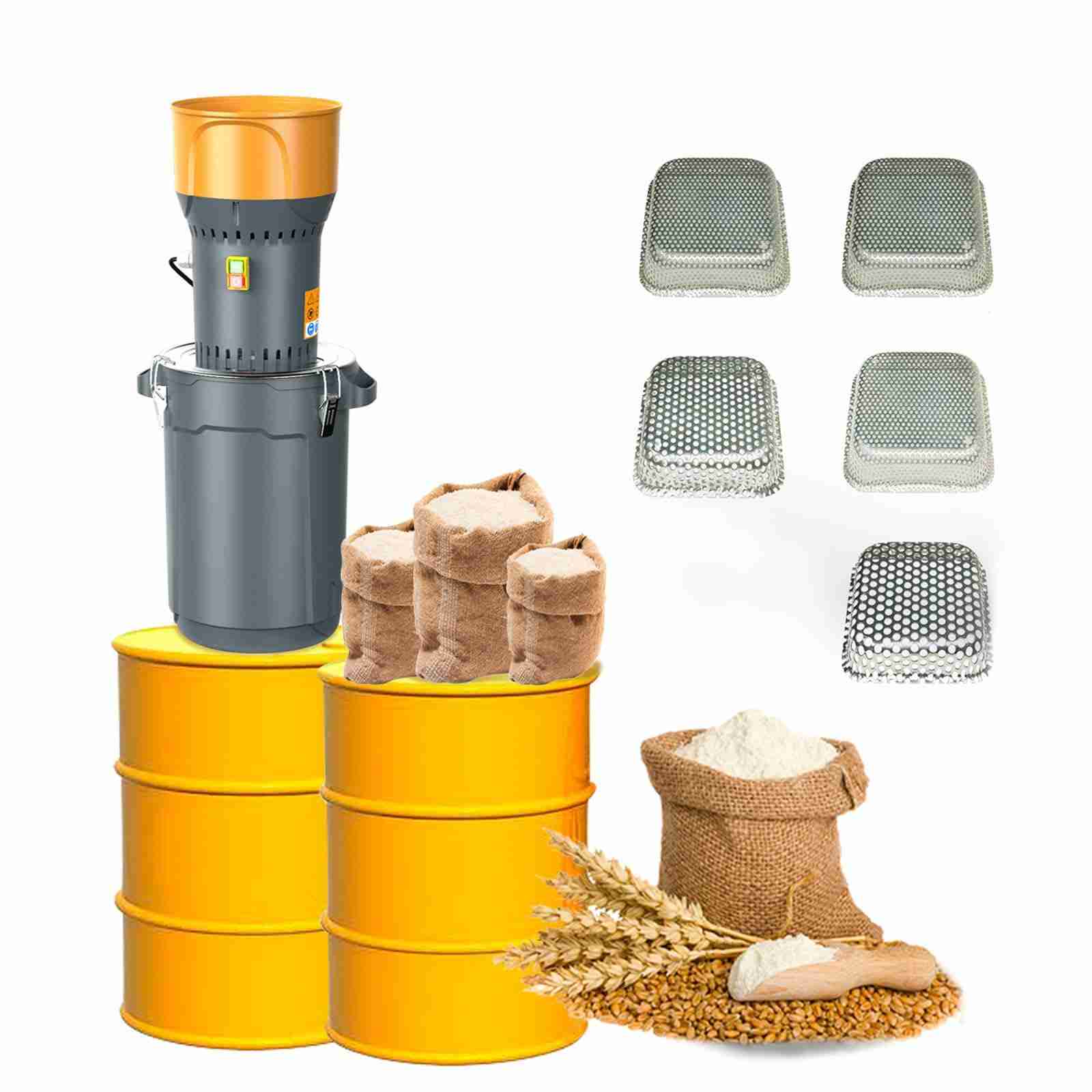
Essential Equipment for Successful Maize Milling Operations
When it comes to successful maize milling operations, having the right equipment is crucial. Efficiency and quality are key factors that can make or break your milling process. Here are some essential pieces of equipment that every maize milling operation should have:
- Maize Cleaning Equipment: A maize milling operation should start with proper cleaning equipment to remove impurities such as stones, dust, and other foreign materials from the maize kernels.
- Maize Milling Machine: The heart of the operation, a high-quality maize milling machine is essential for grinding the maize kernels into flour. Look for machines that offer precise milling capabilities and can handle large volumes of maize.
- Flour Packaging Machine: Once the maize kernels have been milled into flour, a packaging machine is needed to ensure the final product is properly packaged for sale and distribution.
| Equipment | Function |
| Maize Cleaning Equipment | Remove impurities from maize kernels |
| Maize Milling Machine | Grind maize kernels into flour |
| Flour Packaging Machine | Package milled maize flour for distribution |
In Conclusion
In conclusion, the process of maize milling is truly an art form that has been perfected over centuries. From the humble kernel to the fine flour that is the staple of many cuisines around the world, every step in the process requires skill, patience, and dedication. Whether done by hand or with modern machinery, the art of maize milling continues to be an essential part of our daily lives. So the next time you enjoy a delicious meal made with maize flour, take a moment to appreciate the craftsmanship that went into creating it. Thank you for joining us on this journey through the art of maize milling.




