
Corn is a marvel of nature, with each golden kernel holding untold secrets of processing and transformation. Join us as we delve into the intricate world of corn processing, from its humble beginnings as a single kernel to its final form as a delicious cob. The journey from kernel to cob is a fascinating one, full of innovation, precision, and a touch of magic. Let’s explore the intricate process that brings this versatile crop to our tables, and uncover the hidden wonders of corn processing.
Unveiling the Journey: Transforming a Kernel into Delicate Corn Products
Corn processing is a fascinating journey that starts with a simple kernel and ends with a variety of delicate corn products. The transformation of corn involves several intricate steps that showcase the ingenuity of modern food processing technologies. Each stage in the process plays a crucial role in unlocking the hidden potential of this versatile grain.
From de-kerneling to milling and refining, the corn processing industry utilizes advanced techniques to extract valuable components such as starch, oil, and protein from the kernel. These components are then used to create a wide range of products, from cornstarch and corn oil to corn syrup and cornmeal. The journey from kernel to cob is a testament to the skill and creativity of food scientists and engineers who continue to push the boundaries of innovation in the field of corn processing.
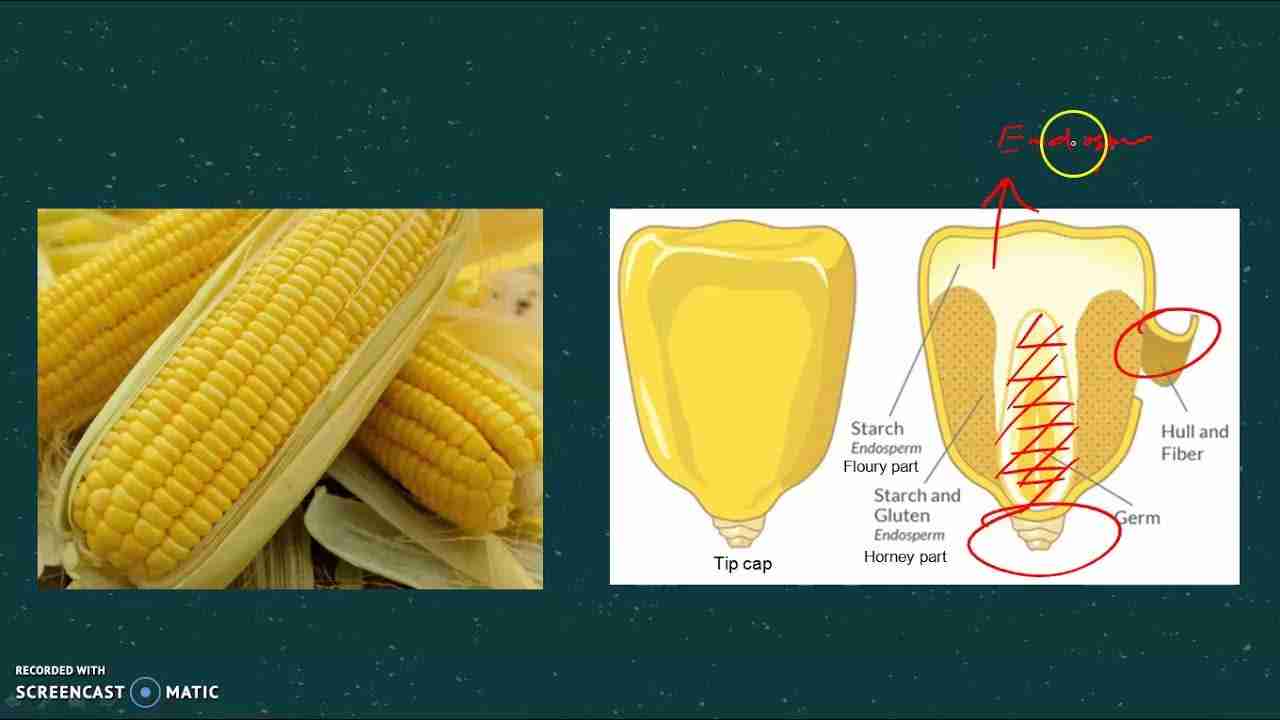
Exploring the Intricate Techniques of Corn Milling and Grinding
When it comes to corn milling and grinding, the intricate techniques involved in transforming a simple kernel into a versatile product like cornmeal or corn flour are truly fascinating. The corn processing journey starts with harvesting the mature cobs from the fields, filled with juicy and plump kernels waiting to be transformed. These kernels are then carefully separated from the cob through a meticulous process, ensuring that each one is preserved for the milling process.
Once the corn kernels are harvested and cleaned, they go through a series of grinding and milling steps to produce various corn products. The grinding process involves breaking down the kernels into smaller pieces, which are then milled to create the desired texture and consistency. From coarse cornmeal to fine corn flour, each milling step plays a crucial role in determining the final product’s quality and characteristics. The end result is a versatile ingredient that can be used in a wide range of culinary applications, showcasing the true beauty of corn processing.
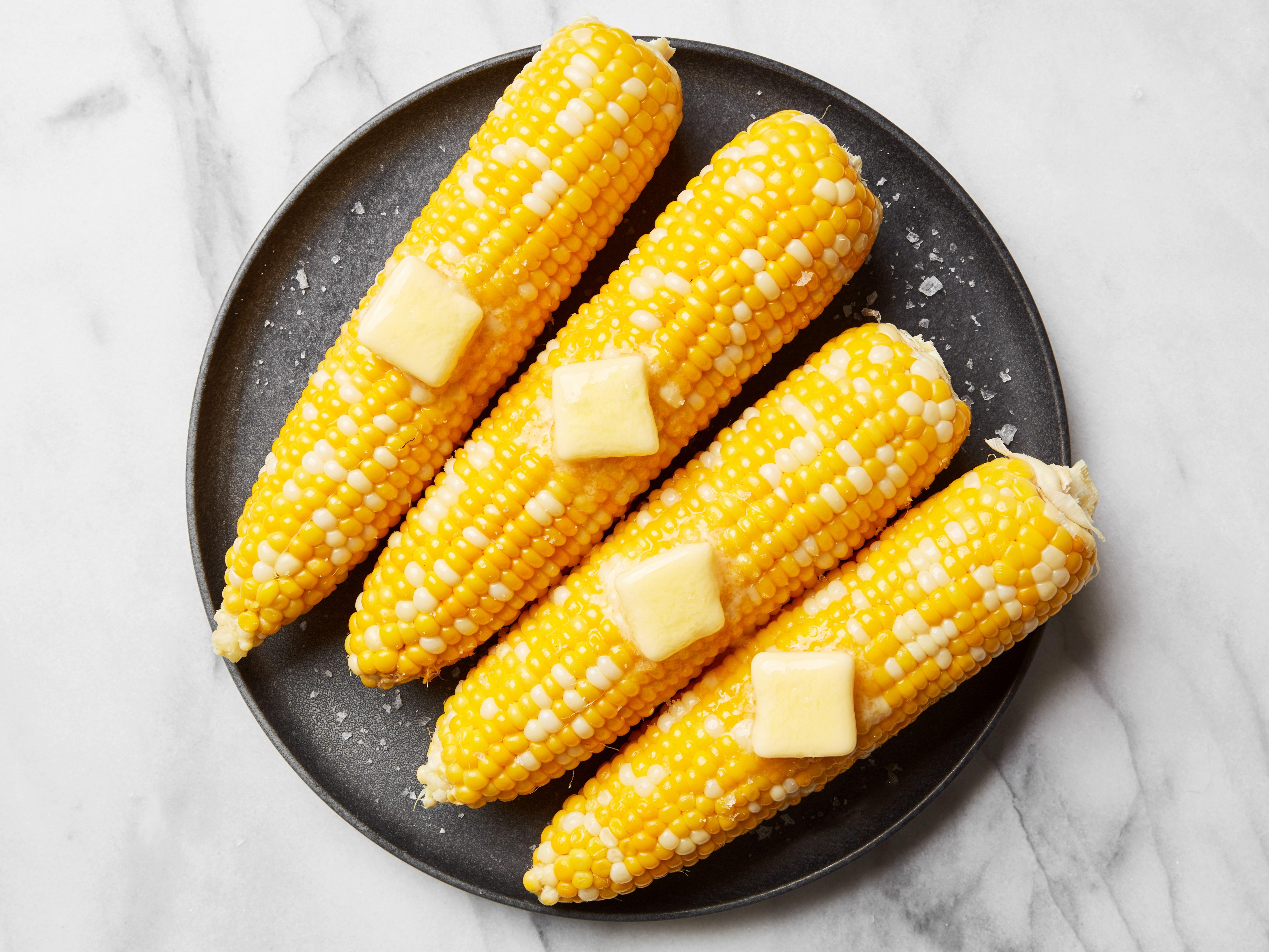
From Cob to Starch: Unveiling the Diverse Applications of Corn Processing Techniques
Corn processing techniques have come a long way from the simple act of shucking corn off the cob. Today, this versatile crop is used in a myriad of ways, thanks to innovative processing methods that extract its various components for different applications.
By breaking down the corn kernel into its constituent parts, such as starch, fiber, and protein, manufacturers are able to create a wide range of products that find their way into our everyday lives. From biofuels to food ingredients, the possibilities are endless when it comes to utilizing corn in its many forms. Let’s take a closer look at some of the diverse applications of corn processing techniques:

Recommendations for Maximizing Efficiency and Quality in Corn Processing Operations
For corn processing operations, maximizing efficiency and quality is essential for a successful operation. One recommendation is to invest in modern technology and equipment that can streamline processes and reduce waste. Utilizing state-of-the-art machinery can help increase production output while maintaining high quality standards. Additionally, implementing proper training programs for staff to ensure they are knowledgeable and skilled in operating the equipment can also contribute to overall efficiency.
Another important factor in maximizing efficiency and quality in corn processing operations is optimizing the supply chain. This includes working closely with suppliers to ensure a steady and reliable source of raw materials, as well as establishing strong relationships with distributors to efficiently get the final products to market. By maintaining a well-managed supply chain, you can minimize disruptions and delays in production, ultimately improving the overall efficiency and quality of your corn processing operation.
In Conclusion
As we’ve journeyed through the intricate world of corn processing, from the humble kernel to the versatile cob, we have discovered the fascinating processes involved in turning this staple crop into a myriad of everyday products. From its use in food and fuel to industrial applications, corn truly is a remarkable and essential part of our lives. Next time you enjoy a corn-based snack or fill up your car with ethanol, take a moment to appreciate the journey that humble corn kernel has undertaken to get to you. The world of corn processing is vast and ever-evolving, offering endless possibilities for innovation and discovery. So, let us continue to marvel at the wonders of this golden grain and all it has to offer. Thank you for joining us on this enlightening exploration of the fascinating world of corn processing.




