Title: From Grain to Groove: The Art of cereal Milling Explained
In a world increasingly enthralled by the rapid transformations of technology and industrial processes, the journey of grain from the field to our breakfast tables may frequently enough be overlooked. Yet within this seemingly succinct transition lies a rich tapestry of tradition, science, and artistry known as cereal milling. This age-old craft, which has evolved significantly over centuries, serves as a crucial link in the food chain, ensuring that the bounty of our fields finds its way into the hearts—and stomachs—of consumers.
In “From Grain to Groove,” we will delve into the intricate process of cereal milling, exploring not only the mechanics and innovations that define it but also the artistry involved in transforming humble grains into versatile flours and cereals. Through understanding the nuances of this craft, we not only appreciate the origins of our everyday staples but also recognize the pivotal role milling plays in shaping the flavors and textures that characterize our favorite foods. Join us as we uncover the detailed processes behind this essential yet often uncelebrated aspect of food production, appreciating the dedication and skill required to convert raw grain into the nourishing products that grace our kitchens.

The Journey of Grain: Understanding Sources and Quality Factors
To appreciate the artistry involved in cereal milling,one must first recognize the diverse sources from which grains derive. Each grain type—be it wheat, corn, or barley—carries its own distinct characteristics influenced by various factors. These include geographical origins, such as the specific soil and climate conditions, which play a crucial role in the grain’s quality. Other key elements involve:
- Seed Variety: Different varieties can yield grains with varying attributes.
- Harvest Timing: The maturation period impacts moisture levels and nutritional value.
- Storage Conditions: Proper storage is essential to maintain quality and prevent spoilage.
Once harvested,the journey continues through various processing stages,where quality factors come into play. Milling techniques can greatly influence the final product, focusing on aspects such as texture and nutritional content. The choice between different milling methods—stone milling, roller milling, or even modern automated processes—can shape the flavor and functional properties of the flour. Below is a comparison of common milling techniques:
| Milling Technique | Key Characteristics |
|---|---|
| Stone Milling | Traditional method, retains bran and germ, offers rich flavor |
| Roller Milling | Efficient, produces fine flour, may lose some nutrients |
| Modern Automated | Advanced control, consistent quality, tailored to specific needs |

Milling Techniques Unveiled: Traditional vs.Modern Approaches
The journey from grain to flour has undergone a remarkable transformation, blending time-honored practices with cutting-edge technology.Traditional milling, often characterized by the use of stone mills and large stone wheels, relies heavily on the physical attributes of the grain itself. This approach appreciates the art of slow grinding, allowing the natural oils and flavors of the grain to shine while preserving vital nutrients that might be lost in faster processing methods. Craftsmen in this genre of milling take great pride in their ability to control texture and consistency,which lends a distinct quality to the flour that many artisanal bakers seek.
In contrast, modern milling techniques leverage precision machinery and advanced technology to streamline production and enhance efficiency. Utilizing processes such as high-speed roller milling, this method segments grain into various components, separating bran and germ from the endosperm to produce a refined flour with standardized qualities. The benefits of modern methods include:
- Faster production times
- Consistency and reliability in flour quality
- Massive scale capabilities for industrial use
| Technique | Characteristics | Best Use |
|---|---|---|
| Traditional Milling | Artisanal, slower pace, retains nutrients | Specialty breads, baking requiring depth of flavor |
| Modern Milling | High-speed, consistent output, separates components | Bulk baking, commercial applications, consistent recipes |
this juxtaposition of techniques not only highlights differing philosophies in flour production but also emphasizes the importance of selecting the right milling approach to match the intended purpose of the final product. Each method carries its own unique charm and set of advantages, making the milling landscape as rich and diverse as the grains themselves.

The Science Behind Texture: Flour Types and Their Culinary Applications
When it comes to flour, not all grains are created equal; their unique properties influence the textures and flavors of our favorite dishes. Whole wheat flour, rich in nutrients and fiber, yields a dense loaf perfect for rustic bread. In contrast, all-purpose flour is a versatile staple, effortlessly transitioning between a delicate cake and a hearty pasta. The magic happens in the milling process, where the grain is analyzed for its protein content, moisture level, and endosperm structure. This science dictates whether the resultant flour will provide a chewy crust or a tender crumb, making the selection of the right type critical for achieving the desired culinary outcome.
For pastries and delicate baked goods, cake flour is often the preferred choice.Its lower protein content ensures a soft, airy texture ideal for fluffing up cakes and cookies. Conversely, bread flour boasts a higher protein level, which fosters gluten advancement, giving bread its classic chewiness. Understanding these characteristics helps chefs and home bakers alike harness the specific qualities of different flours, tailoring their recipes for a perfect result. Below is a succinct table summarizing various flour types and their most common uses:
| Flour Type | Protein Content | Culinary request |
|---|---|---|
| Whole Wheat Flour | 13-14% | Dense breads, pancakes |
| All-Purpose Flour | 10-12% | Cookies, bread, sauces |
| Cake Flour | 7-9% | Cakes, muffins |
| Bread Flour | 12-14% | Yeast breads, pizza dough |
Knowing when to utilize specific flour types not only enhances the baking experience but also invites a deeper gratitude of the craft involved. Each grain contributes a distinct element to the final product, rooted in traditions that date back centuries. As the milling process adapts and flour types evolve, bakers can play with textures and flavors, playing a significant role in the culinary landscape, making every loaf, pastry, and cookie a testament to the science behind texture.
Sustainability in Milling: Embracing Eco-Friendly Practices for the Future
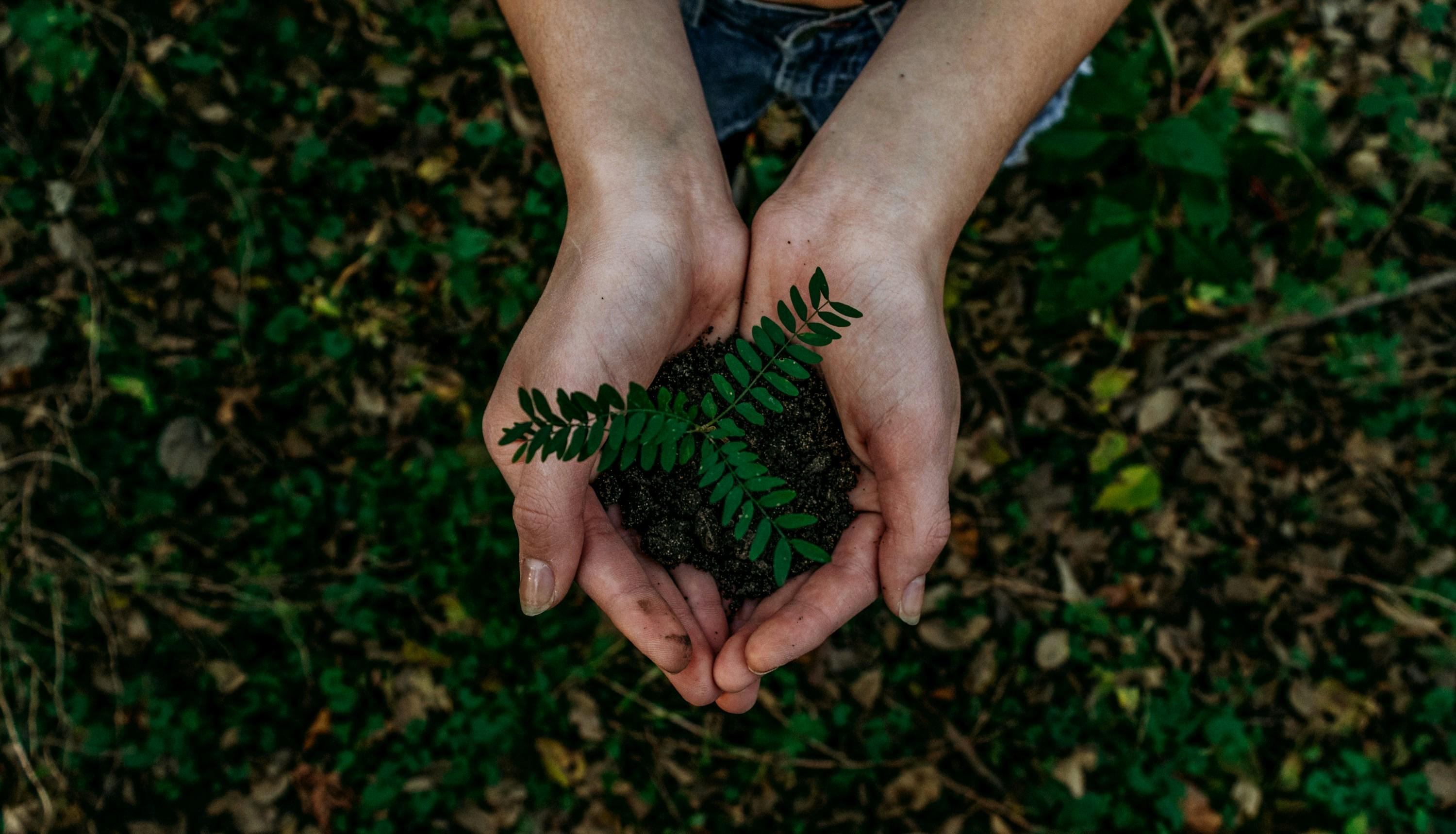
In the quest for a greener future,the milling industry is taking significant strides toward eco-friendly practices that minimize the environmental impact of grain processing. by adopting sustainable techniques, millers are able to reduce waste and conserve energy while ensuring the highest quality of cereal products. Some of the approaches being embraced include:
- Renewable Energy Sources: Utilizing solar, wind, and bioenergy in the milling process helps decrease reliance on fossil fuels.
- Water Conservation: Implementing advanced water management systems to recycle and reuse water in processing operations.
- Waste Reduction: Turning by-products into value-added products, such as animal feed or biofuels, significantly decreases landfill waste.
- Eco-friendly Packaging: Opting for biodegradable or recyclable materials minimizes the ecological footprint from packaging waste.
Additionally, millers are increasingly focusing on the sourcing of their grains to align with sustainable agricultural practices. Collaborating with local farmers who employ organic farming methods not only supports local economies but also assures a lower carbon footprint associated with transportation. A recent study highlighted that mills selecting sustainably farmed grains contribute positively to biodiversity and soil health. The following table illustrates the contrast between traditional and sustainable farming grains in terms of their environmental impact:
| Farming Method | Carbon Emission (kg CO2e/kg grain) | Biodiversity Score |
|---|---|---|
| Traditional | 1.5 | 45% |
| Sustainable | 0.5 | 75% |
To Wrap It Up
As we conclude our journey through the intricate world of cereal milling, it’s clear that this process is much more than a mere pathway from grain to flour. It embodies a rich tapestry of tradition, innovation, and craftsmanship, where the humble grain is transformed into the vital ingredients that nourish and inspire our daily lives. Each step of the milling process—from selecting the finest grains to the precise adjustments of modern machinery—paints a vivid picture of the delicate balance between science and artistry.
In exploring the techniques and technologies that have evolved over centuries, we’ve uncovered a hidden narrative that connects us to our food, our culture, and our communities. So next time you pour a bowl of your favorite cereal or bake that perfect loaf of bread, take a moment to appreciate the journey that those grains undertook. They traveled a remarkable path, guided by skilled hands and innovative minds, to become a part of your own culinary story.
cereal milling is not just a process; it’s a celebration of grains and grooves, a testament to human ingenuity, and a reminder of the timeless bond we share with the food that fuels our lives. As we continue to appreciate and learn about the craftsmanship behind our meals, let us also remain curious about the future of milling and the evolving ways we can cultivate and celebrate our grain-based heritage.