
From Grain to Grit: The Art and Science of Maize Milling
In the heart of bustling markets and quiet countryside homesteads alike, maize stands as a pillar of sustenance, culture, and innovation. This humble grain, revered across continents, carries with it stories of tradition and progress, weaving together communities through its myriad forms. As we embark on a journey through the intricate world of maize milling, we uncover the fascinating interplay of art and science that transforms golden kernels into the finely ground flour that nourishes the world. From the rhythmic whir of grinding stones to the precise calibration of modern machinery, each method tells a tale of craftsmanship honed over centuries. Join us as we explore the processes, techniques, and innovations behind maize milling, unveiling the grit that goes into every grain and the passion that fuels this age-old practice.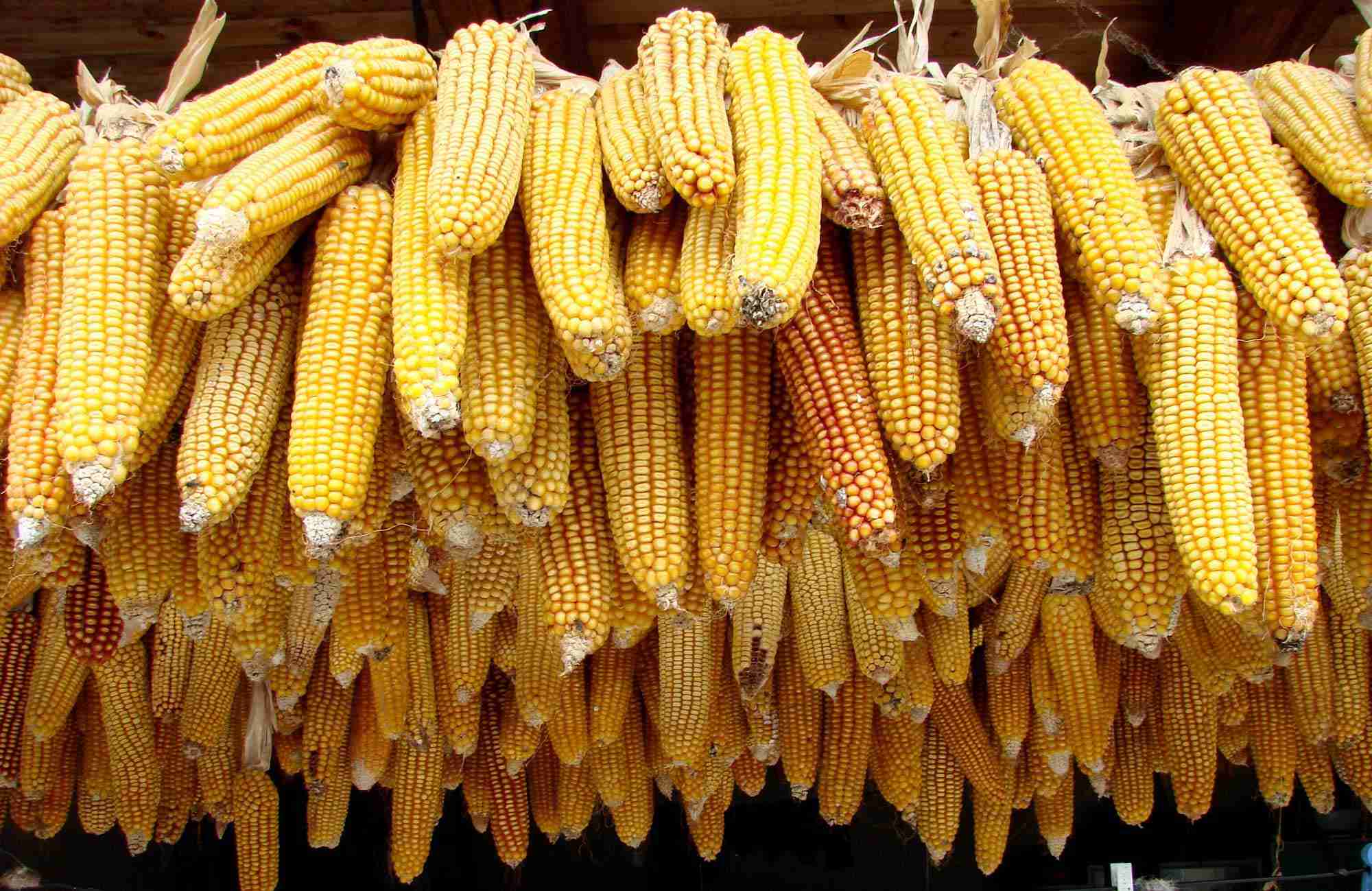
The Journey of Maize: Understanding the Importance of Quality Grains
Maize, often referred to as corn, is not just a staple food for millions across the globe, but a vital component in agriculture and industry. Its journey from the field to the milling process is a complex yet fascinating odyssey that illuminates the essence of quality grains. Choosing the right variety of maize is crucial, as it impacts the flavor, texture, and nutritional value of the final products. Factors such as *soil type*, *climatic conditions*, and *harvesting techniques* all contribute to the quality of maize, setting the foundation for its transformation into myriad forms.
The milling stage plays a pivotal role in enhancing the grain’s potential. Here’s why quality grains matter in maize milling:
- Flavor and Texture: High-quality maize produces a more flavorful and palatable product.
- Nutritional Benefits: The nutritional profile of maize is best preserved when milling high-quality grains.
- Customization: Different grades of maize can be milled into specific products, catering to diverse culinary needs.
| Maize Type | Common Uses | Key Benefits |
|---|---|---|
| Yellow Maize | Animal Feed, Cornmeal | High in beta-carotene |
| White Maize | Tortillas, Snacks | Neutral flavor, versatile |
| Sweet Corn | Canned Foods, Salads | Rich in natural sugars |

Techniques and Technologies: Exploring Modern Milling Equipment and Methods
The landscape of maize milling has evolved with innovations that blend traditional craftsmanship and cutting-edge technologies. Modern milling equipment has been designed to enhance efficiency, precision, and the overall quality of the end product. Key technologies include roller mills, which effectively crush the kernels, and hammer mills, which offer versatility in grain processing. Moreover, stone mills are experiencing a renaissance, prized for their ability to retain the flavor and nutritional value of maize. Numerous milling methods are now available, allowing millers to select the one that best suits their specific needs:
- Wet milling: Ideal for extracting starch, oils, and proteins, resulting in high-value by-products.
- Dry milling: Commonly used for producing flour, meal, and grits, focusing on achieving optimal particle size.
- Fractionation: A process that separates different components of maize, allowing for tailored product offerings.
Equipped with advanced monitoring and automation features, contemporary maize mills are becoming more intelligent. The integration of Internet of Things (IoT) technology enables real-time tracking of the milling process, improving consistency and reducing waste. High-performance sifting systems, equipped with laser-cut screens, ensure that the final products meet stringent quality standards while reducing the need for manual labor. To illustrate the significance of these advancements, the table below summarizes the benefits of various modern milling technologies:
| Technology | Benefits |
|---|---|
| Roller Mills | High efficiency; produces uniform flour particle size. |
| Hammer Mills | Versatile; suitable for a variety of grains and feed types. |
| Stone Mills | Retains flavor and nutrients; produces artisanal products. |
Nutritional Benefits: Enhancing Food Quality Through Proper Milling Practices
The process of milling maize plays a crucial role in preserving and enhancing its nutritional profile. When conducted properly, milling can retain essential vitamins, minerals, and other nutrients that are often lost in less refined processes. Among the key nutritional benefits are:
- Retention of Fiber: Whole maize retains its bran layer, which is rich in dietary fiber, promoting healthy digestion.
- Essential Vitamins: Milling preserves B vitamins, including thiamin, riboflavin, and niacin, which are vital for energy metabolism.
- Antioxidants: Proper milling can help maintain the presence of antioxidants, aiding in reducing oxidative stress in the body.
The impact of milling practices on the overall quality of maize is significant. Different milling methods can yield various textures and varieties, each with its own potential health benefits. For instance, artisanal stone milling is known to keep more of the grain’s nutrients intact compared to industrial milling techniques. Here’s a simple overview of the nutritional differences associated with various milling methods:
| Milling Method | Nutritional Retention |
|---|---|
| Artisanal Stone Milling | High fiber and nutrient retention |
| Traditional Roller Milling | Moderate nutrient loss due to refinement |
| Industrial Milling | Significant loss of vitamins and minerals |

Sustainability in Milling: Strategies for Eco-Friendly Maize Processing
Milling operations are at the heart of maize processing, and when coupled with sustainable practices, they can significantly minimize environmental impacts. One of the most effective strategies is to implement waste reduction techniques. This involves optimizing the milling process to ensure maximum grain utilization, thus decreasing the volume of by-products and waste generated. Additionally, it’s essential to incorporate modern technologies such as energy-efficient machinery that consume less power while maintaining optimal milling efficiency.
Moreover, water conservation is critical in maize processing, particularly in regions where water scarcity is a concern. Techniques such as closed-loop water systems can significantly reduce water usage in cleaning and cooling processes. Establishing partnerships with local farmers can also enhance sustainability; by sourcing maize from practices that prioritize soil health and biodiversity, millers can strengthen local economies while promoting eco-friendly agriculture. The integration of renewable energy sources, such as solar or wind power, can further amplify these efforts, creating a more resilient and sustainable milling ecosystem.
To Wrap It Up
As we conclude our journey through the intricate world of maize milling, we find ourselves at the intersection of art and science—a place where tradition meets innovation. From the rustling fields of golden grain to the rhythmic hum of modern milling equipment, this process is a testament to human ingenuity and our deep connection to the land. Each kernel, though simple in appearance, carries a wealth of history and potential, transforming into a staple ingredient that nourishes communities across the globe.
The craft of maize milling is more than just a mechanized routine; it’s a ballet of precision and expertise, blending the knowledge passed down through generations with cutting-edge technology. It reminds us that the food we consume is not merely a product but a story—a journey through time and technique that has shaped culinary cultures.
As we reflect on the artistry involved in milling maize, we celebrate the myriad of flavors and textures it brings to our tables. Whether it’s a warm tortilla, a comforting bowl of polenta, or a vibrant cornmeal cake, each dish carries with it the essence of the grains from which it was born.
So, the next time you savor a meal enriched by maize, take a moment to appreciate the journey it undertook—from grain to grit—and the hands that carefully crafted it along the way. In this age of rapid change, let us not forget the enduring legacy of maize milling, an art form that continues to evolve while honoring its roots.




