
In the bustling world of breakfast cereals, there lies a hidden artistry that often goes unnoticed by the hurried hands that pour them into bowls each morning. “From Grain to Goodness: The Art of Cereal Processing” peels back the layers of this seemingly simple morning ritual to reveal the intricate and delicate process that transforms humble grains into the crunchy delights we know and love. Join us on a journey through the world of cereal processing, where science and creativity combine to bring the most important meal of the day to life.
Unpacking the Journey: Understanding the Basics of Cereal Processing
When it comes to cereal processing, there is a whole journey from grain to goodness that takes place behind the scenes. It’s not just about pouring milk over a bowl of flakes in the morning – there is a meticulous process involved in turning raw grains into the breakfast staple we all know and love. Let’s delve into the basics of cereal processing to uncover the artistry and science behind this essential food industry.
From cleaning and milling to blending and packaging, cereal processing involves a series of carefully orchestrated steps to ensure that each bite of cereal is nutritious, flavorful, and satisfying. By understanding the key stages of cereal processing, we can truly appreciate the craftsmanship and dedication that goes into creating the breakfast cereals that fuel our mornings. So, grab a spoon and get ready to explore the fascinating world of cereal processing!
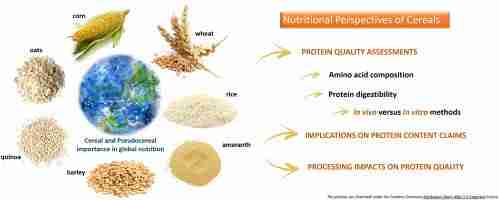
Enhancing Flavor and Nutrition: Techniques for Optimal Grain Treatment
When it comes to cereal processing, there are a variety of techniques that can be utilized to enhance both flavor and nutrition. One key aspect of optimal grain treatment is the process of milling. By carefully grinding grains into flour, the natural flavors and nutrients can be preserved, resulting in a more wholesome end product. Additionally, milling allows for the creation of different textures, from fine to coarse, which can further enhance the sensory experience of the final product.
Another important technique for enhancing flavor and nutrition in cereal processing is fermentation. Fermentation not only adds unique flavors to grains, but it also helps to break down complex carbohydrates and proteins, making them easier to digest. This process can also increase the bioavailability of certain nutrients, such as iron and zinc. By combining the art of milling with the science of fermentation, producers can create cereals that not only taste delicious but also promote better health and nutrition.

Innovative Processing Methods: From Milling to Packaging
When it comes to cereal processing, the journey from grain to goodness involves a series of innovative processing methods that transform raw ingredients into the familiar breakfast staples we all know and love. From milling to packaging, each step in the process plays a crucial role in delivering a delicious and nutritious end product to consumers.
One key aspect of cereal processing is the use of cutting-edge milling techniques to grind grains into flour, which serves as the base for a variety of cereal products. Through advanced technologies such as roller milling and impact milling, manufacturers are able to achieve the perfect texture and consistency for items like breakfast cereals, bread, and pastries. Additionally, careful consideration is given to packaging methods to ensure that the final product remains fresh and flavorful for extended periods of time. Utilizing materials such as recyclable cardboard boxes and resealable bags, cereal manufacturers are able to deliver a convenient and eco-friendly product to consumers worldwide.

Exploring Sustainable Practices: Promoting Responsible Cereal Processing
As we delve into the world of cereal processing, we uncover the intricate artistry that goes into transforming grains into the delicious breakfast staples we enjoy every day. This process involves a careful balance of innovation and tradition, combining modern technologies with time-honored techniques to ensure the highest quality end products. Through sustainable practices, we aim to not only promote responsible sourcing and production but also contribute to the preservation of our environment.
From selecting the finest grains to implementing eco-friendly packaging solutions, every step in the cereal processing journey plays a crucial role in promoting sustainability. By engaging in practices such as reducing waste, conserving energy, and supporting local farmers, we can make a positive impact on both the industry and the planet. Let’s embrace the journey from grain to goodness, celebrating the essence of responsible cereal processing and the delicious results it brings to our tables.
To Wrap It Up
In conclusion, the journey from grain to goodness truly showcases the art and science behind cereal processing. From carefully selecting grains to the intricate process of milling and mixing, it is clear that there is a true craftsmanship involved in creating our favorite cereals. The next time you enjoy a bowl of cereal, take a moment to appreciate the journey it took to reach your spoon. The art of cereal processing is truly a beautiful blend of tradition, innovation, and dedication to creating the perfect breakfast staple. So next time you crunch down on your favorite cereal, remember the labor of love that went into creating it.




