
From Grain to Gold: The Art and Process of Maize Milling
In the heart of countless kitchens around the world, a humble grain has long served as a cornerstone of nutrition and culture—maize. Known by many names, including corn, this vibrant golden grain has transcended its agricultural roots to become a staple in various culinary traditions, from cornbread in the American South to tortillas in Mexico. But before it reaches our tables, this versatile ingredient embarks on a transformative journey through the intricate art of milling. In this exploration, we will delve into the captivating process that turns raw kernels into finely milled flour, uncovering the craftsmanship, technology, and rich history behind maize milling. Join us as we unveil the steps that convert simple grains into golden gold—where every batch carries not just the promise of flavor, but also a legacy that has sustained communities for centuries.
The Journey Begins: Understanding the Maize Milling Process
The maize milling process is an intricate blend of tradition and technology that transforms humble maize grains into a versatile product enjoyed worldwide. This journey begins with the careful selection of high-quality maize, which undergoes various steps to ensure optimal yield and flavor. Key stages in this process include:
- Cleaning: The grains are cleaned to remove impurities such as stones, dust, and other foreign materials.
- Conditioning: Moisture is evenly distributed, preparing the grains for milling.
- Milling: The conditioned maize is ground into flour using innovative machinery that maximizes efficiency while retaining flavor.
After milling, the flour can be further processed and packaged for distribution. The importance of quality control cannot be overstated; each batch is tested to ensure it meets the desirable characteristics for end-users. The table below outlines some essential properties to consider during this process:
| Property | Desired Value |
|---|---|
| Moisture Content | 12-14% |
| Protein Content | 8-10% |
| Color Index | Light Yellow |
| Aflatoxin Levels | Less than 20 ppb |
Understanding these factors is crucial for both millers and consumers, as they significantly impact the quality and usability of the final product. By navigating through this detailed journey, One can begin to appreciate the art embedded in each grain of maize transformed into a culinary treasure.

Unlocking Nutritional Potential: The Benefits of Proper Milling
Proper milling is an essential step in unleashing the full nutritional benefits of maize. When grains are milled correctly, they retain their vital nutrients, offering a wealth of health advantages that can elevate everyday meals. This meticulous process ensures that vitamins, minerals, and fibers are preserved, transforming simple maize into a powerhouse of nutrition. Furthermore, the right milling technique can enhance the bioavailability of these nutrients, making it easier for the body to absorb them. Some key benefits include:
- Improved Digestibility: Finely milled maize is easier to digest, leading to better nutrient absorption.
- Higher Nutritional Value: Retaining natural oils and proteins boosts the overall health benefits of the flour.
- Versatility in Cooking: Properly milled maize flour can be used in various culinary applications, from baking to making traditional porridge.
By investing in the art of milling, producers not only ensure the maximum retention of corn’s inherent goodness but also cater to a growing demand for wholesome, nutritious ingredients. The milling process can be fine-tuned according to specific use-cases, offering different textures and flavors while maximizing nutrition. The nutritional composition of the flour can vary based on the milling technique, leading to diverse applications in culinary practices. Below is a simple comparison of the nutritional content of various milling methods:
| Milling Method | Fiber Content (g/100g) | Protein Content (g/100g) |
|---|---|---|
| Stone Milling | 8.0 | 10.5 |
| Roller Milling | 2.5 | 8.0 |
| Hammer Milling | 5.0 | 9.5 |

Choosing the Right Equipment: Essential Tools for Successful Milling
When embarking on the journey of maize milling, selecting the right equipment is crucial to ensuring efficiency and quality in the finished product. Each tool serves a specific purpose, and understanding them is paramount for a successful milling operation. Key components include grain cleaners, which remove impurities before processing; hammer mills, ideal for breaking down maize efficiently; and roller mills, which create finer flour textures by grinding. Additionally, elevators are essential for transporting grain between processing stages, while sifters help achieve the desired granulation by separating larger particles from the finer flour.
To enhance the milling process, investing in high-quality machinery can significantly impact the end product. Here’s a quick overview of recommended equipment features:
| Equipment | Key Features |
|---|---|
| Hammer Mill | Adjustable settings for particle size, durable construction for long-lasting performance |
| Roller Mill | Precision milling rollers, adjustable spacing for varying flour textures |
| Gravity Separator | Effective separation of light and heavy particles, enhancing flour purity |
By carefully selecting tools based on their purpose and features, millers can streamline their processes, reduce waste, and ultimately produce a superior product that shines in the market.
Exploring Innovative Techniques: Elevating Maize Flour Quality and Flavor
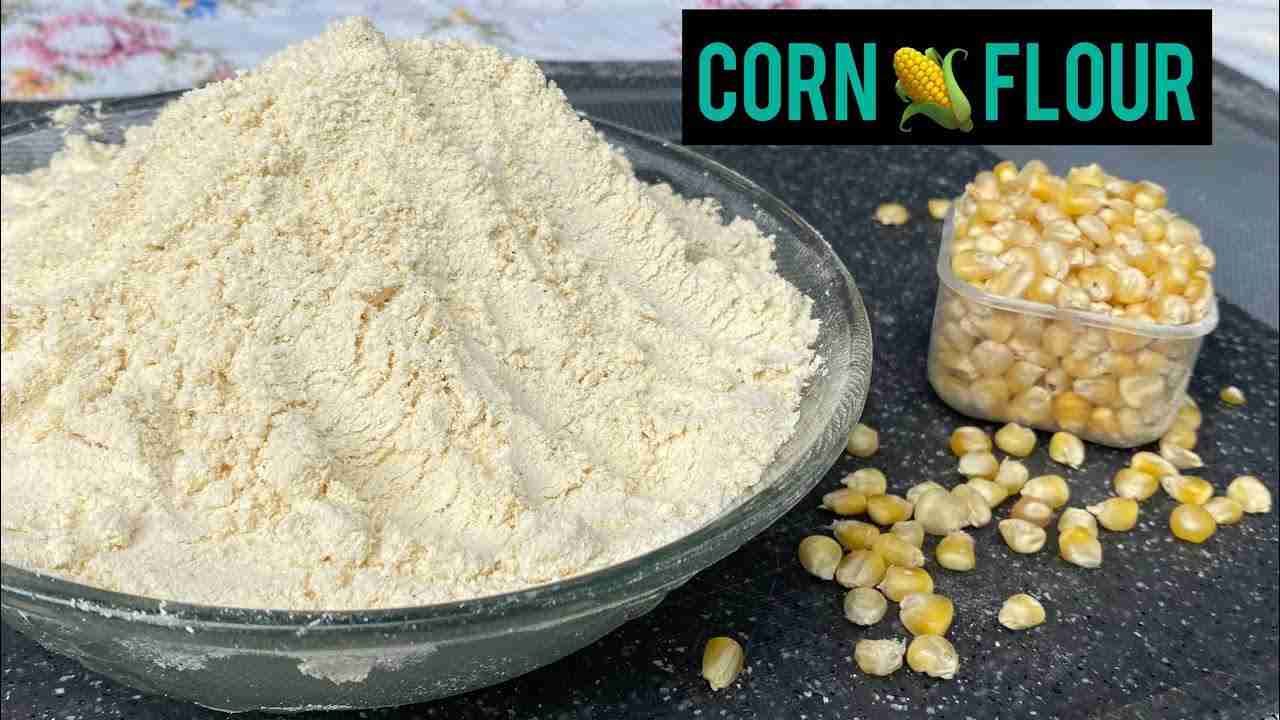
In the journey from raw maize to premium flour, innovative techniques play a pivotal role in enhancing both quality and flavor. Among these methods, dry milling has emerged as a favored approach, effectively preserving the corn’s natural oils and taste, resulting in a more flavorful end product. Additionally, the introduction of wet milling allows for the separation of maize components, leading to adjustments in texture and taste that are tailored to specific culinary uses. The careful selection of varieties and meticulous control over the milling process not only contributes to the flour’s nutritional profile but also to its unique sensory attributes.
Moreover, incorporating cutting-edge technology in quality control ensures that every batch of flour meets stringent standards. Automated systems can analyze variables such as moisture content, protein levels, and grind uniformity with precision, providing invaluable feedback for millers. This reliance on technology does not discount the artisanal aspects of milling. Traditional methods, when blended with modern innovations, create a harmonious balance that respects the heritage of maize while embracing advancements. The resulting product is characterized by its rich flavor, vibrant color, and superior baking performance, appealing to both culinary professionals and home cooks alike.
In Summary
As we draw the curtain on our exploration of maize milling, the journey from grain to gold reveals itself as a compelling blend of science, artistry, and cultural heritage. The transformation of humble maize kernels into versatile flour not only serves as a cornerstone for culinary traditions but also embodies the ingenuity of agricultural practices and milling techniques that have evolved over centuries.
With each step in the milling process—from the careful selection of grains to the meticulous grinding and sifting—one can appreciate the craftsmanship involved in producing a staple that nourishes communities across the globe. This intricate dance between nature and technology invites us to reflect on the importance of honoring our agricultural roots and supporting sustainable practices that will continue to feed future generations.
In a world enriched by diverse flavors and culinary innovations, maize milling stands as a testament to the timeless bond between people and their food. So, the next time you savor a warm tortilla or a steaming bowl of polenta, take a moment to appreciate the journey that brought it to your table—a journey that, like the grain itself, is both simple and profound.




