
In the heart of countless culinary traditions lies a humble yet transformative journey: the metamorphosis of grain to flour. Among the world’s diverse grains, maize stands out as a cornerstone ingredient, cherished for its versatility and rich flavor. But have you ever paused to consider the intricate process that takes a simple ear of corn and converts it into the fine flour that graces your kitchen? “From Grain to Flour: Unveiling the Maize Milling Process” invites you to explore this fascinating journey, where age-old techniques meet modern technology, and the alchemy of nature is unveiled. From harvesting to milling, we will take you through each step, shedding light on the craftsmanship and science behind one of humanity’s most essential staples. Join us as we delve into the grains of maize, revealing the secrets of this ancient practice that continues to nourish and inspire across generations and cultures.
Understanding the Journey from Kernels to Flour
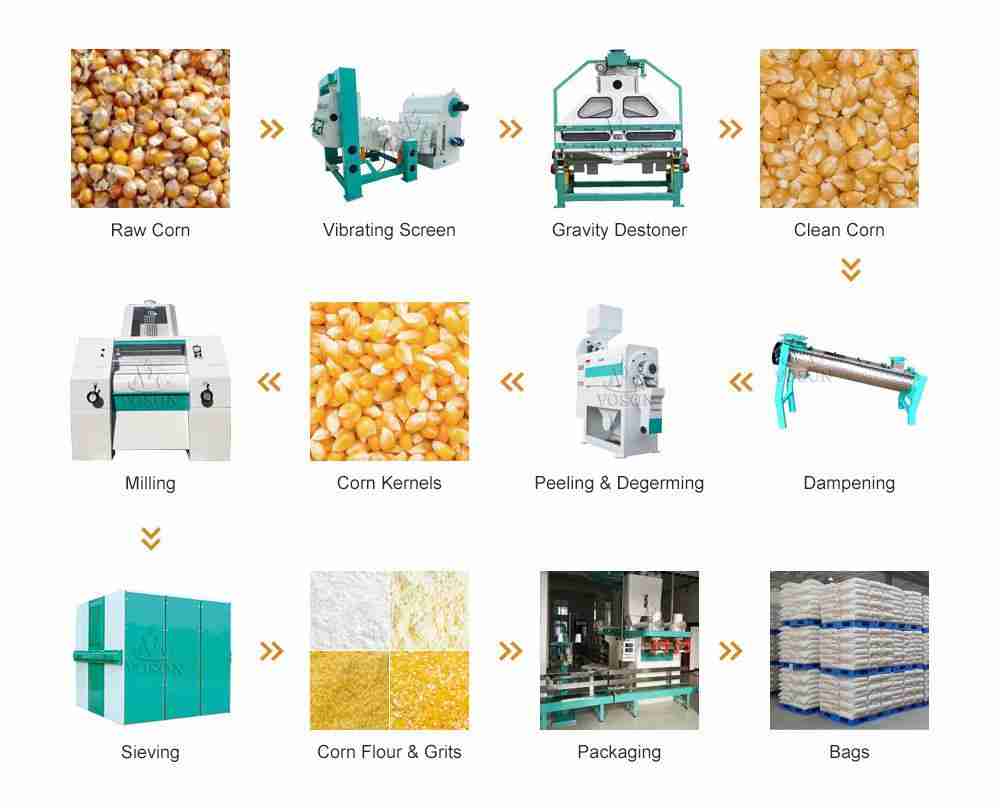
The transformation of maize from its original kernel form into fine flour is a meticulous process that captivates the senses through its sights and sounds. It begins with harvesting, where mature maize is collected from fields. After harvesting, the kernels undergo a thorough cleaning process, which removes unwanted debris such as dirt, leaves, and stones, ensuring that only the finest grains are carried forward. This is followed by drying, an essential step that reduces moisture content, preventing spoilage and maintaining quality. Once dehydrated, the kernels are ready for milling, where they are crushed to separate the germ and bran from the starchy endosperm, laying the groundwork for flour production.
As the milling process unfolds, the precious endosperm is finely ground into powder. This step often involves multiple passes through rollers to achieve the desired texture and consistency. The resulting flour can vary in texture, from coarse to ultra-fine, catering to diverse culinary needs. Below is a simplified overview of the different milling methods and their resulting flour types:
| Milling Method | Flour Type | Texture |
|---|---|---|
| Stone Grinding | Whole Grain Flour | Coarse |
| Roller Milling | All-Purpose Flour | Fine |
| Impact Milling | Cornmeal | Grainy |
the flour is packaged and distributed for use, ready to elevate recipes with its rich flavor and texture. Each step in this journey preserves the essence of maize, contributing to culinary traditions around the world. This process not only highlights the technical skill involved in transforming grains but also emphasizes the vital role of maize in sustenance and gastronomy.
Essential Machinery and Techniques in Maize Milling
In the intricate world of maize milling, the right machinery and techniques form the backbone of a successful operation, ensuring that each kernel is transformed into high-quality flour. Decorticating machines play a crucial role in removing the outer husk of the maize grains, thus increasing the efficiency of subsequent milling. These machines are often paired with grinders, which break down the prepared maize into smaller particles. Hammer mills are particularly popular, utilizing rapidly rotating hammers to pulverize the kernels, effectively turning them into meal or flour while preserving their nutritional content. Additionally, sifters and air separators are used to classify the flour into different grades and remove any remaining impurities, enhancing quality control in the milling process.
Modern maize milling also incorporates sophisticated techniques to enhance productivity and streamline operations. The dry milling method, which is widely adopted, maximizes yield and minimizes waste by utilizing thermal energy to extract moisture before grinding. On the other hand, the wet milling process is favored for producing diverse by-products, such as starch and germ, while ensuring a finer flour consistency. Together, these methods optimize the milling production line. The table below outlines some vital machinery and their respective functions in maize milling:
| Machinery | Function |
|---|---|
| Decorticating Machine | Removes the outer layers of maize |
| Hammer Mill | Grinds maize into flour or meal |
| Sifter | Classifies flour into grades |
| Air Separator | Eliminates impurities from flour |

Quality Control Measures for Optimal Flour Production
Ensuring the production of high-quality flour begins with rigorous quality control measures at every stage of the milling process. From selecting the best maize grains to monitoring the milling operation, these measures are crucial for achieving consistent and superior products. It starts with the careful evaluation of raw materials, where only premium grade maize is sourced from reputable suppliers. Regular laboratory analysis is conducted to assess factors such as moisture content, protein levels, and the presence of contaminants. This systematic approach helps in identifying any potential issues before they can affect the final product.
Once the milling process is underway, operators implement a strict set of standards to maintain quality. Key measures include:
- Continuous Monitoring: Routine checks of the milling machinery to ensure optimal performance.
- Particle Size Analysis: Regular assessments of flour granulation to meet specific market demands.
- Hygiene Protocols: Strict cleanliness standards in the milling environment to prevent contamination.
Additionally, post-production testing plays an essential role in guaranteeing that the flour meets all industry standards. This includes chemical analysis and sensory evaluation to confirm taste and texture. The integration of these quality control measures not only boosts efficiency but also ensures that consumers receive the best maize flour possible.

Innovative Trends and Sustainable Practices in Milling
The milling industry is undergoing a significant transformation through the adoption of innovative technologies and sustainable practices designed to enhance efficiency and reduce environmental impact. Modern milling facilities are increasingly utilizing automation and smart technologies, enabling streamlined operations and reduced waste. This approach not only optimizes the milling process but also ensures higher product quality. Key innovations include:
- Energy-efficient machinery: New machinery designs reduce energy consumption, promoting a greener milling process.
- Water recycling systems: These systems minimize water use in the milling process, decreasing operational costs and environmental footprint.
- Sustainable sourcing: Increased focus on procuring maize from local, eco-friendly farms eliminates transportation emissions and supports local economies.
To further illustrate the industry’s shift towards sustainability, many milling companies are embracing the principles of the circular economy. This concept emphasizes waste minimization by repurposing by-products from milling operations. For instance, maize husks and germ can be transformed into animal feed or even biofuel. The table below highlights some common by-products and their applications:
| By-Product | Application |
|---|---|
| Maize Bran | Nutritional supplements, animal feed |
| Maize Germ | Oil extraction, food additives |
| Husks | Animal bedding, biofuel production |
To Conclude
As we conclude our journey from grain to flour, we have peeled back the layers of the maize milling process, revealing a world where tradition meets technology. From the humble maize kernels, rich with history and nutrition, to the fine flour that graces our kitchens and fuels our culinary creativity, each step in this process plays a vital role in transforming nature’s bounty into a staple of daily life.
Understanding the intricate workings of maize milling not only enhances our appreciation for this versatile grain but also reminds us of the intricate dance between agriculture and industry. This journey is not just about producing flour; it’s about honoring the heritage of maize farming, respecting the craftsmanship of millers, and acknowledging the modern innovations that sustain this age-old practice.
As you sift through your own bags of maize flour, you can now carry with you the story of its transformation. Each grain carries the potential to inspire new dishes, strengthen communities, and nourish generations. In our ever-evolving relationship with food, may we continue to celebrate the journey of grain into flour, embracing both its simplicity and complexity in our daily lives. Happy cooking!




