
The rhythmic hum of machinery, the earthy scent of freshly ground grains - welcome to the captivating world of cereal milling. From humble kernels to fine powdery flour, the process of transforming grains into a staple of our diets is a fascinating journey. Join us as we delve into the intricate world of cereal milling, where science and tradition intersect to produce the building blocks of our daily bread.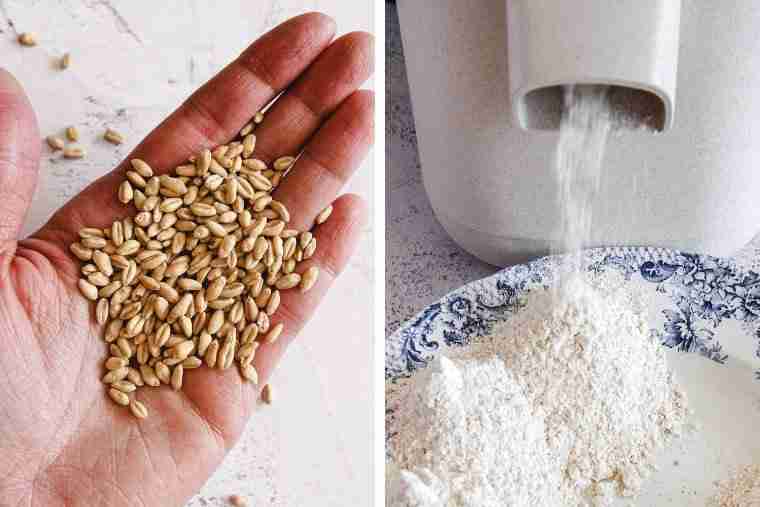
The Role of Cereal Milling in Food Production
Cereal milling plays a crucial role in the food production process, transforming grains into the essential ingredient that is flour. This fascinating world of cereal milling involves intricate machinery and processes that have been developed and refined over centuries. The end result is a versatile and staple product that is used in a wide variety of food products.
As grains go through the milling process, they are broken down, refined, and sifted to create different types of flour with varying textures and qualities. This ensures that the flour can be used for a multitude of purposes, from baking bread and pastries to thickening soups and sauces. Cereal milling also plays a vital role in ensuring food security by providing a consistent and reliable source of flour for communities worldwide.
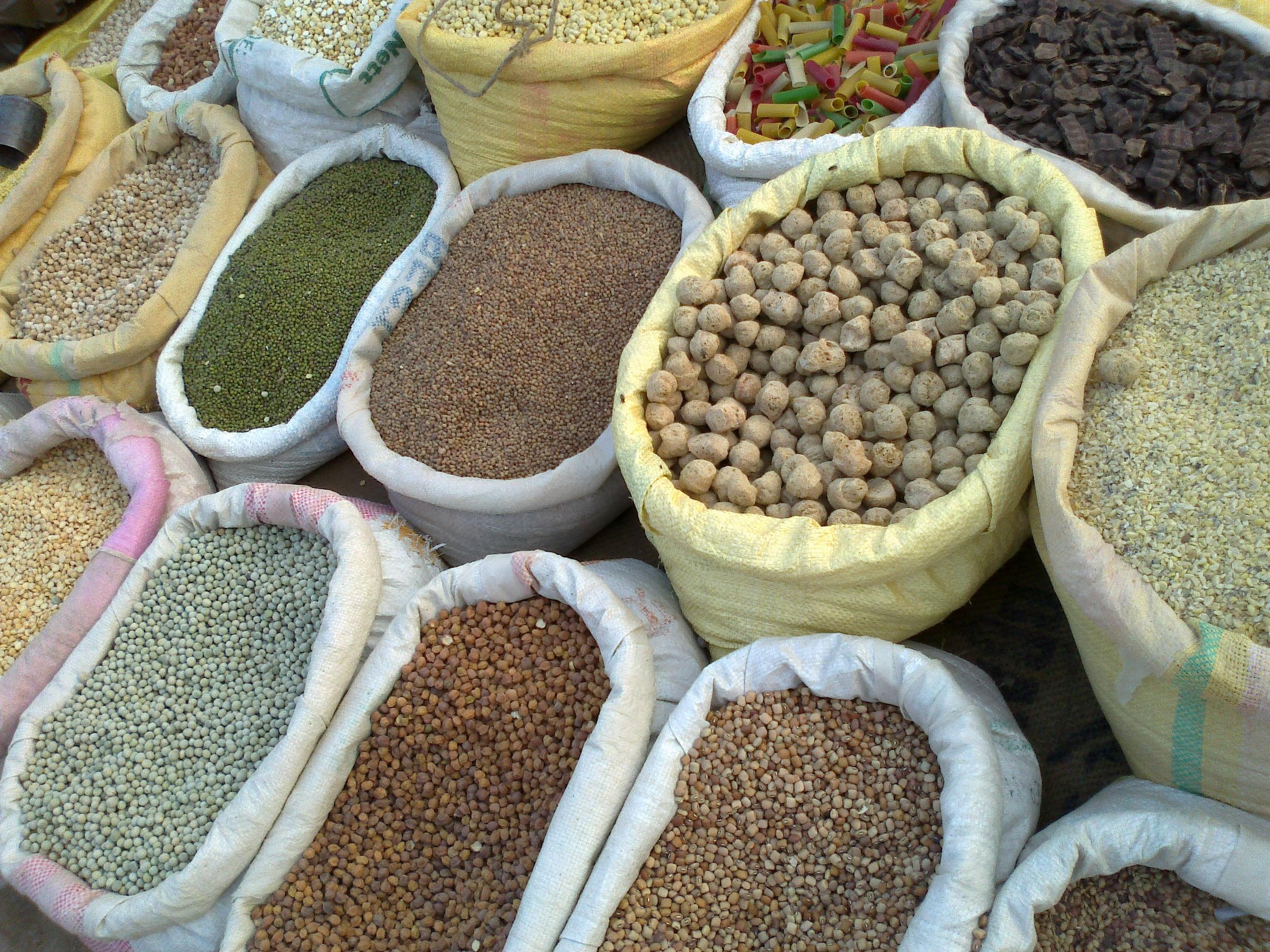
Exploring the Milling Process: From Grain to Flour
Once grains are harvested, they undergo a complex process that transforms them into the pantry staple we know as flour. The journey from grain to flour involves several intricate steps that require precision and expertise. The milling process not only grinds the grains into a fine powder but also ensures that the final product retains its nutritional value and quality.
From cleaning and conditioning the grains to grinding and sifting them into different types of flour, cereal milling is a fascinating world of innovation and tradition. Each type of grain, whether wheat, corn, or rice, requires unique techniques to bring out its best qualities. By understanding the intricacies of the milling process, we gain a deeper appreciation for the art and science behind our daily bread.
Understanding the Importance of Milling Techniques
Cereal milling is a vital process that transforms grains into the essential staple food product, flour. provides insight into the fascinating world of cereal processing. One key aspect of milling is the removal of the outer layers of the grain to expose the starchy endosperm, which is then ground into flour.
Efficient milling techniques not only yield high-quality flour but also contribute to the nutritional value and overall taste of the final product. The utilization of advanced technology and precise milling equipment plays a crucial role in achieving the desired flour consistency and texture. Additionally, proper milling techniques help preserve the natural flavors and nutrients present in the grain, making it a crucial step in the production of various food products. Mastering the art of cereal milling is essential for producing high-quality flour that meets the demands of consumers worldwide.
Tips for Choosing Quality Flour for Baking
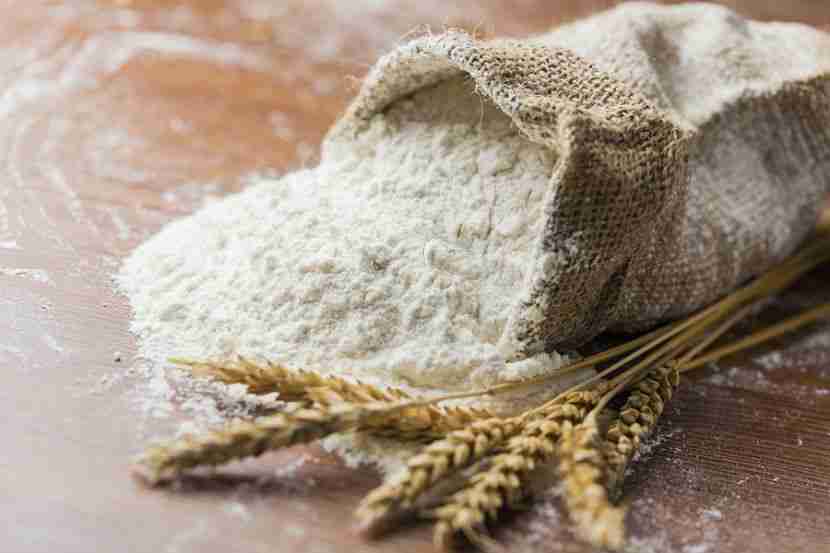
When it comes to baking, choosing the right flour is essential for achieving the perfect texture and flavor in your baked goods. Here are some tips to help you select the highest quality flour for your next baking project:
- Look for a high protein content: Protein content is a key factor in determining the strength of the flour and its ability to create structure in baked goods.
- Consider the type of wheat: Different types of wheat, such as hard red winter wheat or soft white wheat, produce flours with varying levels of gluten and protein content.
- Check for freshness: Freshly milled flour will provide better flavor and rise in your baked goods compared to older, stale flour.
By taking these factors into consideration, you can ensure that you are using the best quality flour for your baking needs. Remember, the type of flour you choose can make a significant difference in the final outcome of your baked creations!
Wrapping Up
As we have delved into the intricate process of cereal milling, we have gained a new appreciation for the journey that grain takes to become the essential ingredient that fuels our daily lives. From the rhythmic hum of the millstones to the fine dusting of flour that fills the air, the world of cereal milling is a mesmerizing blend of artistry and craftsmanship. So the next time you enjoy a fresh loaf of bread or indulge in a stack of fluffy pancakes, take a moment to savor the flavors and textures that are the result of this age-old tradition. Remember, from grain to flour, there is a story waiting to be explored at every turn.




