
In the heart of every loaf of bread, a delicate transformation takes place—one that has been honed over centuries, blending the artistry of craftsmanship with the precision of science. “From Grain to Flour: The Art and Science of Cereal Milling” invites you to embark on a journey that begins in verdant fields, where golden grains sway gently in the breeze, and culminates in the soft, powdery flour that forms the foundation of countless culinary creations. This exploration delves into the intricate processes that convert raw cereal grains into the finely milled flour used in baking, cooking, and more. As we uncover the techniques employed by millers and the innovations that have shaped milling technology, we’ll discover how both tradition and modern science play pivotal roles in this essential craft, ensuring that every sprinkle of flour carries with it a legacy of flavor, nutrition, and sustainability. Join us as we unravel the threads of history, technique, and the extraordinary journey of grain into the kitchen pantry.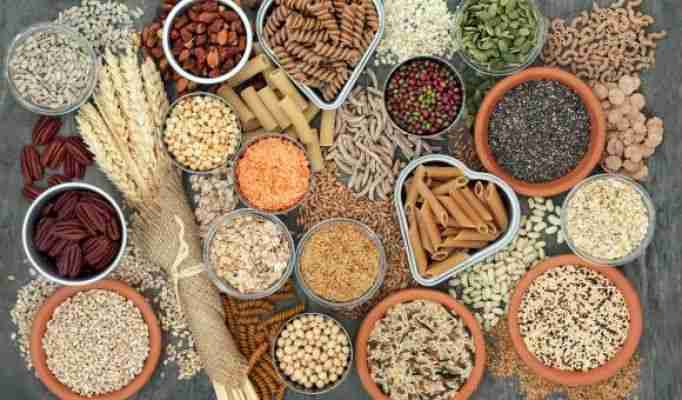
The Journey of Whole Grains: Understanding the Milling Process
The journey of transforming whole grains into fine flour is a remarkable blend of art and science, involving meticulous techniques that have been refined over centuries. Milling begins with the selection of high-quality grains—like wheat, barley, and oats—that are sourced from diverse agricultural regions. Each type of grain has unique properties that influence the final flour characteristics, such as its texture and flavor. Once harvested, the grains undergo a cleaning process, which removes impurities such as dirt, stones, and other foreign materials. This essential first step ensures that only the best grains are set to enter the milling process.
Next, the grains move to the milling machines, which are designed to optimize extraction efficiency while preserving the nutritional benefits of the grain. The milling process is typically divided into several stages:
- Breaking: The grains are cracked open to release the endosperm, bran, and germ.
- Sifting: The cracked grains are separated by size to isolate components for further milling.
- Grinding: The endosperm is ground into flour using a variety of milling techniques including stone and roller milling.
- Blending: Different flour types may be blended to achieve specific characteristics desired by bakers.
Throughout these stages, the moisture content and temperature are carefully regulated to maximize quality, resulting in flour that possesses the desired protein level and gluten strength for baking. Understanding the milling process unveils the hidden complexities behind the flour we use, showcasing how each step in this journey is responsible for the quality of our final baked goods.
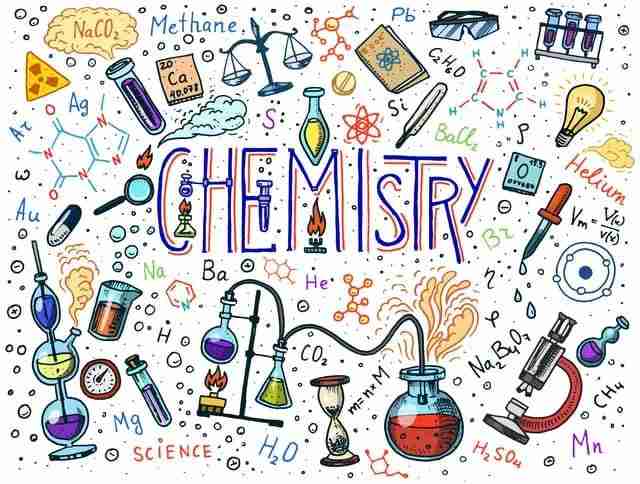
Exploring the Chemistry of Flour: The Role of Gluten and Starch
The transformation of grain into flour is not merely a mechanical process; it is fundamentally a chemical one. At the heart of this transformation are two key components: gluten and starch. Gluten, a protein complex formed when water is added to flour, becomes elastic and provides structure to baked goods. As flour is mixed and kneaded, gluten strands develop, enabling dough to trap air bubbles during fermentation and consequently rise in the oven. This process results in the delightful textures we expect in breads, pastries, and pasta. On the other hand, starch, which makes up a significant portion of flour, acts as a source of energy for yeast during fermentation and contributes to the thickening and stability of batters and doughs. The intricate dance between gluten and starch is what gives each type of flour its unique properties and behaviors in various culinary applications.
Understanding the ratios of gluten and starch in different types of flour can greatly enhance culinary success. The following table outlines the composition of various common flours along with their typical protein content, which correlates directly with gluten formation:
| Type of Flour | Protein Content (%) | Main Use |
|---|---|---|
| All-Purpose Flour | 10-12 | Baking and General Cooking |
| Bread Flour | 12-14 | Bread and Pizza Dough |
| Cake Flour | 7-9 | Cakes and Pastries |
| Whole Wheat Flour | 13-15 | Breads and Whole Grain Products |
As bakers and chefs experiment with these flours, they can manipulate the ratio of gluten and starch to achieve desired textures and flavors. For example, adding vital wheat gluten to a low-protein flour can create a chewy texture perfect for artisan bread, while using cake flour will yield a tender crumb in delicate pastries. The artistry of milling extends beyond mere grain grinding; it is a chemistry that, when understood, opens the door to endless culinary possibilities.
Choosing the Right Mill: A Guide to Different Milling Techniques
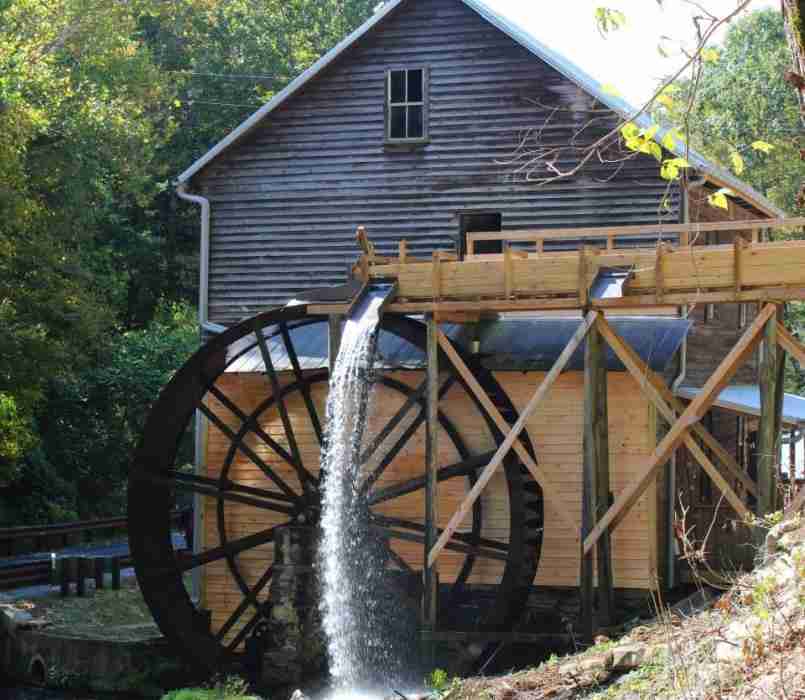
Choosing the right milling technique is essential for transforming grains into flour while preserving their nutritional value, flavor, and quality. Various milling methods come into play, each suited for different grain types and desired flour characteristics. Techniques include stone milling, which employs natural stones to crush the grain, resulting in a more artisanal flour with a coarser texture. Roller milling, on the other hand, utilizes metal rollers to finely grind grains, producing a finer, more uniform flour that is ideal for commercial baking. Understanding these techniques allows millers to select the best method for their specific requirements, impacting everything from texture to nutrient retention.
To make an informed decision, consider factors such as grind size, grain type, and end use. The following table summarizes common milling techniques, showcasing their primary characteristics:
| Milling Technique | Grind Size | Best For |
|---|---|---|
| Stone Milling | Coarse to Medium | Artisan Breads |
| Roller Milling | Fine | Baked Goods |
| Hammer Milling | Varied | Animal Feed |
| Impact Milling | Very Fine | Specialty Flours |
Other techniques, such as sifting and air classification, also play pivotal roles in achieving desired flour qualities by separating fine particles from coarser ones. Crafting the perfect flour involves a delicate balance of these techniques, which ultimately influences the end product’s performance in baking and cooking. Ultimately, understanding these options is vital for millers dedicated to producing high-quality flour that meets the needs of both commercial clients and home bakers.

Sustainability in Milling: Practices for a Greener Grain Supply Chain
As the demand for sustainable practices grows within the agricultural sector, milling operations are adopting innovative methods to minimize their environmental footprint. These practices not only preserve the planet but can also enhance product quality and efficiency in processing. Energy-efficient machinery is at the forefront, as mills increasingly invest in technology designed to reduce energy consumption. Additionally, waste reduction strategies, such as recycling by-products and optimizing production processes, play a crucial role in fostering a greener supply chain.
Moreover, sustainable milling integrates local sourcing of grain, which shortens supply routes and reduces transportation emissions. By partnering with nearby farmers, mills can support local economies while ensuring the freshness and quality of their products. Consider the following sustainable milling practices that contribute to a greener grain supply chain:
- Water conservation: Implementing techniques like closed-loop water systems.
- Organic grains: Sourcing grains grown without synthetic pesticides or fertilizers.
- Eco-friendly packaging: Utilizing biodegradable or recyclable materials.
- Carbon offsetting: Investing in initiatives that balance out emissions incurred during milling.
| Practice | Benefit |
|---|---|
| Energy-efficient machinery | Reduces electricity consumption |
| Local sourcing | Minimizes transportation emissions |
| Waste reduction strategies | Promotes resourcefulness and sustainability |
| Organic grain sourcing | Supports healthier ecosystems |
Concluding Remarks
As we conclude our journey from grain to flour, we find ourselves at the intersection of art and science, where centuries of tradition meet cutting-edge technology. The process of cereal milling, though often overlooked, is a meticulous craft that transforms humble grains into the foundation of our daily sustenance. Every step, from selecting the right grain to the final grind, reveals the delicate balance between nature’s bounty and human ingenuity.
The next time you sprinkle flour into your mixing bowl or savor the aroma of freshly baked bread, take a moment to appreciate the journey that brought it to your table. With each kernel that is milled, the story of agriculture, innovation, and culinary tradition unfolds, reminding us of the intricate connections woven through our food systems.
As we continue to celebrate and explore the intricate processes behind our food, let us honor the millers who skillfully blend knowledge and artistry to enrich our kitchens. Indeed, the milling process is more than just a means to an end; it is a testament to the age-old synergy between man, machine, and nature—an elegant dance that fuels our lives with vitality, flavor, and history.




