
From Grain to Breakfast: The Art and Science of Cereal Milling
In the early morning light, the ritual of breakfast begins—families gather at tables, spoons clink against bowls, and the earthy scent of cereal wafts through the air. Yet, while we relish the crunch of our favorite flakes or the comforting warmth of porridge, few pause to consider the journey that each bite has taken. From golden fields swaying under the sun to the vibrant packages lining grocery store shelves, the process of transforming humble grains into breakfast staples is a fascinating interplay of art and science. The intricate world of cereal milling, a blend of traditional craftsmanship and cutting-edge technology, plays a critical role in this transformation. In this article, we delve into the meticulous steps of cereal milling, exploring the techniques, innovations, and history that together create the beloved breakfast foods we often take for granted. Join us as we uncover the mysteries behind our morning meal, revealing the labor and expertise that bring grain to our tables, one crunchy bite at a time.
Understanding the Grain: Types and Their Unique Qualities
The world of cereals is as diverse as the grains from which they are made, each type offering its own unique qualities that contribute to the final product in your bowl. Wheat, renowned for its versatility, is often the backbone of breakfast cereals. Its high gluten content makes it ideal for creating those delightful, crunchy textures. On the other hand, oats shine in their ability to become creamy and hearty. Rich in beta-glucans, they not only add a pleasing mouthfeel but also offer heart health benefits. Other grains like corn, with its sweet taste, and barley, known for its nutty profile, each bring unique flavors and nutritional benefits to the breakfast table.
When exploring the realm of grains, it’s essential to consider how their characteristics influence not just taste, but also texture and nutritional value. Here are some notable grains and their qualities:
| Grain | Key Qualities | Typical Uses |
|---|---|---|
| Wheat | High gluten content, versatile | Cereals, bread, pastries |
| Oats | High in fiber, creamy texture | Granola, oatmeal, bars |
| Corn | Sweet, colorful, crunchy | Flakes, pops, snacks |
| Barley | Nuttiness, chewy texture | Soups, stews, cereals |

The Milling Process: Transforming Whole Grains into Fluffy Flakes
The milling process is a fascinating journey that takes whole grains and transforms them into the fluffy, airy flakes we cherish at breakfast. It begins with the careful selection of grains, ensuring quality and flavor profiles that meet the desired characteristics of the final product. Once selected, the grains undergo a thorough cleaning to remove impurities, followed by a meticulous soaking process that helps prepare them for milling. The essential steps include:
- Grinding: Using rollers or stones to crush the grains into coarse flour.
- Sifting: Separating flour from bran and germ to achieve the desired texture.
- Flaking: Steaming and flattening the grains into delicate flakes for a light finish.
Each step in the milling process plays a crucial role in determining not only the texture but also the flavor and nutritional value of the cereal. During the flaking stage, the grains are often subjected to heat and moisture to soften them, allowing for optimal flattening. The final product can vary based on the grain type used, leading to an exciting diversity in the cereals available on the market. Consider the following comparison of popular grains used in breakfast cereals:
| Grain Type | Texture | Nutritional Benefits |
|---|---|---|
| Oats | Chewy and nutty | High in fiber and antioxidants |
| Rice | Light and crispy | Gluten-free and easily digestible |
| Wheat | Crunchy and hearty | Rich in vitamins and minerals |
Nutritional Impacts: What You Need to Know About Cereal Ingredients
When it comes to breakfast cereals, understanding the nutritional composition of the ingredients is vital for making informed choices. The core components of cereals typically include grains, sweeteners, flavorings, and fortifications. Each ingredient plays a significant role in both the flavor profile and health benefits of the final product. For instance, whole grains are rich in fiber, which aids digestion, while added sugars enhance taste but may contribute to caloric excess if consumed in excessive amounts. To weigh these factors, consider the following ingredients commonly found in cereals:
- Whole Grains: Offer essential nutrients and promote satiety.
- Fibers: Beneficial for gut health; helps balance sugar levels.
- Vitamins and Minerals: Often fortified to enhance nutritional value.
- Artificial Sweeteners: May reduce calorie intake, but potential health implications exist.
It can be helpful to take a closer look at the nutritional facts when choosing cereals. Understanding the balance between these ingredients can empower consumers to select the best options for their dietary needs. A glance at a typical cereal’s nutritional breakdown can reveal a lot:
| Ingredient | Nutritional Benefit |
|---|---|
| Whole Oats | High in fiber, supports heart health. |
| Sugar | Enhances flavor; too much can lead to health issues. |
| Vitamin D | Supports bone health and immune function. |
| Almonds | Provides healthy fats and protein. |
By taking a nuanced look at these contributions, consumers can better appreciate how each element of their breakfast choice impacts overall wellness. It’s not only about what looks good on the box; it’s also about what nourishes the body inside. Balance is key in crafting a breakfast that meets individual health goals while still being enjoyable.
Choosing the Right Cereal: Tips for Healthy Breakfast Decisions
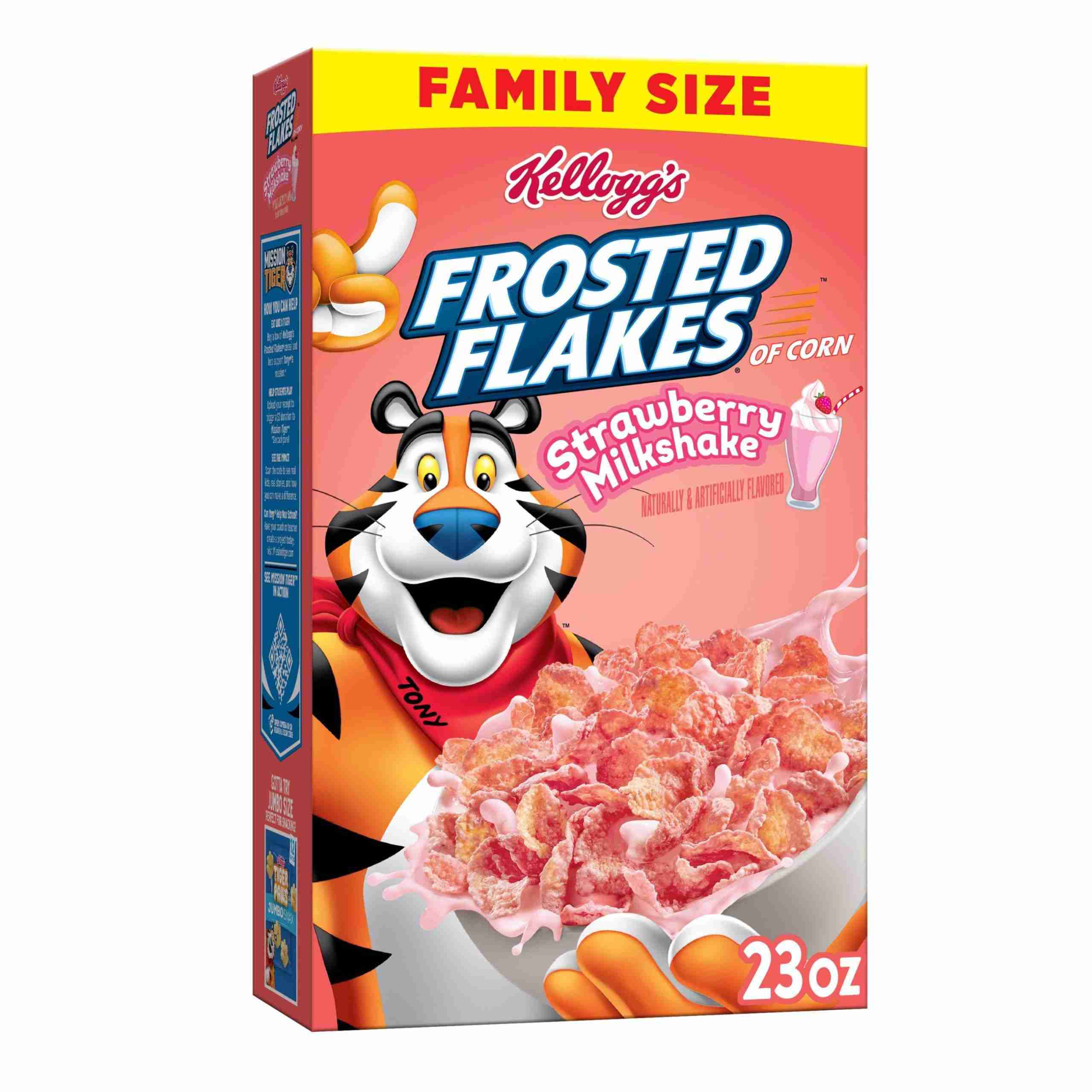
When it comes to selecting the perfect cereal for a healthy breakfast, understanding labels is crucial. Whole grains should be your primary focus, as they provide essential nutrients and dietary fiber. Look for cereals where whole grains are listed first on the ingredient list. Pay attention to added sugars too; many cereals are laced with sweeteners that can turn a healthy meal into a sugary snack. Aim for cereals with less than 10 grams of sugar per serving. Additionally, consider the presence of added vitamins and minerals which can enhance the nutritional profile.
Another aspect to consider is the texture and flavor of the cereal. Some people prefer a crunchy experience, while others enjoy a softer, chewable texture. Choosing a variety of textures can also add excitement to your breakfast routine. High-fiber cereals not only support digestive health but also keep you feeling fuller for longer. Here’s a quick comparison of fiber content in some common breakfast cereals:
| Cereal | Fiber (grams per serving) | Sugar (grams per serving) |
|---|---|---|
| Oatmeal | 5 | 1 |
| Bran Flakes | 7 | 6 |
| Granola | 4 | 15 |
| Rice Krispies | 1 | 3 |
Remember, the right cereal can set the tone for a healthy day, making it worth taking the time to choose wisely. Incorporating fruits, nuts, or seeds can further enhance the nutritional value and flavor of your breakfast, creating a balanced meal to kickstart your morning.
In Summary
As we draw the curtain on our exploration of the journey from grain to breakfast, it becomes clear that cereal milling is a fascinating blend of art and science. Each step—from selecting the finest grains to the intricate milling processes—plays a crucial role in transforming simple seeds into the crunchy delights that grace our morning tables. Understanding this intricate craft not only deepens our appreciation for our daily cereal but also highlights the careful balance of tradition and innovation that defines the food industry today.
The next time you pour a bowl of your favorite cereal, take a moment to reflect on the centuries of expertise and technological advancements that have culminated in that simple act. With every bite, you partake in a rich legacy that connects farmers, millers, and consumers in a shared tradition of nourishment and innovation. Embracing this perspective opens up a world where breakfast becomes not just a meal, but a celebration of the remarkable journey of the humble grain. So, as you enjoy your next breakfast, let the story of cereal milling inspire your day—a reminder that even the simplest pleasures can be steeped in depth and complexity.




