
From Grain to Bowl: The Art and Science of Cereal Processing
In the early morning light, as the world awakes and the aroma of freshly brewed coffee fills the air, many people reach for a bowl of cereal—a ritual that has become a staple in households around the globe. But behind this seemingly simple act lies a complex interplay of art and science, a journey that begins in the fields and culminates in the breakfast table. From the rich, fertile soils that nurture the grains to the intricate machinery that processes them, cereal production is an elaborate orchestration of nature and technology. In this article, we delve into the fascinating process of cereal manufacturing, exploring the meticulous steps that transform humble grains into the convenient, delightful cereals we cherish. Join us as we uncover the secrets of this age-old tradition, where innovation meets tradition and every spoonful tells a story.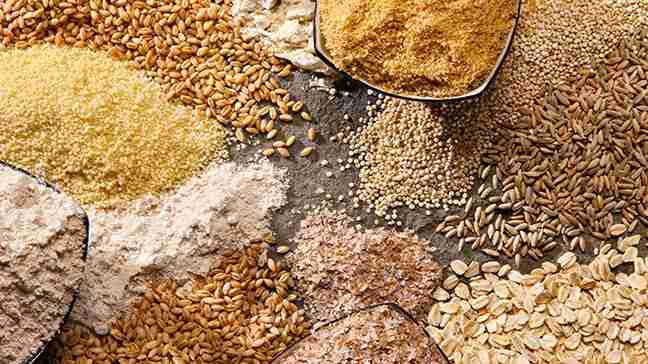
Exploring the Journey of Grains from Harvest to Table
The journey of grains is a fascinating blend of nature’s bounty and human ingenuity. Each grain begins its life in vast fields, nurtured by the sun, rain, and fertile soil. Once harvested, these golden treasures undergo a meticulous process that transforms them into the cereal products we find on our breakfast tables. The first step is cleaning, which ensures that impurities such as stones and chaff are removed, followed by milling, where the grains are ground into different textures. Notably, whole grains retain their outer bran and germ, offering a wealth of nutrients, while refined grains undergo a further process to create a smoother, lighter product.
Next, the grains are subjected to a series of treatments to enhance flavor, texture, and shelf life. Through toasting and flaking, cereals gain their distinct crunch and aroma that make them irresistible. This is often accompanied by enrichment, where vitamins and minerals are added back to processed grains to compensate for those lost during milling. The final stage of this transformative journey culminates in packaging, where the grains are sealed in boxes or bags, ready to be shipped worldwide.
| Stage | Process | Purpose |
|---|---|---|
| Harvesting | Gathering ripe grains | Collection of raw ingredients |
| Cleaning | Removing impurities | Ensuring quality |
| Milling | Grinding into flour or flakes | Creating the base product |
| Treatment | Toasting, flaking, enrichment | Enhancing taste and nutrition |
| Packaging | Sealing for distribution | Ready for market |

Understanding the Nutritional Transformation in Cereal Processing
The journey from whole grains to breakfast cereals involves a fascinating interplay of science and art, significantly altering the nutritional profile of the original grain. During this transformation, various processing techniques such as milling, flaking, and extrusion modify the physical and chemical properties of grains. These methods not only enhance the texture and digestibility of cereals but also impact their nutrient availability. For instance, the process of milling removes bran and germ, which are rich in dietary fiber, vitamins, and minerals, resulting in a product that is less nutritious but often more palatable.
To address the nutritional gaps created during processing, manufacturers often turn to fortification. This practice involves adding essential vitamins and minerals back into cereals, thereby enhancing their health benefits. Common nutrients added include iron, folic acid, and B vitamins. A quick comparison of processed versus whole grain cereals can illustrate the nutritional transformation:
| Nutrient | Whole Grain Cereal | Processed Cereal |
|---|---|---|
| Dietary Fiber | 4g | 1g |
| Iron | 0.5mg | 10mg (fortified) |
| Folic Acid | Not present | 100µg (fortified) |
Ultimately, understanding the nutritional transformation that occurs during cereal processing is essential for consumers aiming to make informed dietary choices. By recognizing the balance between convenience and nutrition, individuals can navigate their way through the cereal aisle, prioritizing options that align with their health goals.

Innovative Techniques in Cereal Production for Enhanced Quality
Advancements in cereal production are revolutionizing the industry, focusing on methods that enhance both the quality and nutritional value of cereals. One innovative technique is the use of precision agriculture technologies. By utilizing drones and IoT devices, farmers can monitor crop health in real-time, optimizing inputs like water and fertilizer for maximal yield. Furthermore, the genetic modification of crops has made it possible to develop varieties that are more resistant to pests and diseases, ensuring a sustainable and efficient production cycle. Other noteworthy practices include:
- Hydroponic Farming: Cultivating cereals in nutrient-rich water allows for greater control over growth conditions.
- Soil Microbiome Management: Enhancing soil health through microbial diversity leads to stronger plants and increased nutrient uptake.
- Vertical Farming Techniques: Utilizing urban spaces for cereal cultivation maximizes land use and decreases transportation emissions.
Additionally, processing techniques have evolved, emphasizing the importance of whole grain utilization and minimal processing methods that preserve nutrients. A noteworthy approach is cold-extrusion technology, which not only maintains vital nutrients but also improves texture and taste. The shift towards functional cereals enriched with vitamins and minerals is another emerging trend. As consumer preference leans towards healthier options, manufacturers are increasingly developing products that integrate beneficial ingredients such as:
| Ingredient | Health Benefit |
|---|---|
| Flaxseeds | Rich in Omega-3 fatty acids |
| Quinoa | Complete protein source |
| Chia seeds | High in fiber and antioxidants |
These innovative techniques and practices not only cater to the modern consumer’s expectations of quality and nutrition but also pave the way for a more sustainable future in cereal production. By embracing both art and science, the cereal industry is transitioning into a realm of possibilities, where every bowl tells a story of care, innovation, and health.
Sustainable Practices in the Cereal Industry for a Healthier Future
In the cereal industry, sustainable practices are becoming a vital focus for manufacturers aiming to balance economic viability with environmental responsibility. Utilizing regenerative farming techniques helps restore soil health and increase biodiversity, ensuring that the grains sourced are not just abundant, but also grown in a manner that protects ecosystems. Furthermore, improved water management systems can minimize waste, promoting conservation during irrigation. As companies investigate innovative ways to reduce their carbon footprint, many are adopting renewable energy sources for processing plants, significantly lowering greenhouse gas emissions associated with cereal production.
Additionally, research into waste reduction strategies is gaining traction, with companies implementing measures to repurpose byproducts such as bran and husks for animal feed or ingredient supplements. Transparent supply chains are also playing a crucial role, allowing consumers to make informed choices about the origins of their cereals. The incorporation of biodegradable packaging and bulk-buy options is reducing the reliance on plastic, thus contributing to a circular economy. Below is a simple overview of some sustainable practices currently transforming the cereal industry:
| Practice | Description |
|---|---|
| Regenerative Agriculture | Soil-building techniques that enhance biodiversity. |
| Water Conservation | Efficient irrigation and management to preserve water. |
| Renewable Energy | Utilizing solar and wind power in processing facilities. |
| Waste Repurposing | Transforming byproducts into usable materials. |
| Eco-Friendly Packaging | Adopting biodegradable and recyclable materials. |
The Conclusion
As we reach the end of our exploration into the intricate journey of cereal processing, it becomes evident that each bowl of cereal tells a story—a tale woven from the hard work of farmers, the ingenuity of scientists, and the craftsmanship of manufacturers. From the golden fields where grains sway under the sun to the precision-driven facilities where they are transformed, every step is a testament to the delicate balance of art and science.
Understanding this process not only enhances our appreciation for the breakfast staple we often take for granted, but it also invites us to consider the broader implications of our food choices. As we pour those flakes into our bowls, let us remember the meticulous journey they undertook and the myriad of factors that contribute to their nutritional value and taste. With this knowledge, we can make more informed decisions about what we consume and foster a deeper connection to the foods that nourish us.
In an ever-evolving landscape where tradition meets innovation, the art of cereal processing continues to thrive, promising yet another chapter in the ongoing narrative of our food systems. As you savor your next morning meal, take a moment to reflect on the incredible journey from grain to bowl—an endeavor that nourishes not just our bodies, but also our collective appreciation for the complexity of nature and the ingenuity of humankind.




