
In the heart of a bustling mill, a transformative process takes place that turns humble grains into the breakfast staples we savor each morning. “From Grain to Bowl: The Art and Science of Cereal Milling” invites readers on a captivating journey through the intricate world of milling—where tradition meets innovation. This age-old craft has evolved with advancements in technology and a deeper understanding of the science behind grain processing. As we delve into the meticulous techniques that unlock the full potential of cereals, we will explore the delicate balance between art and science, revealing how each grain tells a story of its origin and purpose. Join us as we uncover the journey from field to fork, celebrating the skilled hands and technological precision that bring nutrition and flavor to our bowls.
The Journey of Grain: Understanding the Milling Process
The evolution of grain into flour is a fascinating synchronization of nature and technology, where each step of the milling process plays a critical role in defining the final product. Initially, it begins with the careful selection of grains such as wheat, corn, or rye, chosen for their quality and purpose. The cleaning phase follows, ensuring that any foreign materials, such as dirt or stones, are thoroughly removed. This step is vital, as impurities can adversely affect both the flavor and safety of the flour. Once cleaned, the grains are tempered, a process where water is added to adjust moisture content, making them easier to mill and enhancing flour quality.
Next comes the heart of milling: the grinding process itself. Traditionally, grain was crushed between two large stones, but modern milling employs advanced machinery like roller mills, which provide precision and efficiency. During grinding, the grain is broken down into finer particles while preserving the endosperm, bran, and germ—the three essential parts of the grain that contribute to flavor and nutrition. Milling involves various techniques:
- Breaking: The grain is fractured into smaller pieces.
- Sifting: The flour is separated by size to achieve different grades.
- Blending: Combining flours to reach specific criteria, like protein content.
Through these meticulous stages, we witness the transformation of raw grains into versatile flour, ready to become the foundation of countless recipes around the world.
Nutritional Value Unlocked: How Milling Affects Cereal Quality
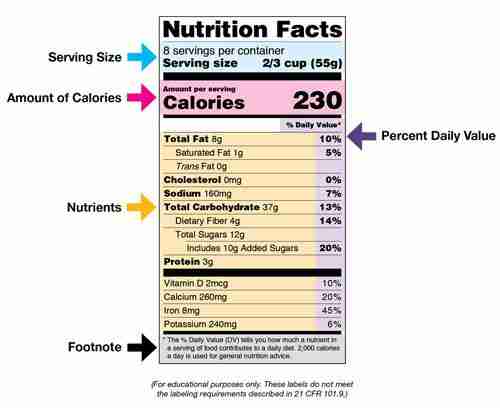
Milling is a transformative process that significantly alters the nutritional profile of cereals, impacting everything from taste to health benefits. When grains are milled, the outer layers, which contain essential nutrients, are often removed. This leads to notable shifts in the availability of vitamins, minerals, and fiber. While refined grains may have a smoother texture and longer shelf life, they often contain lower amounts of important nutrients. Key nutrients affected by milling include:
- Fiber: Usually concentrated in the bran, a significant portion vanishes during the milling process.
- Vitamins: Whole grains are rich in B vitamins, such as thiamin and niacin, which can be reduced in refined products.
- Minerals: Essential minerals like iron and magnesium are prevalent in the germ and bran, but may be lost when grains are milled.
To ensure cereal foods retain their health benefits, advancements in milling technology have emerged. These methods focus on balancing the removal of undesirable outer layers while preserving key nutrients. For instance, certain techniques allow for the fortification of products to counteract nutrient loss, allowing manufacturers to enhance the nutritional quality of finished cereals. The table below illustrates how different milling methods compare in terms of nutrient retention:
| Milling Method | Fiber Retention | Vitamin B Retention | Mineral Retention |
|---|---|---|---|
| Traditional Milling | Low | Medium | Low |
| Stone Milling | High | High | Medium |
| Modern Roller Milling | Very Low | Low | Very Low |

Innovations in Milling Technology: Enhancing Efficiency and Sustainability
Advancements in milling technology have transformed the way cereal grains are processed, resulting in significant enhancements in both efficiency and sustainability. Modern milling facilities are now equipped with state-of-the-art machinery that incorporates automation, reducing human error and increasing throughput. Technologies such as high-efficiency roller mills and integrated cleaning systems minimize waste generation and improve the quality of the final product. Some key innovations include:
- Smart Monitoring Systems: Utilizing IoT sensors to track and optimize milling parameters in real-time.
- Energy-Efficient Equipment: Machines designed to consume less power while maximizing output and reducing noise pollution.
- Eco-Friendly By-products: Systems that convert milling waste into valuable co-products, such as animal feed or bioenergy.
These advancements not only aim to enhance production processes but also place a significant emphasis on sustainability. The incorporation of renewable energy sources and the implementation of zero-waste practices are now integral components of modern milling operations. By adopting bioenergy solutions and recycling water used in the production cycle, milling facilities can significantly reduce their ecological footprint. The following table illustrates a comparison of traditional and modern milling practices:
| Aspect | Traditional Milling | Modern Milling |
|---|---|---|
| Energy Consumption | High | Lower |
| Waste Generation | Higher | Minimal |
| Production Speed | Moderate | High |
| By-products Utilization | Limited | Innovative |
As the industry continues to innovate, it is clear that the future of cereal milling will be characterized by a balanced approach that harmonizes production efficiency with ecological responsibility, paving the way for a sustainable food supply chain.

Crafting the Perfect Cereal: Tips for Choosing and Using Milled Grains
When embarking on the journey of crafting your own cereal, the choice of milled grains is paramount. Start by identifying the type of grain that aligns with your flavor profile and nutritional goals. Consider options like oats, wheat, and barley, each bringing its own unique attributes to the bowl. To ensure freshness and maximize taste, source your grains from local mills or reputable suppliers. Don’t hesitate to experiment with blends of milled grains; for instance, combining whole grain oats with a touch of spelt can provide an enticing nutty flavor while enhancing the nutritional profile.
Once your grains are selected, the next step involves thoughtful preparation. Toasting the milled grains lightly before incorporation can unlock deeper flavors and aromas, offering a more robust base for your cereal. Pay attention to the texture during milling; a finer grind allows for smooth consistency, while coarser grinds can add delightful crunch. For added customization, enhance your cereal with toppings such as dried fruits, nuts, and seeds. Here’s a simple guide for creating well-balanced cereal blends:
| Grain Type | Flavor | Nutritional Benefits |
|---|---|---|
| Oats | Mild, creamy | High in fiber, heart-healthy |
| Spelt | Nutty, sweet | Rich in protein, vitamins, and minerals |
| Rye | Earthy, robust | Supports digestive health, low in fat |
In Retrospect
As we reach the end of our journey through the intricate world of cereal milling, it’s clear that this age-old craft is both an art and a science, deeply rooted in tradition yet continually evolving to meet modern demands. The transformation of grain to bowl is not merely a process; it’s a symphony of techniques, innovations, and a profound respect for nature’s bounty. Each step, from harvesting precious grains in golden fields to the precise grinding and sifting within millstones, plays a vital role in creating the morning staples we so often take for granted.
Understanding the meticulous efforts behind cereal milling invites us to appreciate not just our breakfast, but also the dedicated hands and advanced technologies that bring it to our tables. As we savor every crunchy bite, let’s remember the journey that led to our beloved cereals, connecting us with the earth and a rich heritage. In the grand tapestry of food production, cereal milling embodies the delicate balance between craftsmanship and technology, reminding us that every bowl filled with grains tells a story—one that we are all part of. So, the next time you pour your favorite cereal, take a moment to reflect on the journey it made from field to your bowl, and appreciate the art and science woven seamlessly within.




