
In the heart of the American Midwest, stretches a landscape where golden waves of corn sway gently in the breeze, a staple that has woven itself into the very fabric of our culture and culinary experiences. From family dinners to industrial kitchens, corn is more than just a crop; it is a vital ingredient that transcends borders and traditions. But have you ever paused to contemplate the intricate journey this humble grain undertakes? From the moment it is sown in the soil to its final destination on our plates, corn undergoes a transformation that is both remarkable and complex. In this article, we delve into the behind-the-scenes processes of corn processing, unveiling the steps that turn this versatile grain into the myriad of products we often take for granted. Join us as we explore the path from field to fork, gaining insight into the agricultural practices, technological innovations, and the unyielding commitment of those who ensure that every kernel reaches its fullest potential.
Exploring the Agricultural Practices Behind Sustainable Corn Cultivation
To develop sustainable corn cultivation methods, farmers are increasingly turning to a diverse array of practices designed to enhance soil health, reduce water usage, and minimize chemical inputs. Key techniques include crop rotation, which aids in soil nutrient replenishment, and using cover crops to prevent erosion and improve soil organic matter. These practices not only foster biodiversity but also reduce pests naturally, allowing farmers to rely less on chemical pesticides. The integration of precision agriculture technologies further helps farmers apply resources more efficiently, ensuring that water and fertilizers are used sparingly and only when necessary, mitigating their environmental impact.
Another critical aspect of sustainable corn farming is the emphasis on integrated pest management (IPM) strategies. Farmers utilize a combination of biological control, habitat manipulation, and resistant crop varieties to maintain pest populations at manageable levels. Training programs and workshops have become commonplace, educating farmers on ecological principles aimed at cultivating resilience within their crop systems. Additionally, the adoption of agroforestry practices, where trees are grown alongside corn crops, helps create a microclimate that enhances biodiversity and provides additional income streams through fruit or timber. These innovative approaches are vital for crafting a future where corn production is both economically viable and environmentally sound.
Understanding the Advanced Techniques in Corn Processing and Milling
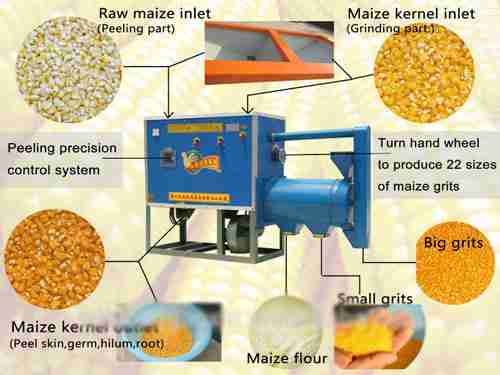
The journey of corn processing transcends traditional methods, venturing into advanced techniques that enhance both productivity and product quality. One such technique is wet milling, where corn kernels are soaked in warm water, allowing for the separation of starches, protein, and fiber. This method not only boosts the yield of valuable by-products such as corn syrup and corn oil but also ensures a finer texture and better flavor in the final products. Additionally, dry milling remains prevalent, utilizing the mechanical grinding of whole kernels into various particle sizes, ideal for baking and cooking applications. Innovations in both wet and dry milling keep pushing the boundaries, allowing for the use of enzyme treatments and fermentation processes that elevate the nutritional value of the outputs.
Further enhancing corn processing, technologies like extrusion cooking and flaking have found their place in modern milling operations. Extrusion cooking involves subjecting corn to high temperature and pressure, resulting in a rapid cooking process that creates expanded snacks and cereals packed with flavor and texture. Meanwhile, flaking transforms whole corn kernels into thin flakes, which can be utilized in breakfast cereals and various snacks. To visualize the primary differences between these techniques, consider the following table:
| Technique | Process | Products |
|---|---|---|
| Wet Milling | Soaking and separation | Corn syrup, corn oil |
| Dry Milling | Mechanical grinding | Flour, grits |
| Extrusion Cooking | High temperature and pressure | Expanded snacks, breakfast cereals |
| Flaking | Flattening whole kernels | Flaked cereals, snacks |
As the corn processing landscape continues to evolve, these advanced techniques not only cater to consumer demands for variety and health but also contribute to sustainable practices by maximizing the use of every kernel. This ongoing innovation reinforces corn’s position as a vital ingredient in countless culinary creations.
Recognizing the Nutritional Value and Versatility of Corn Products
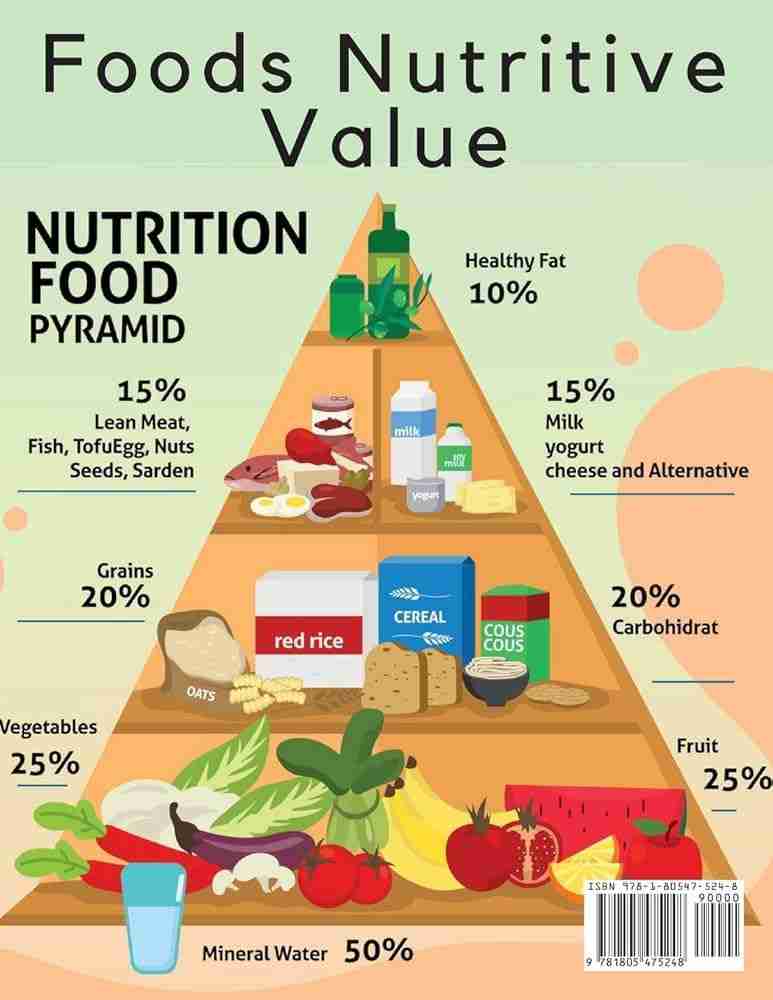
Corn, often referred to as the “golden crop,” carries a significant nutritional profile that makes it a staple in diets around the world. Rich in carbohydrates, corn provides a quick source of energy, while also being a good source of fiber. This dietary fiber aids in digestion and contributes to heart health. Beyond its energetic properties, corn products are also packed with essential vitamins and minerals, including B vitamins (such as folate), vitamin C, and magnesium. These nutrients are crucial for maintaining optimal bodily functions, from supporting metabolism to bolstering the immune system.
The versatility of corn comes to life in its many forms, transforming from simple kernels to a myriad of food products. Here are some popular corn-based items:
- Cornmeal: Ideal for baking cornbread or thickening soups.
- Polenta: A comforting dish that can serve as a base for various toppings.
- Popcorn: A low-calorie snack that is perfect for movie nights.
- Corn syrup: A common sweetener in numerous processed foods.
Moreover, to understand more about the goodness of corn, here’s a simplified breakdown of its key nutrients:
| Nutrient | Benefits |
|---|---|
| Fiber | Supports digestion and cardiovascular health. |
| Vitamin B6 | Important for brain health and metabolism. |
| Magnesium | Crucial for muscle and nerve function. |

Promoting Sustainable Consumption: Recommendations for Consumers and Producers
In our daily choices, we hold the power to influence the way food is produced and consumed. Awareness is key; therefore, consumers should seek out locally sourced products and prioritize those that are in season. By choosing to buy from local farmers’ markets or participating in community-supported agriculture, consumers not only reduce carbon footprints but also support their local economies. Here are some simple ways to engage in sustainable consumption:
- Opt for organic options: These products are grown without harmful pesticides and fertilizers.
- Minimize food waste: Plan meals and store leftovers creatively.
- Support ethical brands: Choose companies committed to sustainable practices.
Producers also play a crucial role in fostering a sustainable environment. By adopting eco-friendly practices, they can significantly reduce environmental impacts while meeting consumer demands. Here’s how producers can contribute:
- Implement regenerative agriculture: Practices like crop rotation and agroforestry enhance soil health.
- Reduce packaging waste: Innovate in packaging solutions that are biodegradable or reusable.
- Educate consumers: Provide transparency about sourcing and production methods to inform buying decisions.
| Focus Area | Consumer Actions | Producer Actions |
|---|---|---|
| Local Sourcing | Shop at local markets | Partner with local farms |
| Food Waste | Plan and prepare meals | Offer bulk purchasing options |
| Sustainable Practices | Choose certified products | Adopt sustainable certifications |
Insights and Conclusions
As we draw the curtain on the fascinating journey of corn from field to fork, it’s clear that this humble grain plays a far more intricate role in our lives than its appearance may suggest. From the sun-kissed fields of golden maize to the myriad products gracing our grocery shelves, corn processing unfolds a dynamic tale of innovation and tradition. Each step in this journey showcases the artistry of farmers, the science of food technology, and the ingenuity of the culinary world.
Whether it’s the crunchy snack that satisfies our late-night cravings or the ingredients that form the backbone of countless recipes, corn’s versatility is nothing short of remarkable. As consumers, we have the power to appreciate and understand the complex processes involved in bringing corn to our tables.
In celebrating this grain, let us also acknowledge the hands that cultivate it, the minds that refine it, and the communities that thrive on its bounty. The next time you enjoy a dish featuring corn, take a moment to reflect on its journey—a testament to nature’s bounty and human ingenuity intertwined. The journey of corn is not merely about nutrition; it’s about connection, craftsmanship, and the agricultural legacy that continues to sustain us.




