
From Field to Fork: The Journey of Corn Processing
In the vast tapestry of American agriculture, few crops hold a place of prominence quite like corn. This golden grain, with its swaying stalks reaching toward the sun, is not merely a staple food; it is a cornerstone of our culinary traditions, industrial practices, and ecological cycles. But have you ever paused to consider the journey that corn undertakes before it graces your dinner table? From the sun-drenched fields where it is lovingly cultivated to the complex processing facilities that transform it into versatile products, the story of corn is one of innovation and tradition interwoven in a delicate balance. In this article, we will explore the intricate pathway of corn processing, illuminating the steps that convert a simple seed into a myriad of items that enrich our diets—be it cornmeal for cornbread, sweeteners for our favorite treats, or biofuels for our vehicles. Join us as we embark on this enlightening journey, celebrating the evolution of a humble crop into a fundamental part of our everyday lives.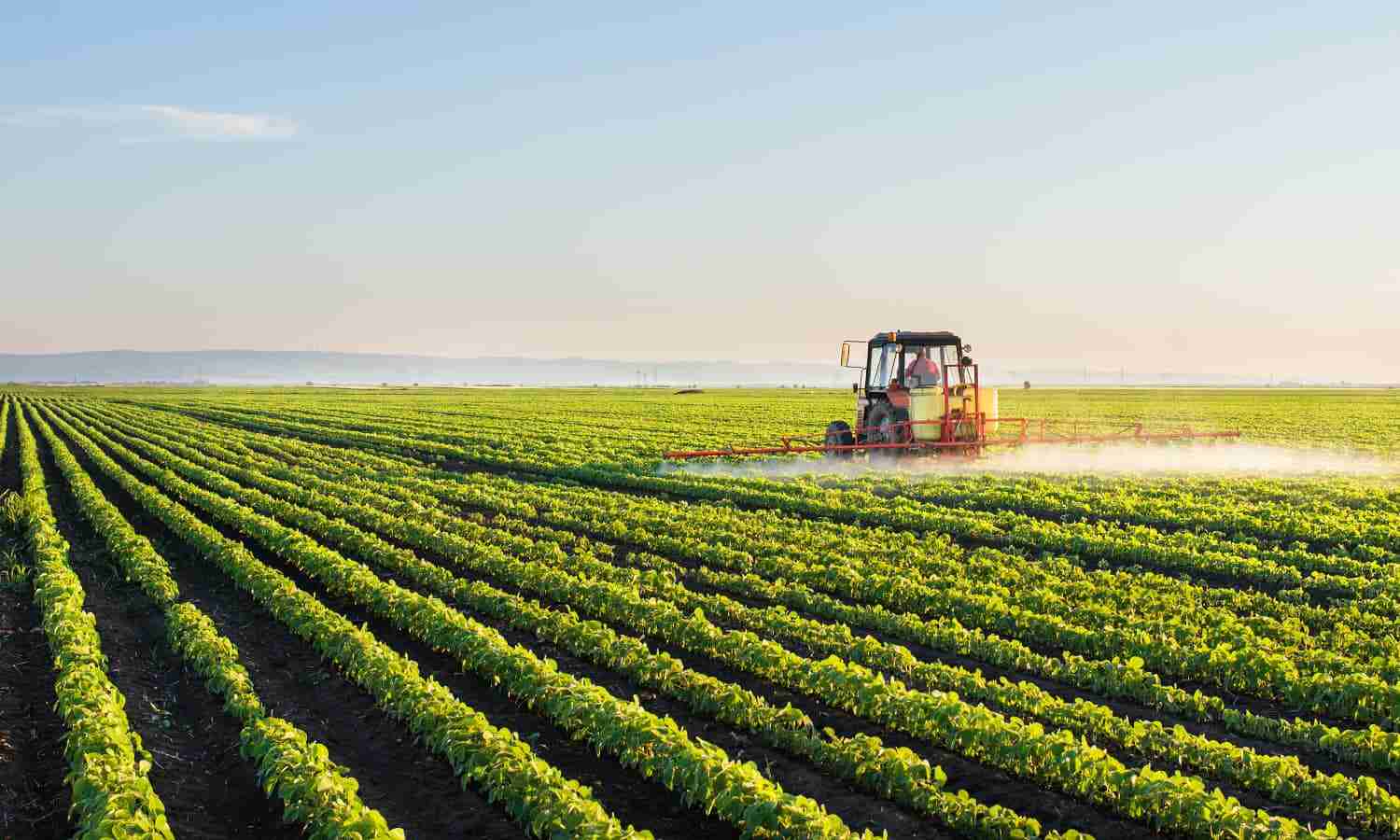
The Agricultural Roots of Corn: Cultivation Practices and Sustainable Farming
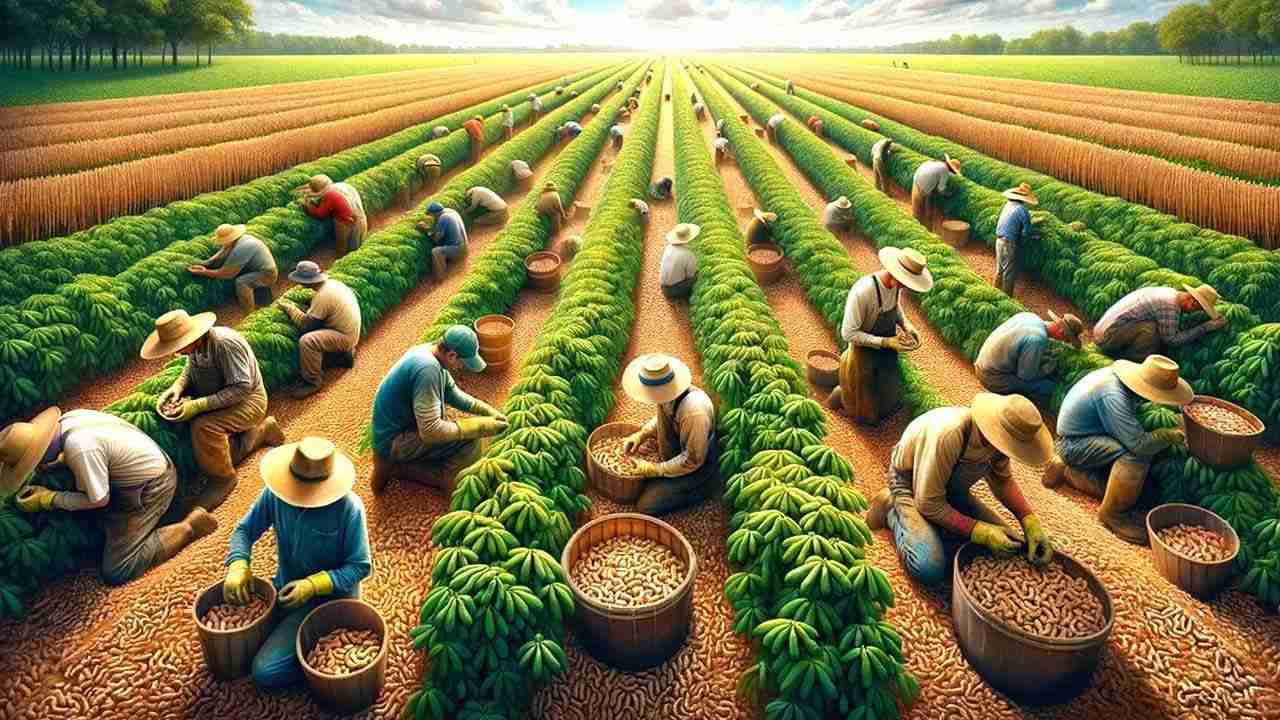
The journey of corn begins long before it reaches our plates, rooted in ancient agricultural practices that shape its cultivation. Traditional methods emphasize the importance of crop rotation and intercropping, which enhance soil health and biodiversity. Farmers often create a harmonious ecosystem by planting corn alongside legumes, which fix nitrogen in the soil, ultimately leading to richer yields. Furthermore, integrated pest management plays a crucial role in reducing the need for chemical pesticides. This not only protects the environment but also ensures that the corn grown is free from harmful residues.
Sustainable farming techniques have gained traction, impacting how corn is harvested and processed. Practices such as no-till farming minimize soil disturbance and erosion, allowing the earth to retain its nutrients. An increasing focus on organic farming signifies a shift towards more environmentally friendly methods, enabling consumers to enjoy clean, chemical-free corn. To illustrate these evolving practices, consider the following table showcasing some sustainable methods and their benefits:
| Sustainable Practice | Benefit |
|---|---|
| Cover Cropping | Prevents erosion and improves soil structure |
| Organic Fertilizers | Enhances soil fertility without chemical additives |
| Agroforestry | Increases biodiversity and carbon sequestration |
From Harvest to Processing: The Key Stages in Corn Transformation
The journey of corn from the field to its varied forms takes place through several essential stages that work in harmony. Once the golden ears of corn are harvested, meticulous attention is given to sorting and cleaning. During this stage, farmers and processors collaborate to remove debris and imperfect kernels, ensuring that only the highest quality corn makes it to the next phase. This not only enhances the quality of the end products but also adds value by reducing waste. The sorted corn is then dried to specific moisture levels, preserving it for longer storage while preventing spoilage. The drying process is crucial, as it prepares the corn for both storage and further processing, determining the quality of corn-based products in the end.
After the initial preparation, the transformation process leaps into gear with crushing and grinding. These steps break down the corn into more manageable sizes, allowing for a range of products from cornmeal to corn syrup. Several processing methods come into play during this time, with wet milling and dry milling being the most prevalent. Each method yields distinct byproducts, contributing to various sectors such as food production and biofuels. Below is a simple representation of the outcomes of these milling processes:
| Method | Byproducts |
|---|---|
| Wet Milling | Starch, Gluten, Corn Oil |
| Dry Milling | Cornmeal, Grits, Animal Feed |
As corn progresses through these stages, it leads to its transformation into various ingredients that penetrate our kitchens and plate. Whether enjoyed as a staple food, a sweetener, or an additive in countless products, the journey from field to fork showcases how versatile and integral corn is to our daily lives.

Nutritional Benefits of Processed Corn: Enhancing Dietary Choices
Processed corn has often been misunderstood, yet it can be a treasure trove of nutritional benefits that enhance our dietary choices. When corn is processed, crucial components such as fiber, protein, vitamins, and minerals are preserved and sometimes even enriched. Highlights of its nutritional profile include:
- Rich in Fiber: Corn products like popcorn and whole cornmeal provide dietary fiber, which aids in digestion and promotes feelings of fullness.
- Source of Antioxidants: Corn contains important antioxidants such as lutein and zeaxanthin, known to support eye health.
- Vitamins and Minerals: Processed corn is often fortified with essential nutrients, including B vitamins and magnesium.
- Versatile Carbohydrates: Corn offers a complex carbohydrate source that can provide sustained energy, making it a suitable choice for active lifestyles.
Furthermore, processed corn can be a valuable component in various dietary plans, catering to different nutritional needs. For example, its use in gluten-free products opens doors for those with gluten sensitivities. The table below summarizes the nutritional highlights of commonly consumed corn-based products:
| Product | Calories (per serving) | Key Nutrients |
|---|---|---|
| Popcorn | 31 | Fiber, Vitamin B6, Magnesium |
| Cornmeal | 110 | Carbohydrates, Selenium, Thiamine |
| Corn Tortilla | 50 | Folate, Fiber, Iron |
| Canned Corn | 90 | Vitamin C, Potassium, Fiber |
Innovative Uses of Corn: Exploring Creative Applications in Modern Cuisine
Corn, a staple crop with roots deep in various culinary traditions, has seen a remarkable transformation in its application, extending well beyond the classic cornbread and popcorn. Modern chefs are harnessing the versatile nature of this grain to create innovative and unexpected dishes that push the boundaries of traditional cuisine. For instance, corn husks are now being utilized to infuse flavors into broths and sauces, adding a subtle sweetness that enhances the overall dish. Additionally, corn flour has emerged as a gluten-free alternative in baking, allowing those with dietary restrictions to indulge in baked goods without compromising on texture or flavor.
The creativity doesn’t stop there; corn is also making waves in the realm of beverages. Corn syrup is being creatively incorporated into craft cocktails, offering unique taste profiles that surprise and delight patrons. The rise of corn-based spirits, such as vodka and whiskey, reflects an increasing appreciation for corn’s capacity to contribute distinct flavors to the liquor landscape. Furthermore, chefs are experimenting with corn cobs, smoking meats and vegetables to achieve a smoky, sweet flavor that tantalizes the taste buds. Below, a table highlights some of these groundbreaking uses of corn that are transforming modern cuisine:
| Application | Description |
|---|---|
| Corn Husk Infusion | Enhancing broths and sauces with sweet, fragrant notes. |
| Gluten-Free Baking | Replacing traditional flours with corn flour for light, airy baked goods. |
| Corn-Based Spirits | Craft cocktails featuring unique flavors from corn-derived liquors. |
| Smoked Corn Cobs | Imparting a sweet, smoky flavor to meats and vegetables. |
Future Outlook
the journey of corn from field to fork is a remarkable testament to the intricate dance between nature, technology, and human ingenuity. Each kernel carries with it the rich heritage of agricultural practices, the meticulous efforts of farmers, and the innovations of processors who transform this staple into a myriad of products we often take for granted. Understanding this journey not only enhances our appreciation for the food we consume but also spots a light on the sustainability and ethical considerations that accompany food production in the modern age. Whether enjoyed as fresh corn on the cob, sweet corn syrup, or as a prominent ingredient in countless recipes, corn continues to wield a profound influence on our culinary landscape. So, the next time you savor a dish that features this versatile grain, remember the hands that toiled in the fields and the journey it undertook to arrive at your table—an enduring connection between earth and appetite.




