
In the heart of the countryside, where golden fields sway gently in the breeze, a humble yet transformative journey begins—one that takes us from the vibrant ears of corn to the finely milled flour that enriches our daily lives. “From Field to Flour: The Art of Corn Processing Unveiled” invites you to explore the intricate and often overlooked process that breathes life into this staple grain. As we navigate the stages of corn processing, we will uncover not only the craftsmanship involved but also the deep-rooted traditions and innovations that continue to shape this age-old practice. Join us as we delve into the unique symbiosis between nature and industry, revealing the remarkable journey of corn from the stalk to your kitchen counter.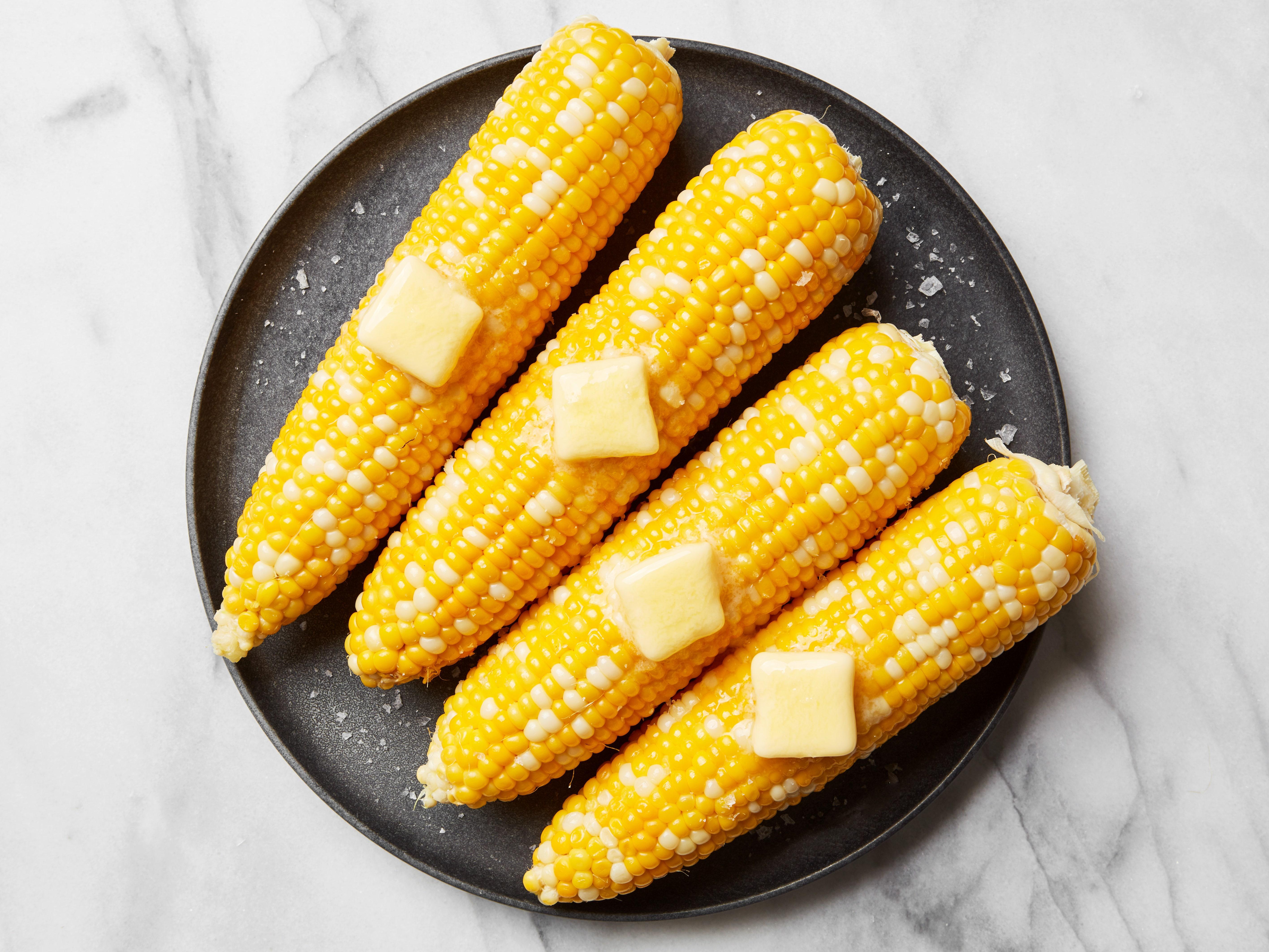
The Journey of Corn: Understanding Cultivation and Harvest Techniques
Cultivating corn is an intricate dance between nature and human ingenuity, where seeds are planted with hope, and the Earth responds with bountiful rewards. Farmers initiate this process by selecting the right variety of corn suited for their climate and soil type. Preparation begins with tilling the soil, which aerates the ground and readies it for the nurturing touch of water and nutrients. As the seedlings emerge, they require careful attention, including irrigation, fertilization, and protection from pests. Crop rotation and sustainable practices play an essential role in ensuring the soil remains fertile, allowing for successive seasons of quality yields. Successful corn farming is a seasonal rhythm, with farmers monitoring growth stages and adjusting their techniques as needed to respond to nature’s unpredictable temperament.
Once harvest time arrives, the excitement reaches its peak. The mature corn is collected using specialized equipment that minimizes grain loss and damage. The process then transitions to the art of processing, which involves several key steps to transform the raw grain into edible products. This journey includes:
- Drying: Ensures that the moisture content is at optimal levels for storage.
- Shelling: Separates the kernels from the cob.
- Cleaning: Removes debris and impurities.
- Milling: Grinds the corn into flour or meal for culinary use.
Each stage is crucial not only for the quality of the final product but also for maximizing the corn’s flavor and nutritional content. The nuanced methods employed in corn processing celebrate the versatile grain, paving the way for an array of meals enjoyed around the world.

Unlocking the Science: The Milling Process Transformed
The transformation of corn into flour is a riveting journey that intertwines artistry and precision. As the seeds are sown and nurtured under the sun, the grains eventually embark on their metamorphosis. This journey doesn’t merely end at the harvest; rather, it continues through a meticulous milling process that combines both ancient techniques and modern innovations. Today, the milling process employs cutting-edge technology like roller mills and air classifiers to enhance the efficiency and quality of the flour produced. The transformation involves several stages, each critical in ensuring that the final product meets both taste and nutritional standards.
Key steps in the corn milling process include:
- Cleaning: Removing impurities and foreign materials.
- Wet Milling: Soaking grains to separate components like starch and fiber.
- Grinding: Converting maize into fine flour through mechanical means.
- Sieving: Classifying the flour based on desired grain size.
- Packaging: Preserving freshness while ensuring ease of transport.
| Stage | Purpose |
|---|---|
| Cleaning | Remove dirt and contaminants |
| Wet Milling | Separate starch, protein, and fiber |
| Grinding | Convert into flour |
| Sieving | Achieve desired consistency |
| Packaging | Ensure product longevity |
Throughout this fascinating process, each step plays a pivotal role not only in preserving the integrity of the corn but also in enhancing its flavors and health benefits. The reliance on technology has undoubtedly simplified many stages, but the art of corn processing remains a craft that pays homage to traditional methods. With a careful balance of science and creativity, the journey transforms humble corn into a versatile ingredient that touches countless plates, proving that the heart of culinary excellence starts long before it reaches the kitchen.
Nutritional Benefits: Embracing Whole Grain and Beyond
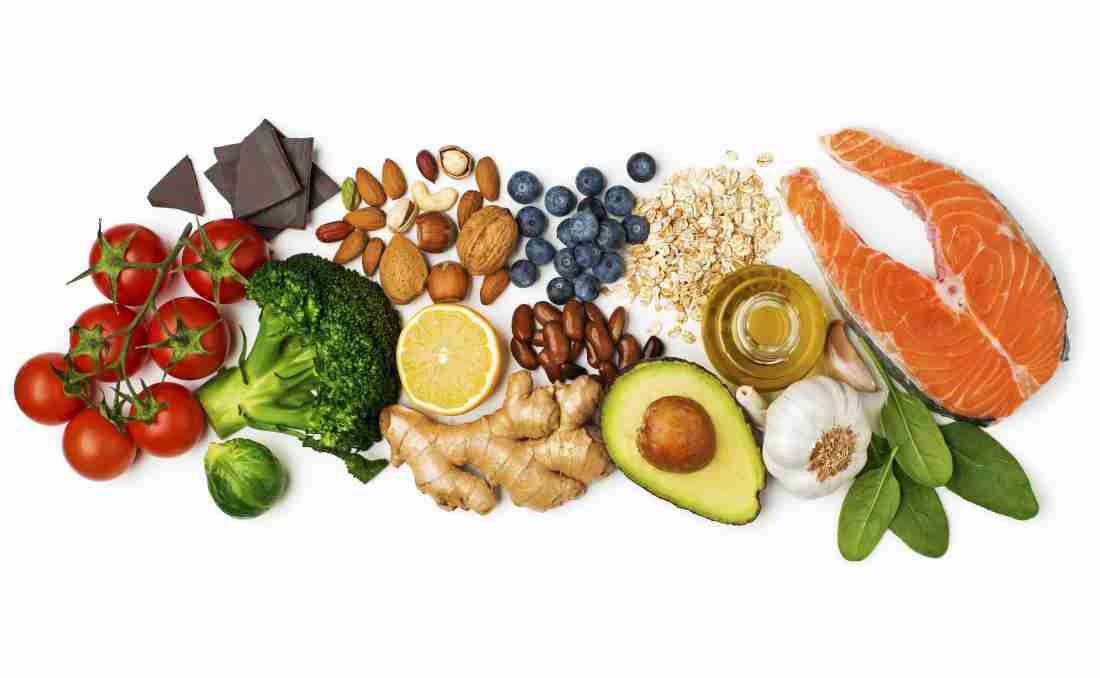
The journey from cornfield to kitchen showcases not just the culinary versatility of corn but also its nutritional richness. Whole grains, particularly when sourced from corn, are prized for their ability to deliver a bounty of essential nutrients. Unlike processed grains, whole grains retain most of their natural nutrients, making them a powerhouse for health. Some key benefits include:
- High Fiber Content: Aiding digestion and promoting gut health.
- Vitamins and Minerals: Corn is a good source of B vitamins, iron, and magnesium, which are crucial for energy production and metabolic processes.
- Antioxidant Properties: Rich in carotenoids and phenolic compounds, whole corn helps in combating oxidative stress and inflammation.
Furthermore, indulging in whole grain corn products can have lasting impacts on health. Incorporating these foods into your diet not only supports satiety but also plays a vital role in weight management. For example, cornmeal and polenta can serve as nutritious bases in meals, offering a unique taste while catering to dietary needs. Here’s a brief comparison of corn products:
| Product | Type | Nutritional Highlights |
|---|---|---|
| Whole Cornmeal | Flour | High in fiber, iron and B vitamins |
| Polenta | Cooked | Gluten-free, rich in carbohydrates |
| Corn Tortillas | Flatbread | Low in fat, high in fiber |
Innovating with Corn Flour: Creative Culinary Applications to Explore
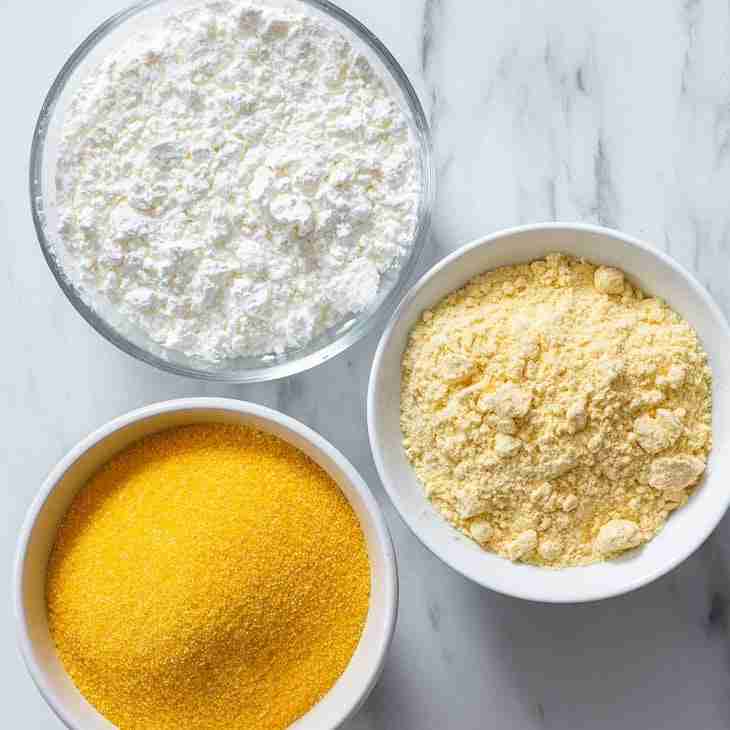
Unleashing the potential of corn flour in the kitchen opens a world of imaginative culinary adventures. From savory to sweet, the versatility of this ingredient can transform traditional recipes into innovative dishes that delight the senses. Explore the realm of tortillas, where the fine texture of corn flour brings a unique flavor and texture that’s perfect for tacos, enchiladas, or quesadillas. Consider crafting corn flour pancakes, a gluten-free alternative that offers a delightful, slightly sweet taste, perfect for breakfast or brunch. Experimenting with corn flour bread can also yield a delightful loaf that’s perfect for pairing with soup or serving as a base for sandwiches.
Moreover, corn flour can enhance the quality of your baking through its natural sweetness and moisture retention. Engage in the creation of corn flour cakes that are moist and rich, or incorporate it into other baked goods like cookies for a twist on classic flavors. You can also thicken sauces and soups with corn flour, creating a smooth, velvety consistency without the need for gluten. Below is a table showcasing additional creative applications for corn flour:
| Dish | Application |
|---|---|
| Polenta | Cooked corn flour for creamy texture. |
| Corn Flour Ravioli | Pasta made with corn flour for a gluten-free twist. |
| Fried Items | Use as a coating for crispy textures. |
| Corn Flour Beer | Add for a unique flavor profile. |
In Summary
As we journey through the vibrant narrative of corn processing, it becomes evident that this humble crop is more than just a staple of our diets; it is a canvas painted with the rich hues of tradition, innovation, and sustainability. From the golden fields swaying under the sun to the fine, versatile flour that fills our kitchens, each step in the processing of corn plays a vital role in a larger story — one that connects growers, millers, and consumers in an intricate web of shared purpose.
The art of corn processing is a testament to human ingenuity, showcasing how a simple grain can transform through careful cultivation and meticulous craftsmanship into something essential for nourishment and creativity. As we embrace the complexities of this journey, let us celebrate not only the final product but also the dedicated hands that work tirelessly to bring it to our tables.
In reflecting on this process, we are reminded that behind every loaf of cornbread and every batch of tortillas lies a world of tradition and innovation worth honoring. As we savor the outcomes of this age-old practice, may we continue to appreciate the journey from field to flour, ensuring that the story of corn remains not only a chapter in our culinary heritage but a bridge to a sustainable and flavorful future.




