
In the heart of the American landscape, a golden wave sways gently in the breeze: cornfields stretching as far as the eye can see. This ubiquitous crop, a symbol of agricultural abundance, plays a vital role far beyond its role as a staple food source. The journey of corn, from the sun-drenched fields to the bustling processing plants, is a fascinating tale of transformation—one that involves science, innovation, and time-honored traditions. In this article, we will take you on a journey through the intricate processes that turn fresh corn into a myriad of products found on grocery store shelves, exploring each stage of its journey from field to finish. From harvesting techniques to processing technologies, join us as we illuminate the path that this remarkable grain travels, unveiling the complexities and significance hidden in every kernel.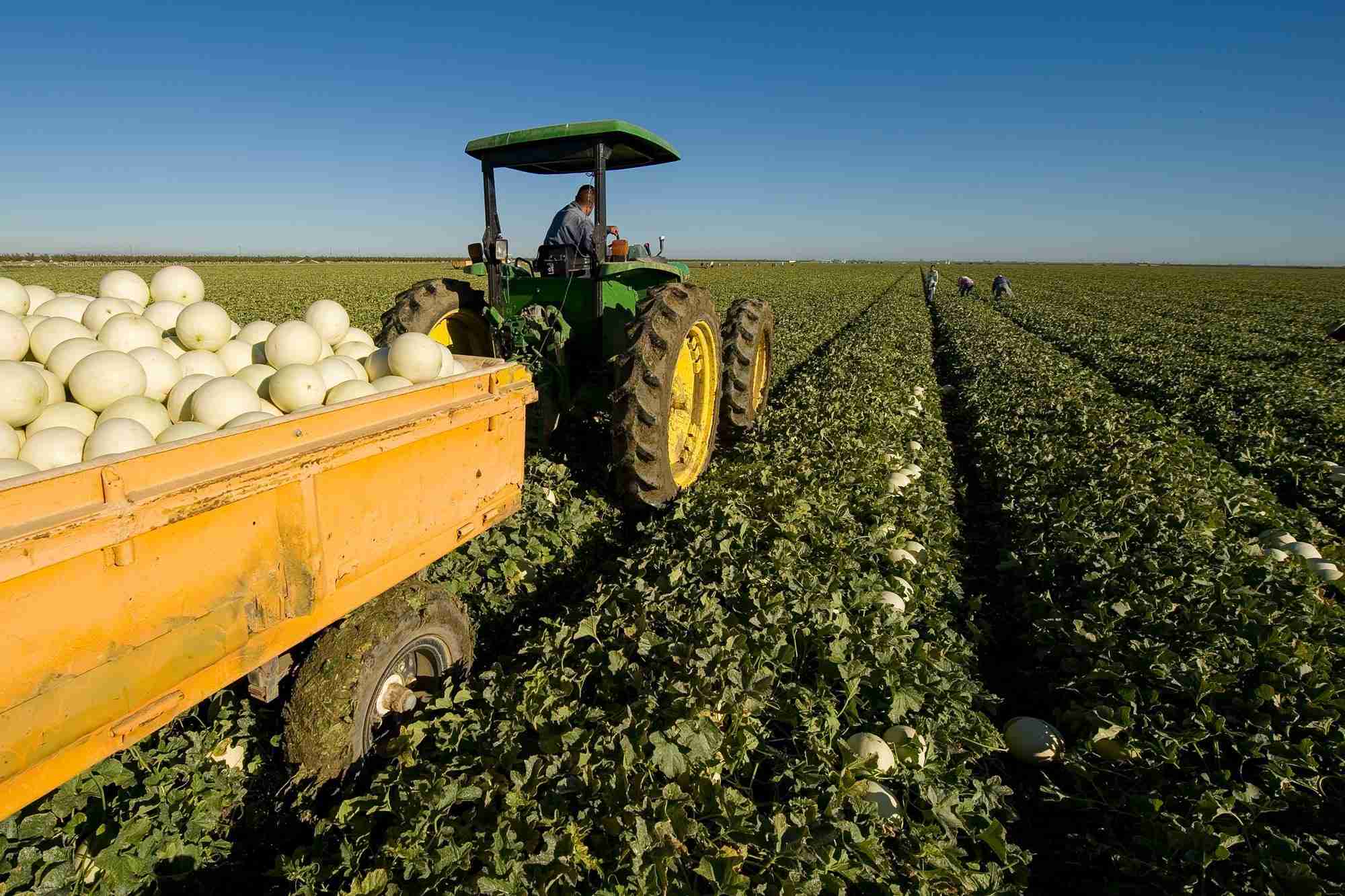
Understanding the Agricultural Backbone of Corn Production
Corn production serves as a vital component of the agricultural sector, underpinning both local economies and global markets. Farmers employ a variety of techniques to cultivate this versatile crop, with an emphasis on sustainable practices. The journey begins with careful planning and selection of the appropriate seeds, considering factors such as soil type and climate conditions. Key stages in the growth cycle include:
- Preparation of the Land: Ensuring the soil is fertile and free from pests.
- Sowing: Planting seeds at optimal intervals to allow for healthy growth.
- Irrigation: Managing water supply to enhance crop yield.
- Pest Control: Implementing integrated pest management strategies.
As the corn grows, farmers monitor the fields for health indicators, employing technology such as drones and sensors to assess conditions remotely. After harvesting, the journey continues, focusing on processing and distribution. This stage is critical, as it transforms the raw produce into various forms suitable for consumption and industrial use. Some of the major processing steps include:
| Processing Step | Description |
|---|---|
| Drying | Removes moisture to enhance shelf life. |
| Milling | Converts corn into flour or meal for food products. |
| Refining | Processes corn into sweeteners and oils. |
| Packaging | Prepares finished products for distribution and retail. |
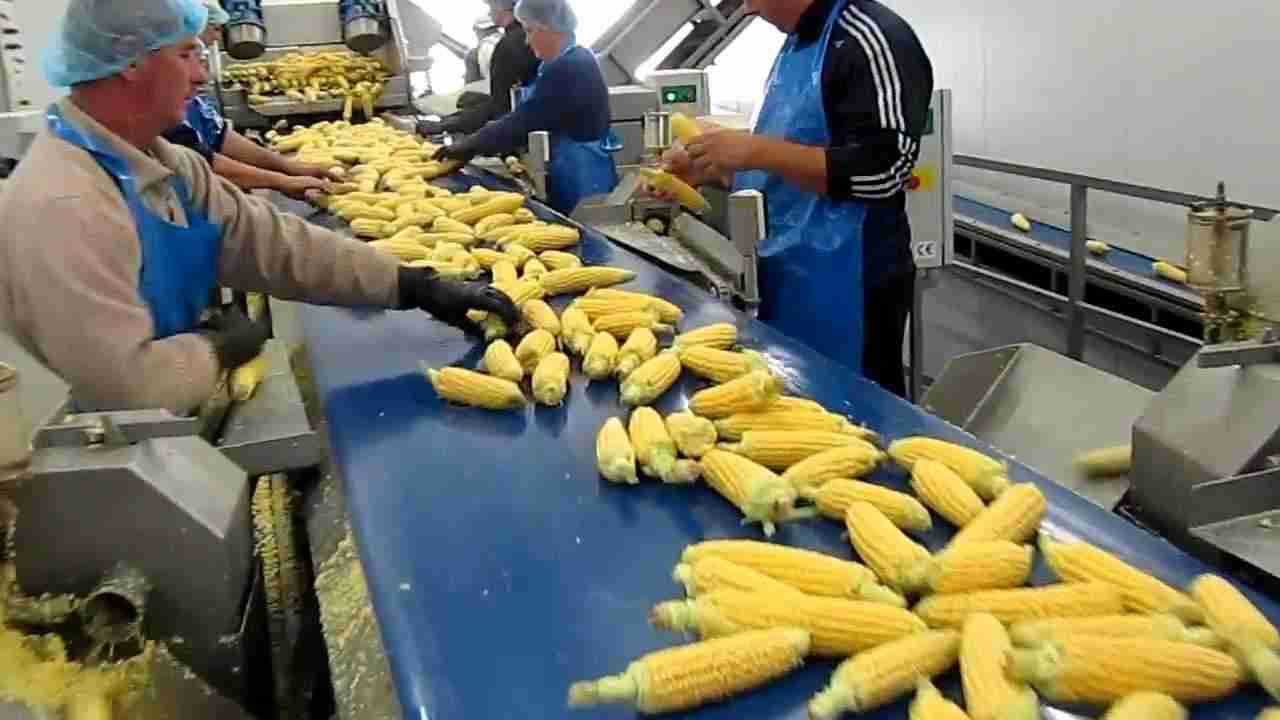
The Complex Steps of Corn Processing Unraveled
The journey of corn from the lush green fields to our tables is a fascinating process that combines nature, technology, and human ingenuity. First, the corn is harvested when it reaches its peak ripeness. This essential step is often done using specialized machinery that carefully separates the corn kernels from the husks while minimizing waste. Once harvested, the corn undergoes an initial cleaning process where dirt, leaves, and debris are removed, ensuring that only the highest quality produce is selected for further processing. The next crucial steps involve drying the corn to reduce moisture content, which is vital for enhancing shelf life and preventing spoilage.
After drying, the corn enters a thorough milling process where it is ground into various forms according to its intended use. This can include creating cornmeal, corn flour, or grits, each with its own unique texture and application in cooking. Additionally, at this stage, the corn can be processed for the extraction of various by-products, such as corn syrup, starch, and even ethanol. The versatility of corn is showcased in multiple industries, from food production to biofuel. To illustrate the diverse uses of processed corn, here’s a simplified table highlighting its key derivatives:
| Product | Usage |
|---|---|
| Cornmeal | Baking and cooking (e.g., polenta) |
| Corn Syrup | Sweetener in various foods |
| Corn Starch | Thickening agent in sauces |
| Ethanol | Biofuel and gasoline additive |

Innovative Techniques Shaping the Future of Corn Utilization
As advancements in agricultural technology take root, they pave the way for innovative techniques that are revolutionizing how corn is processed. Precision agriculture, employing sensors and satellite imagery, allows farmers to optimize inputs like water and fertilizers, ensuring higher crop yields with minimal resource wastage. This data-driven approach not only enhances productivity but also contributes to sustainability. In processing, methods such as enzymatic treatment and dry milling have emerged, increasing efficiency and reducing energy consumption. These techniques enable the transformation of corn into a myriad of products, from biofuels to bioplastics, demonstrating the versatility of this staple crop.
Moreover, the integration of biotechnology into corn utilization is breaking barriers in food production and product innovation. Genetic modifications have led to corn varieties that are resistant to pests and diseases, further increasing yield and decreasing reliance on chemical pesticides. This is complemented by developments in green chemistry, where safe and sustainable practices are implemented to convert corn into food additives and other commodities. The potential applications are extensive and ever-expanding, including:
- Bio-based materials: Corn-derived polymers are gaining traction in various industries.
- Nutrition enhancements: Fortified corn products can address dietary deficiencies.
- Animal feed innovations: Creating more efficient feed that utilizes corn by-products.
| Technique | Benefit |
|---|---|
| Precision Agriculture | Enhanced yields and resource efficiency |
| Enzymatic Treatment | Improved processing efficiency |
| Biotechnology | Higher resistance to pests and diseases |

Sustainable Practices for a Responsible Corn Industry
In the journey from field to finish, the corn industry is embracing sustainable practices that prioritize environmental stewardship and community welfare. Crop rotation plays a significant role in maintaining soil health, helping to prevent nutrient depletion and reducing the need for chemical fertilizers. Furthermore, integrated pest management (IPM) strategies minimize the use of pesticides by utilizing natural predators and promoting biodiversity in farming systems. This holistic approach not only enhances the ecological balance but also ensures higher resilience against crop diseases.
Water conservation is another area where the corn industry is making strides. Advanced irrigation technologies, such as drip and precision irrigation, help to optimize water use, ensuring that crops receive the right amount at the right time. Additionally, employing cover crops during the off-season protects the soil from erosion while enhancing its fertility. Below is a table highlighting key sustainable practices and their benefits:
| Practice | Benefits |
|---|---|
| Crop Rotation | Enhances soil health, reduces pests |
| Integrated Pest Management | Minimizes pesticide use, promotes biodiversity |
| Precision Irrigation | Optimizes water use, reduces wastage |
| Cover Crops | Prevents erosion, enriches soil fertility |
Key Takeaways
As we wrap up our exploration of the journey of corn from field to finish, it’s clear that this seemingly humble grain plays a monumental role in our daily lives, weaving through the fabric of our food systems, industries, and economies. Each step in the processing journey – from harvesting and milling to transformation into a myriad of products – underscores the ingenuity and labor that sustains this essential crop. Understanding this journey not only deepens our appreciation for corn but also highlights the importance of responsible agricultural practices and innovation within the industry. As consumers, we hold the power to make informed choices, supporting sustainable practices that honor the hard work of those who cultivate this golden grain. So, the next time you enjoy a cornbread muffin or a bowl of popcorn, remember the journey it undertook to reach your table, and appreciate the intricate processes that turn nature’s bounty into the delights of our everyday lives.




