
From Field to Factory: The Journey of Corn Processing
In the heart of America’s vast and sun-kissed plains, a quiet revolution begins each season: the emergence of golden corn that sways gently in the breeze. This simple seed, once nurtured by farmers with care and dedication, embarks on an intricate journey that transforms it into a staple found in kitchens around the world. But what happens after the harvest? The journey of corn processing is a fascinating tale woven from the threads of agriculture, industry, and innovation. From the sun-drenched rows of fields to the bustling factories where it becomes a myriad of products, this article invites you to explore the myriad steps involved in corn processing—uncovering not just the science behind it, but also the artistry and tradition that shape this remarkable journey. Join us as we trace the path of corn from its humble beginnings to its pivotal role in our daily lives, revealing the complex interplay between nature and human ingenuity.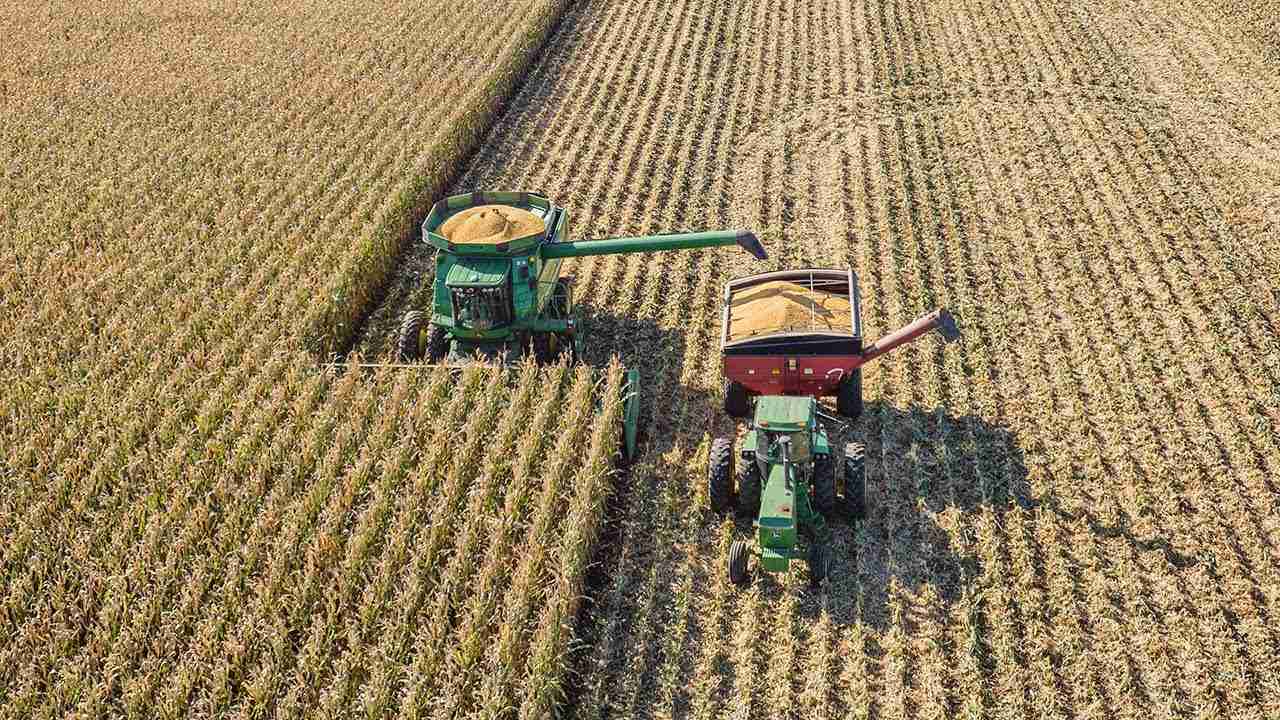
Exploring the Corn Harvest: Best Practices for Sustainable Farming
The corn harvest is a pivotal moment in the agricultural calendar, marking the culmination of months of diligent care and attention. To thrive in sustainable farming, it is crucial for farmers to adopt practices that not only enhance yield but also preserve the ecosystem. Crop rotation is one such technique, where alternating corn with other crops improves soil health and reduces pest infestations. Another key practice is the implementation of cover crops, which prevent soil erosion and enhance nutrient levels. Together, these methods create a resilient farming system that can withstand climatic fluctuations while maintaining productivity.
During the processing phase, it is essential to follow sustainable principles that emphasize efficiency and minimize waste. A systematic approach can be adopted, including:
- Water Conservation: Utilization of closed-loop water systems to reduce consumption.
- Renewable Energy: Harnessing solar or wind energy to power processing facilities.
- Waste Management: Composting or recycling byproducts, which can also serve as animal feed or fertilizer.
The table below illustrates the benefits of these sustainable practices:
| Practice | Benefit |
|---|---|
| Crop Rotation | Improves soil fertility and reduces pest pressure. |
| Cover Crops | Enhances soil structure and prevents erosion. |
| Water Conservation Techniques | Reduces water use and lowers operational costs. |
| Renewable Energy Usage | Minimizes carbon footprint and promotes energy independence. |
| Effective Waste Management | Reduces landfill impact and supports nutrient recycling. |
Unlocking the Secrets of Corn Processing: Techniques and Technologies
The journey of corn from field to factory involves a myriad of advanced techniques designed to maximize yield and efficiency. One of the first steps in corn processing is harvesting, where specialized machinery efficiently collects ripe corn from the fields. After harvesting, the corn undergoes drying and storage, which minimizes spoilage and prepares it for further processing. This step is crucial as moisture control helps preserve the grain’s quality until it’s ready for transformation.
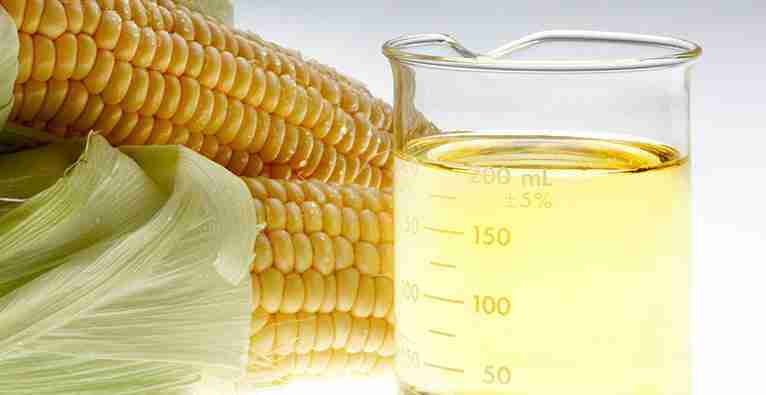
Once the corn reaches processing facilities, it’s subjected to several innovative techniques that enhance its value. Milling, a central aspect of corn processing, breaks down the whole kernels into meal or flour, with different milling methods yielding diverse textures. Advances in technology, such as infrared drying and extrusion, have revolutionized how we produce corn-based products, improving flavor while reducing processing times. The use of fermentation technology further expands the versatility of corn, leading to the creation of sweeteners, biofuels, and other derivatives. To illustrate the wide array of products derived from corn, here’s a simple breakdown:
| Product | Process |
|---|---|
| Cornmeal | Milling |
| Sweeteners (e.g., HFCS) | Fermentation |
| Biofuels (e.g., Ethanol) | Fermentation |
| Bioplastics | Extrusion |

From Cob to Cornstarch: Understanding the Product Transformation
The journey of corn from its natural state as a cob to the refined version known as cornstarch is a fascinating transformation that involves both agricultural ingenuity and industrial innovation. Harvested from vast fields, corn enters a processing phase where different methods are employed to extract its valuable components. Initially, fresh cobs are meticulously stripped of their kernels, which are then subjected to various physical and chemical treatments, enabling the separation of the starch from the protein and fiber. This process allows for the purification of corn’s starchy component, resulting in the versatile ingredient known as cornstarch.
Throughout this journey, several key processes illustrate the metamorphosis of corn:
- Hydrolysis: The starch granules are broken down into smaller molecules.
- Filtration: Impurities and non-starchy components are removed, enhancing purity.
- Evaporation: Water is removed to concentrate the starch, ensuring a dry and usable product.
- Drying: The concentrated starch is dried to achieve optimal texture and storage stability.
This meticulous process not only ensures that cornstarch maintains the properties that make it a staple in culinary and industrial applications but also underscores the transformative power of agricultural products in contributing to a variety of markets.

Maximizing Efficiency in Corn Processing: Recommendations for Industry Players
To enhance productivity and sustainability in corn processing, industry players should consider the integration of advanced technologies and streamlined processes. By adopting smart manufacturing techniques, businesses can significantly boost their operational efficiency. Implementing IoT (Internet of Things) sensors throughout the processing stages allows for real-time monitoring of equipment and product quality. This proactive approach not only reduces downtime but also optimizes energy usage and minimizes waste. Furthermore, investing in automated systems and robotics for sorting and packaging can lead to improved speed and precision, ultimately lowering labor costs and enhancing throughput.
Collaboration within the supply chain is another critical component that can facilitate maximum efficiency. Engaging in partnerships with local farmers and suppliers can ensure a steady supply of high-quality corn while reducing transportation costs. It is essential to establish transparent communication channels and data-sharing platforms that enable stakeholders to track material flow and predict supply chain disruptions. Additionally, embracing sustainable practices such as renewable energy sources and waste recycling programs will not only fulfill regulatory requirements but also attract environmentally conscious consumers. Investing in these areas promises long-term benefits for industry players and the broader community.
Insights and Conclusions
As we conclude our exploration of the intricate journey of corn—one of nature’s most versatile crops—it’s evident that the transformation from field to factory is a remarkable dance of nature and innovation. With every golden ear harvested, we don’t just gather a staple; we begin a process that connects the soil with our tables, and the hearts of farmers with industries around the globe.
Every kernel plays a significant role, weaving a tale of agriculture, science, and technology that fuels countless products and sustains economies. By understanding this journey, we gain a deeper appreciation for the food we consume and the systems that support our daily lives.
As we reflect on the path traveled by corn, let us embrace the knowledge that it embodies—a testament to sustainability, ingenuity, and the enduring relationship between humanity and the land. The next time you enjoy a bowl of popcorn, a slice of cornbread, or a sweet sip of corn syrup, remember that every bite carries with it the echoes of that laborious journey, a narrative written through time, care, and meticulous craftsmanship.




